
Forged Iron Helmet with Salamander or Lizard, Mantua, Guards Federico II Gonzaga, circa 1530


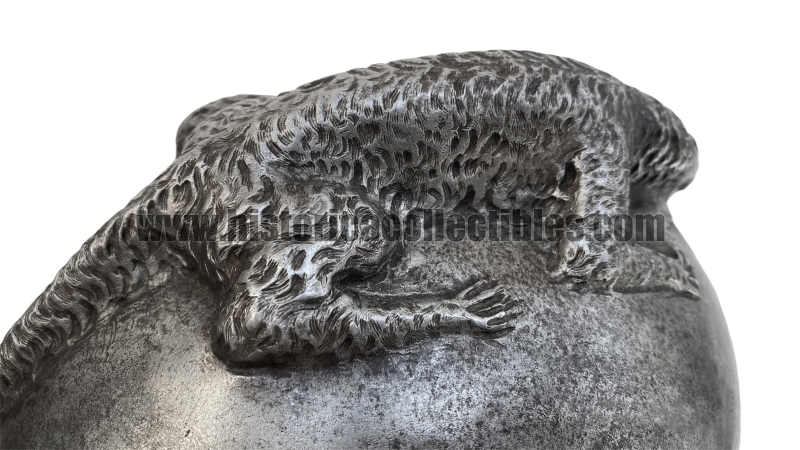
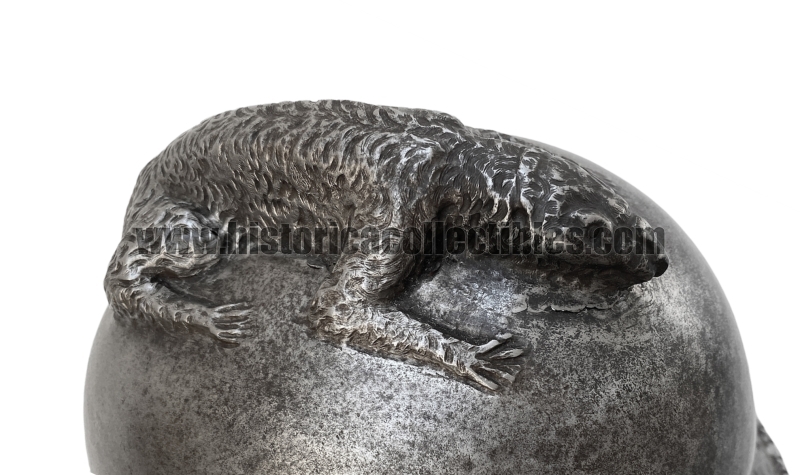
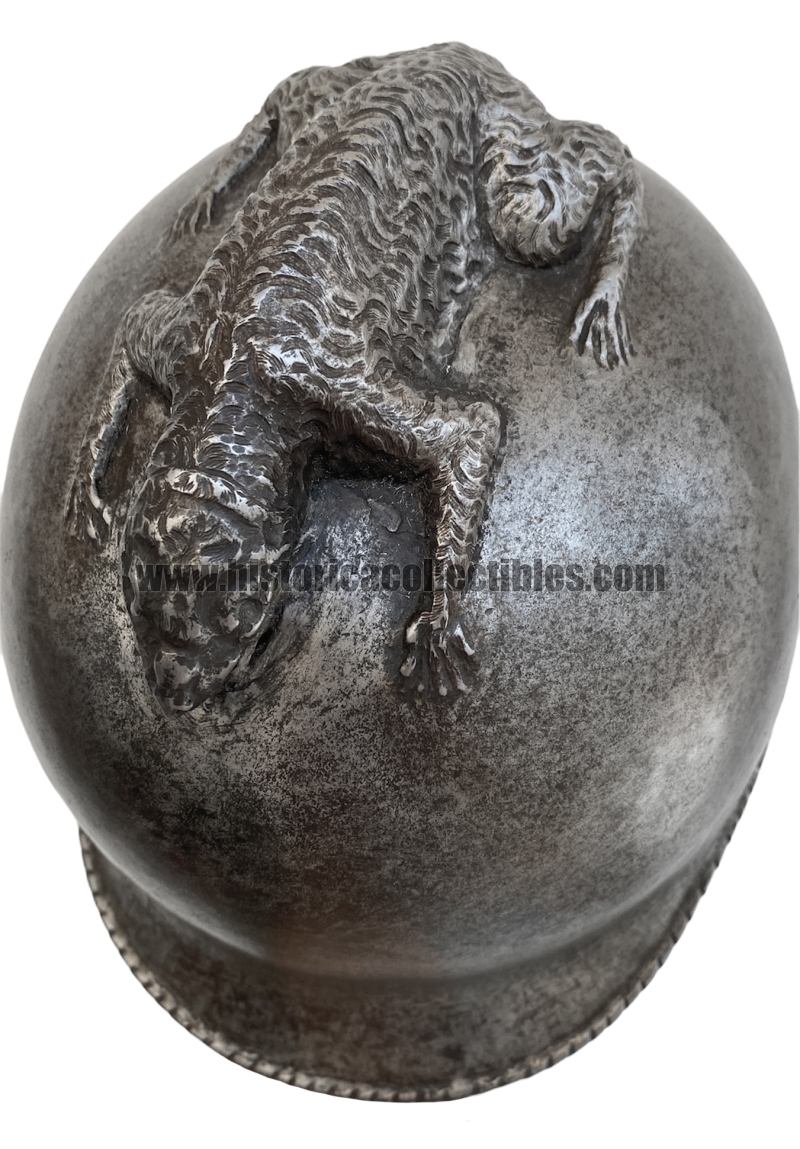




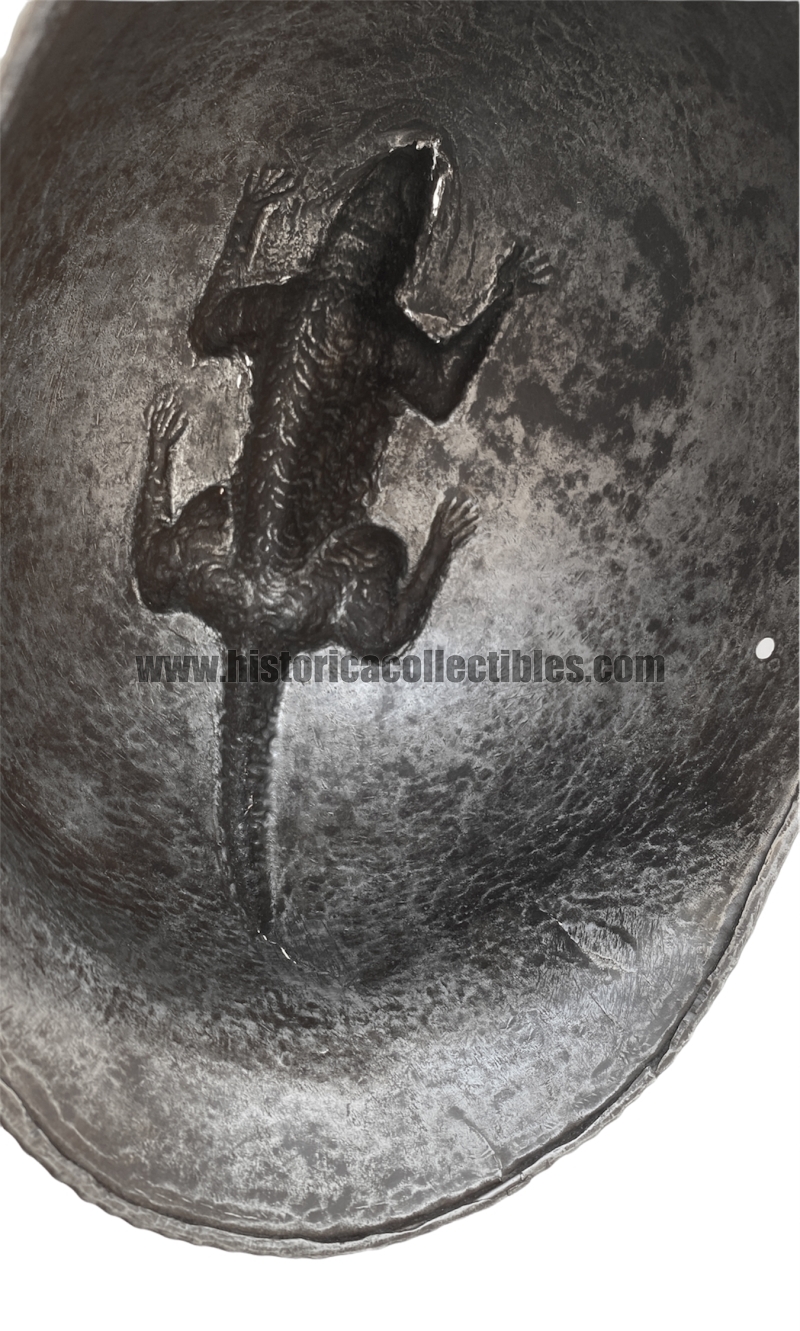
Helmet or "Caschetto" in Forged Iron, surmounted by the figure of a Saurus in high relief, probably a Lizard or Salamander, made from a single sheet of Forged Iron beaten by hand by a skilled Armorer (Milan or Brescia) between 1500 and 1540.
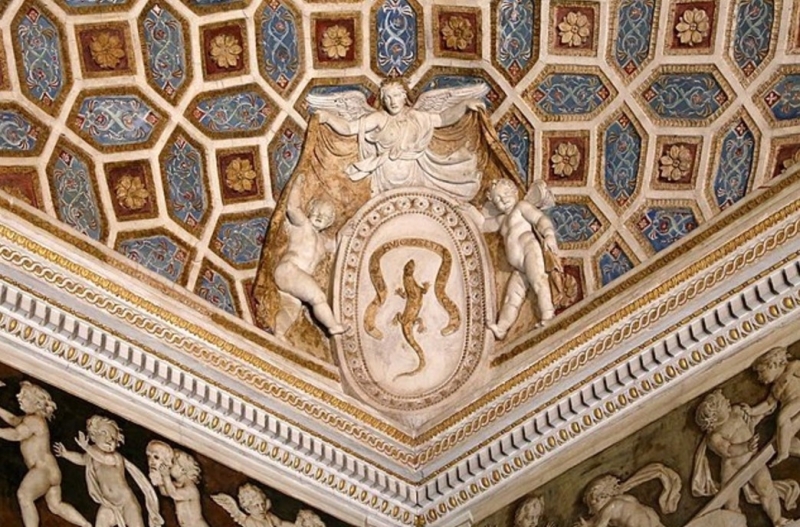
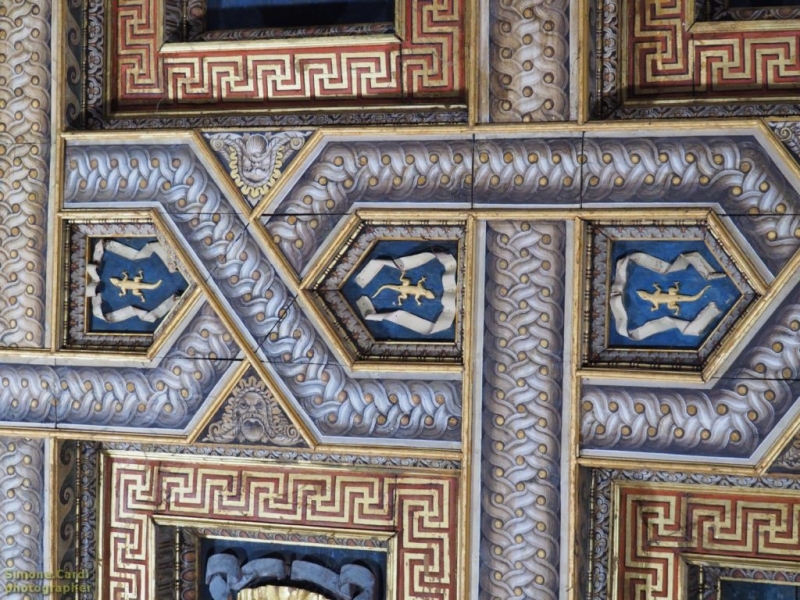
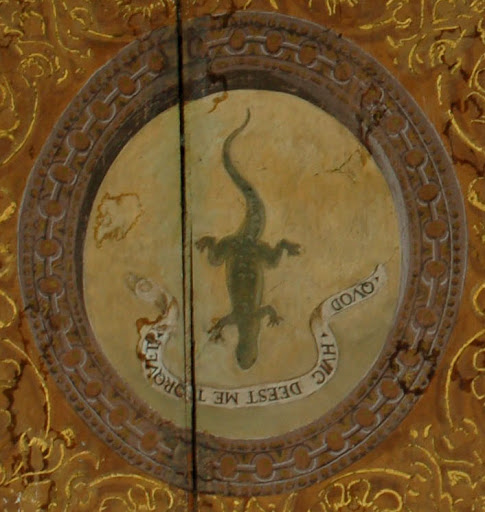
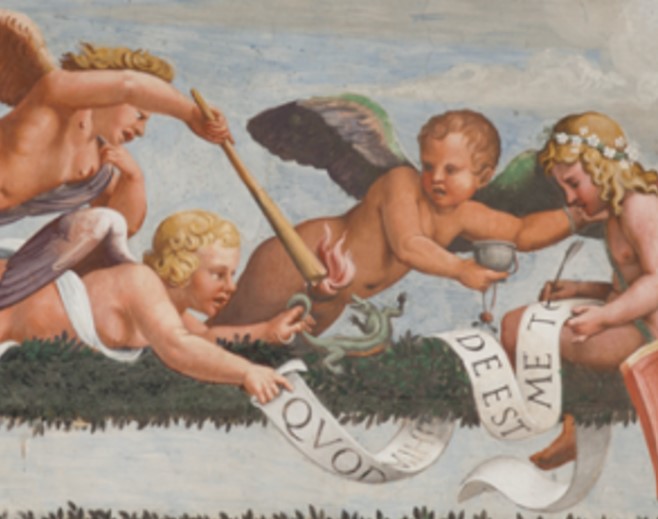
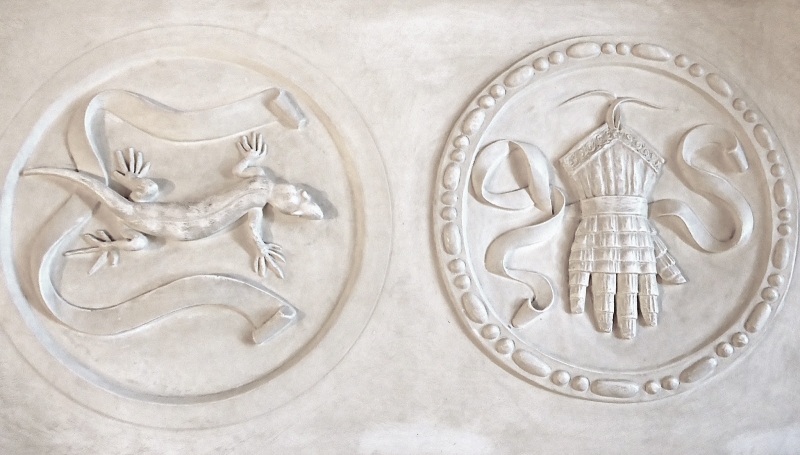
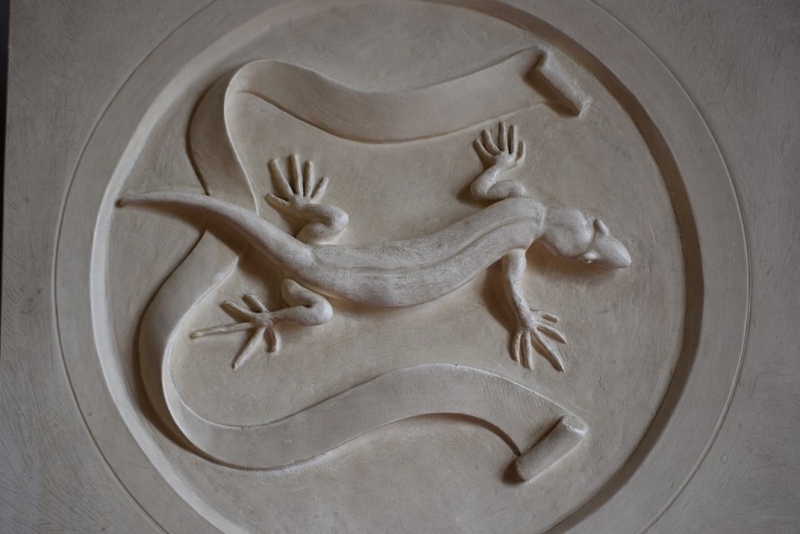
It is possible that this helmet was part of a set of defensive armor, probably made for a small group of personal guards, in the service of Federico II Gonzaga. The salamander or lizard in fact, in addition to being the personal symbol of Federico II Gonzaga, appears recurrently in the frescoes present in almost every room at Palazzo Te, his summer residence built by Giulio Romano just outside the walls of Mantua on the island of Tejeto. The most correct term to indicate these emblems associated with mottos that recur in the Renaissance is "imprese". The salamander's feat, along with the motto Quod huic deest me torquet, or "What she lacks torments me" alludes to an ancient belief that this animal has such a low body temperature that fire cannot harm it. The feat is associated with Federico II Gonzaga by contrast: while he burns and is tormented by the fire of love lit in him by Isabella Boschetti, the salamander is immune to these tortures.
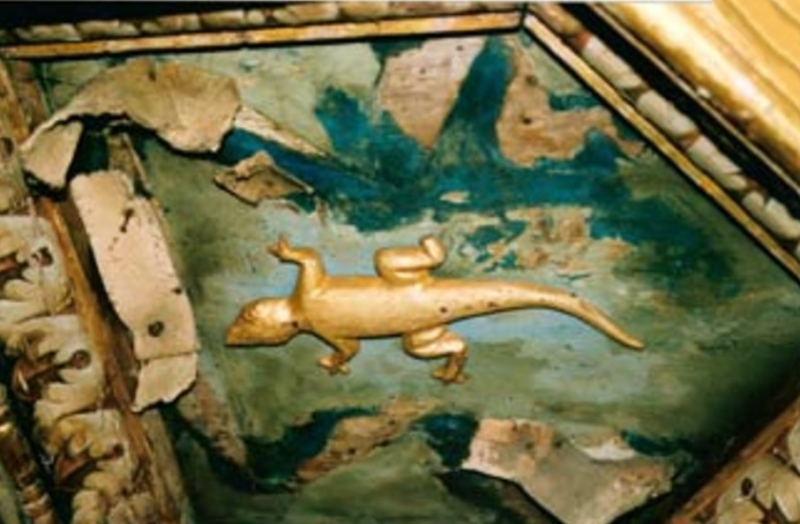
Also at Palazzo Te, salamanders or lizards emerge from the ceilings or descend from the chimneys and are found frescoed on the walls or on the floor. The same, are not always accompanied by the cartouche that reports the Latin motto "Quod huic deest me torquet".
This symbol is also associated with a theoretical precedent present in the writings of Leonardo da Vinci: “The lizard, faithful to man, seeing him asleep, fights with the snake, and if it sees that it cannot overcome it runs over the man's face and wakes him up so that the snake does not offend the sleeping man.” Therefore the lizard is a friend of man and has the function of defending him from the evil snake or of awakening him if the snake approaches. Leonardo's definition allows us to better understand the meaning of the lizard-green lizard both in Lorenzo Lotto's Portrait of a Gentleman and in Caravaggio's Boy Bitten by a Lizard.