Gothic iron ring forged by "Margràvio", city of Regensburg, 14th century
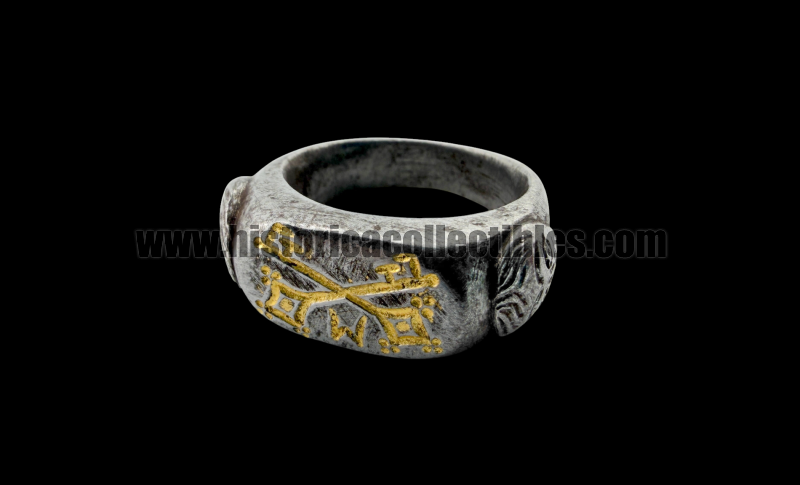
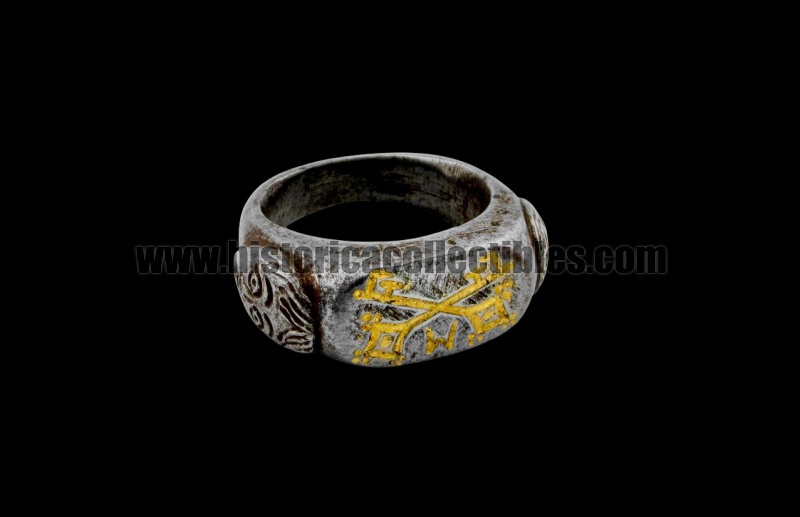
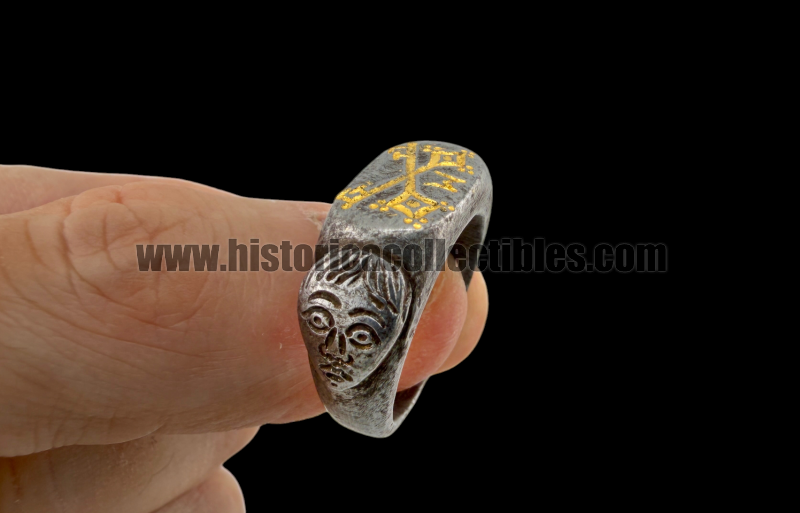
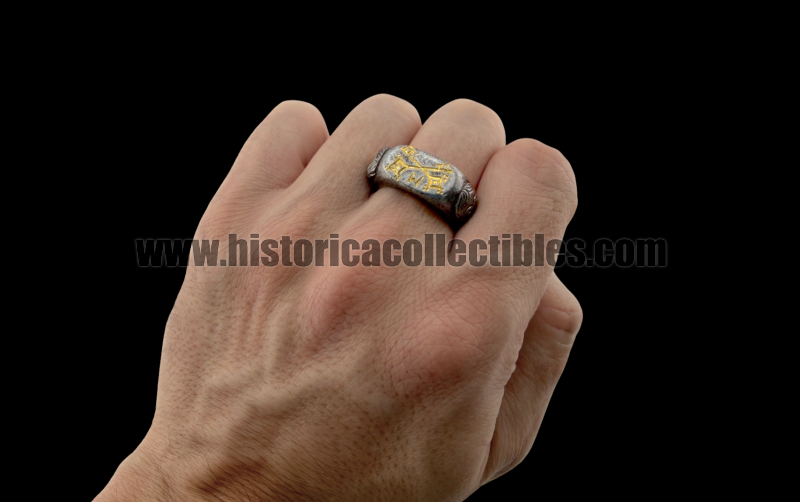
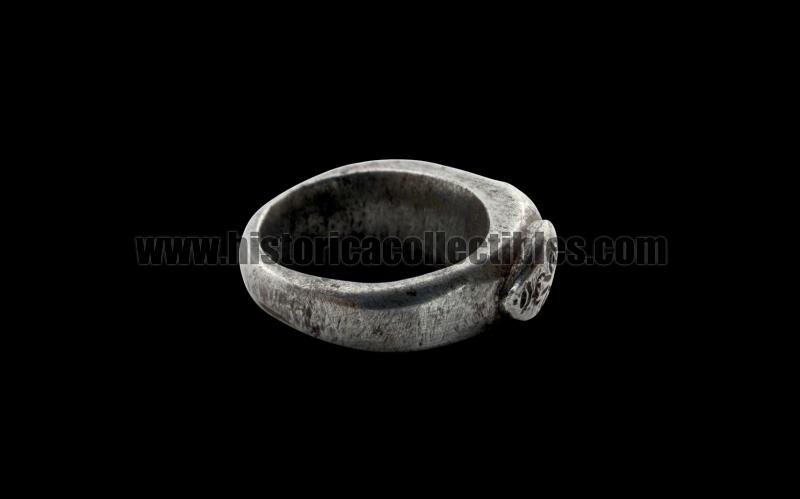
A single-piece forged iron ring, crafted using hot modeling and subsequent burin finishing, dating to the Gothic period (14th century). The meticulous sculptural detail, evident in the two faces carved in high relief on either side of the bezel, suggests it belonged to a high-ranking figure, likely an emissary, official, or representative of the city of Regensburg. The ring has a solid, annular body with a slightly oval cross-section, gradually thickening towards the top.
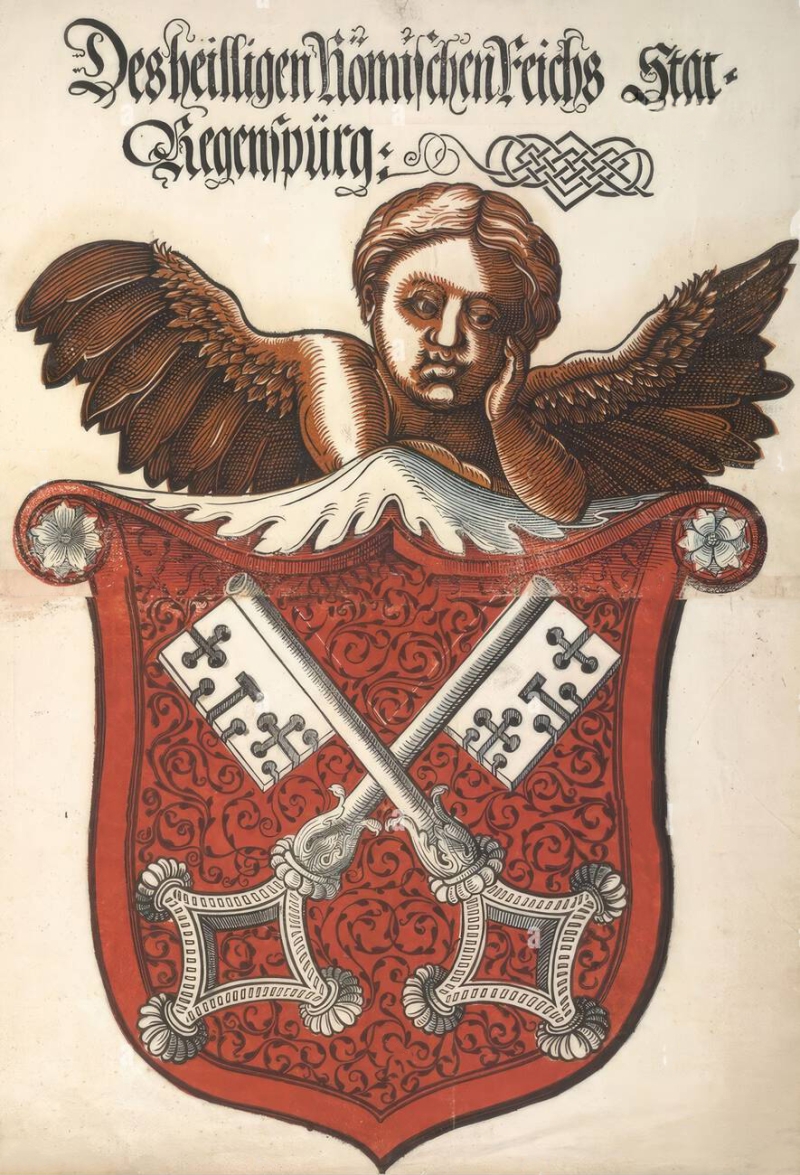
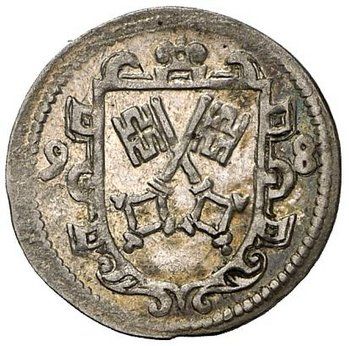
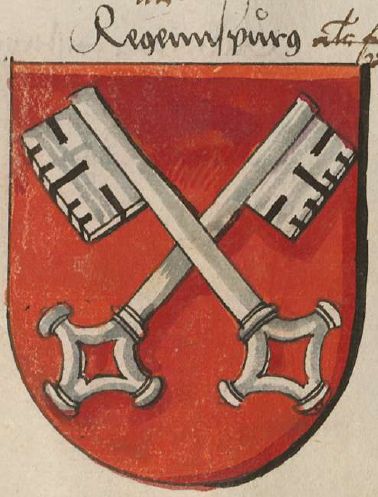
The setting, not set as a separate element but carved directly from the metal mass, features an iconographic field, engraved in low relief, consisting of two keys, attributable to the civic heraldry of the German city of Regensburg. Between the keys is the letter "M," which can be interpreted as an abbreviation for the title of Markgraf (Margrave), a noble dignity in the German feudal hierarchy with territorial governance functions and prerogatives almost autonomous from imperial authority.
The object can be placed, by typology and symbolism, within the administrative boundaries of the Nordgau March (Markgrafschaft Nordgau), a territorial entity located on the northern border of the Duchy of Bavaria. This district included the areas north of the Danube and Regensburg, roughly corresponding to today's Upper Palatinate, with occasional extensions towards the Main and, after 1061, towards portions of the Egerland.
The proposed terminus ante quem is 1329, the year of the formal dissolution of the March with the Treaty of Pavia, an event that marked the reorganization of territorial power and the dissolution of traditional marquisate powers. The presence of the initial "M" and civic symbolism suggests that the ring likely served as a personal seal, a badge of office, or a badge of office for an emissary, official, or representative linked to the Regensburg administration in the pre-Pavia era.
References:
Hermitage Museum St. Petersburg (https://jtrend.ru/articles/goticheskoe-iskusstvo-svetskie-ukrasheniya)