Iron pommel-mace, for a one and a half handed sword also called "Bastarda", Northern Italy, 1450-1510
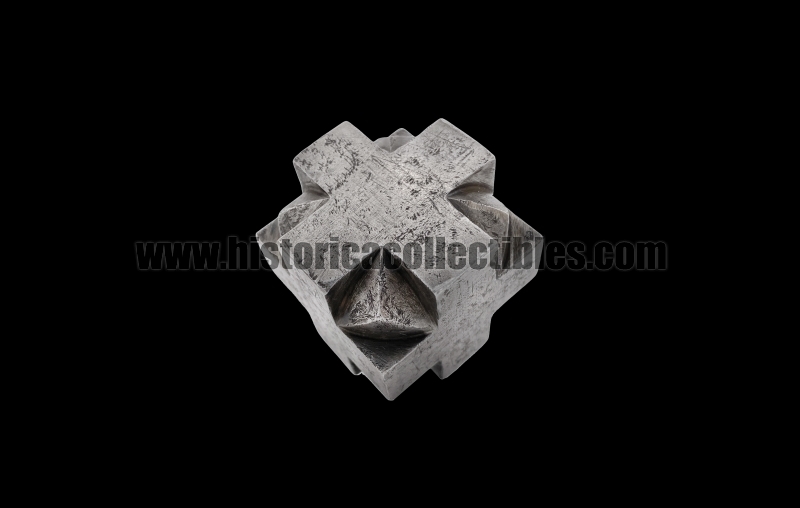
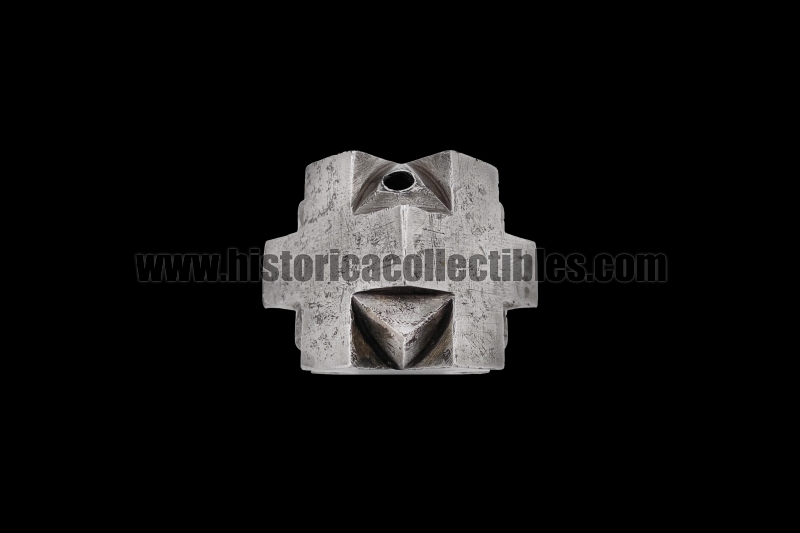
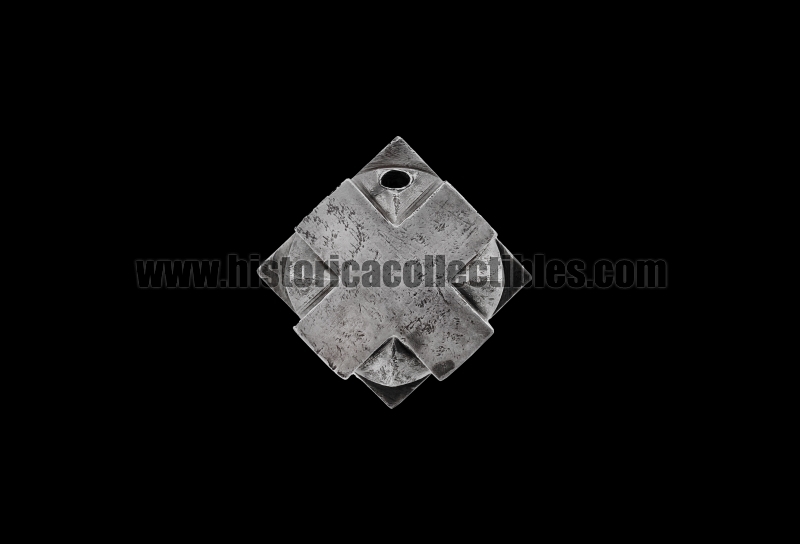
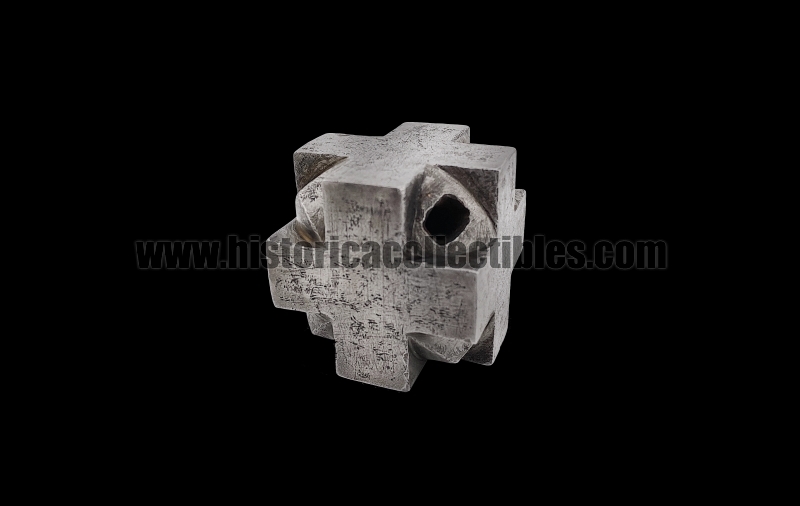
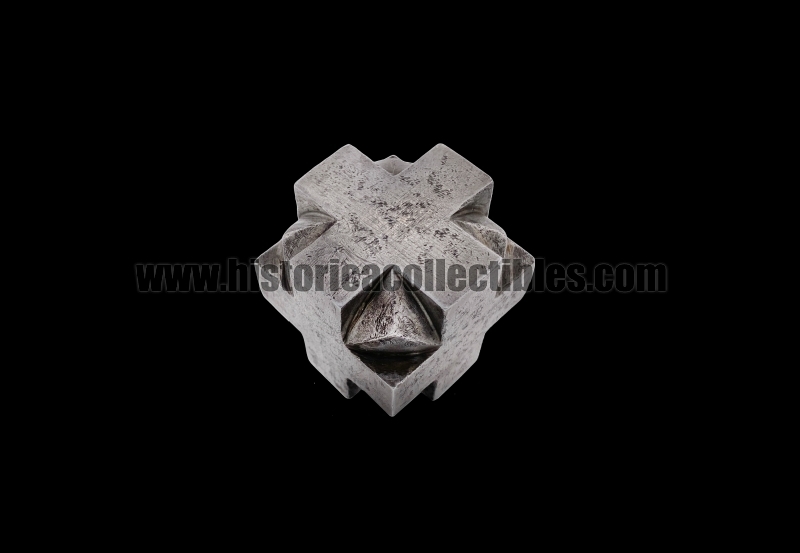
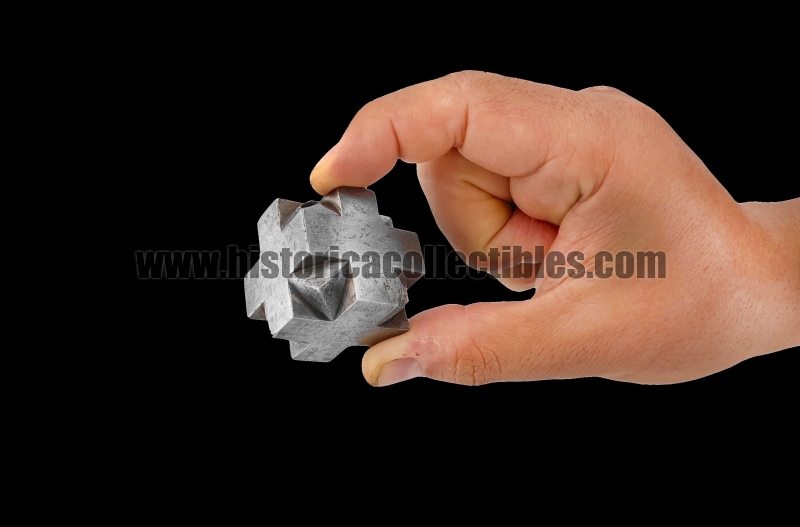

Iron pommel-mace for a one-and-a-half sword, also known as a "Bastarda," likely made in northern Italy in the second half of the 15th century.
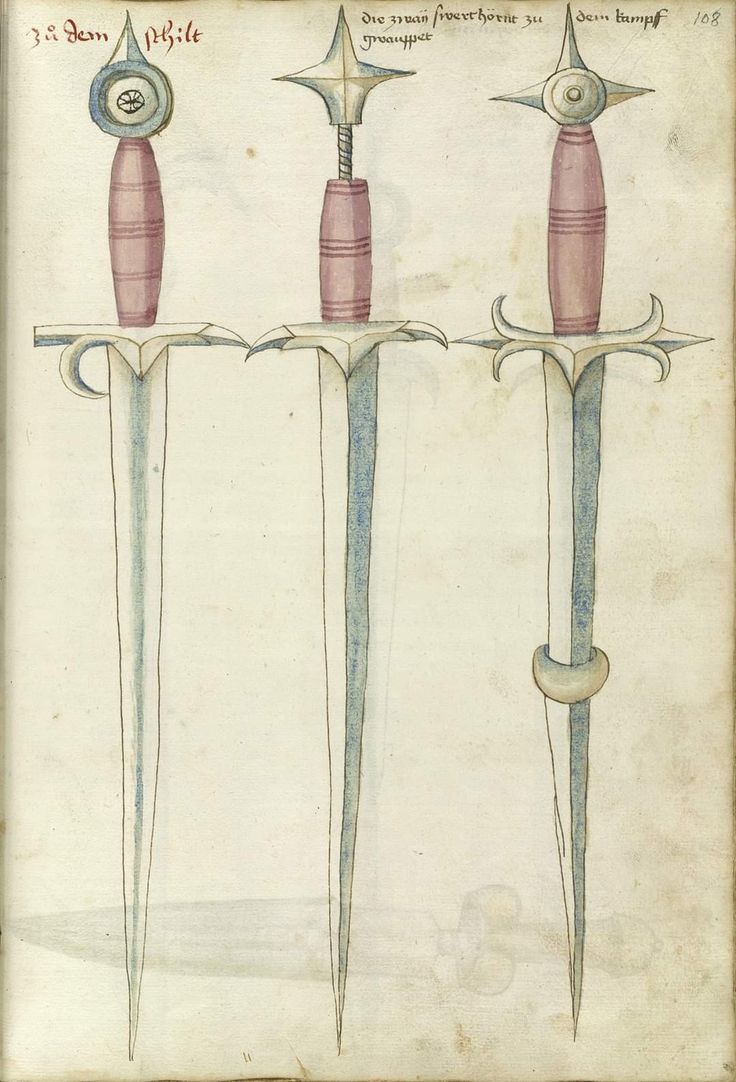
Sturdy pommel-mace for a one-and-a-half sword, also known as a "bastarda," in the shape of a hexahedron cube with quadrilateral cross-shaped faces, which follow one another and are joined by triangles carved within each of their individual arms. This hexahedron cube-shaped pommel, in fact, has been crafted using a special cross-shaped process to create 26 sharp 90° angles, plus another 8 formed by the triangles connecting the crosses. It was therefore likely designed to equip a sword that not only had to be used for cutting, but also, in times of other needs, could be held upside down and used as a mace.
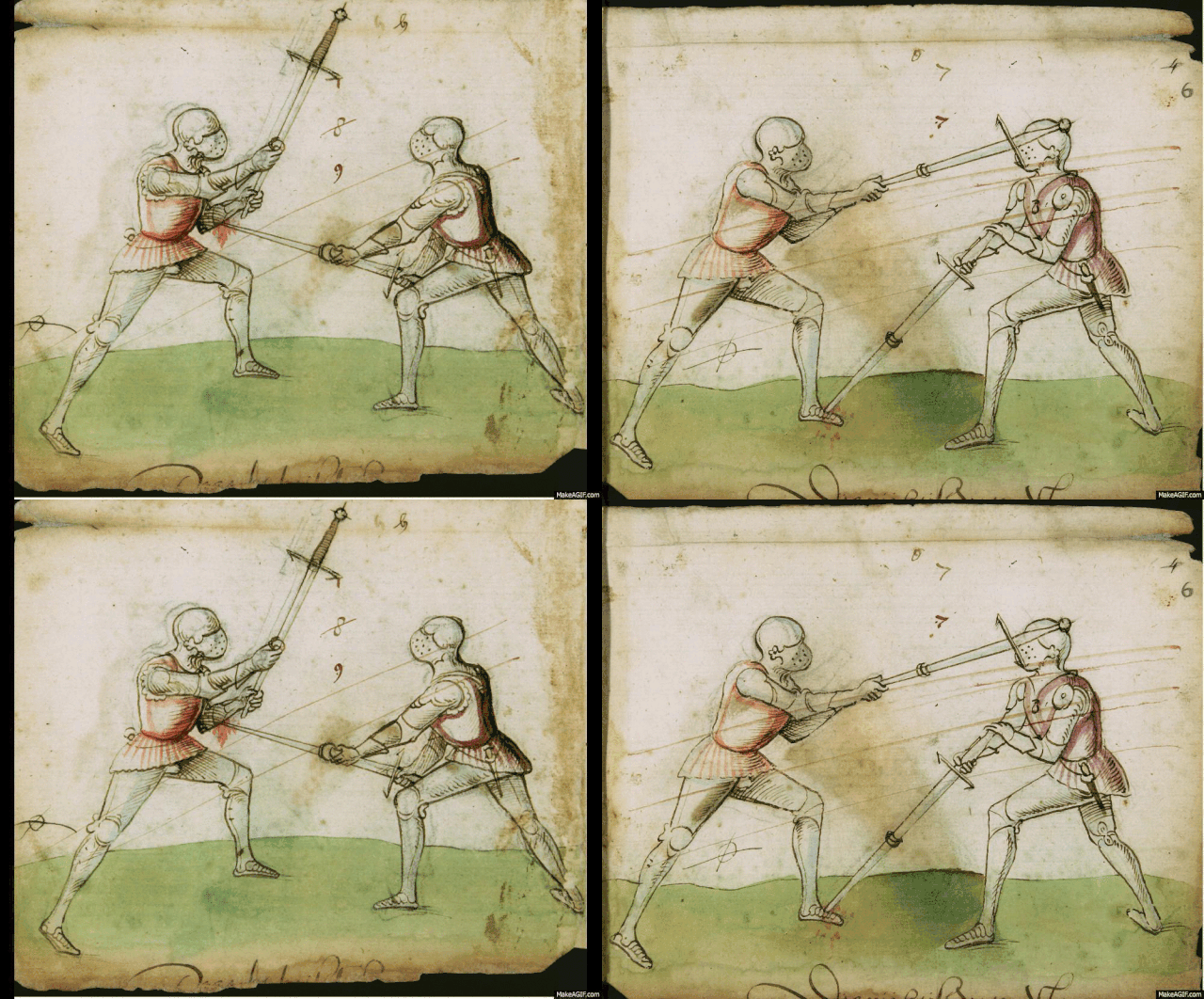
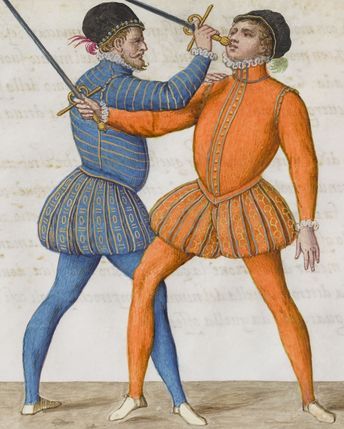
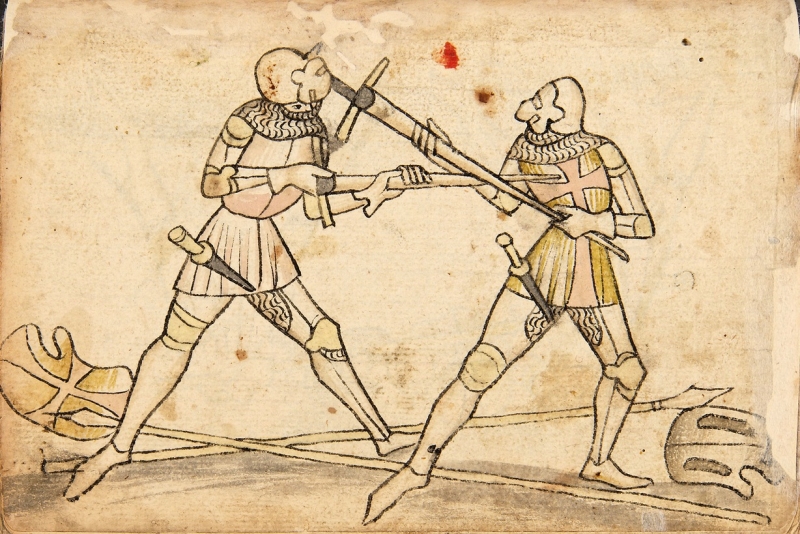
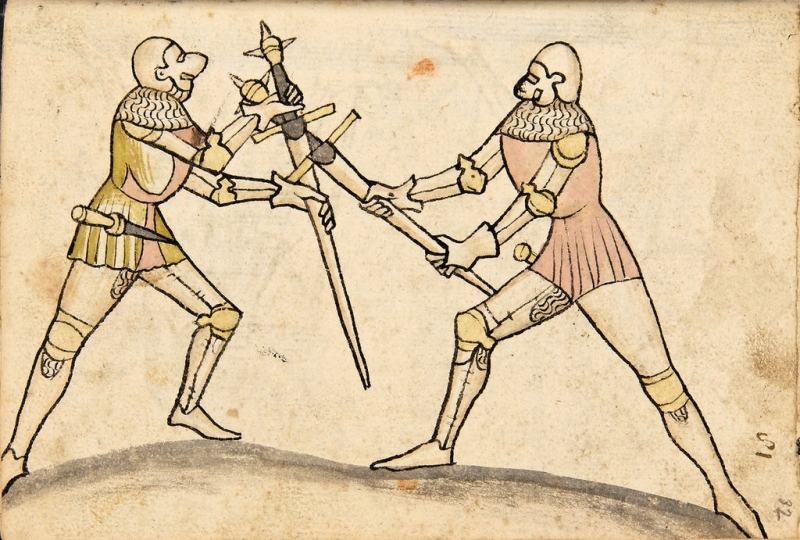
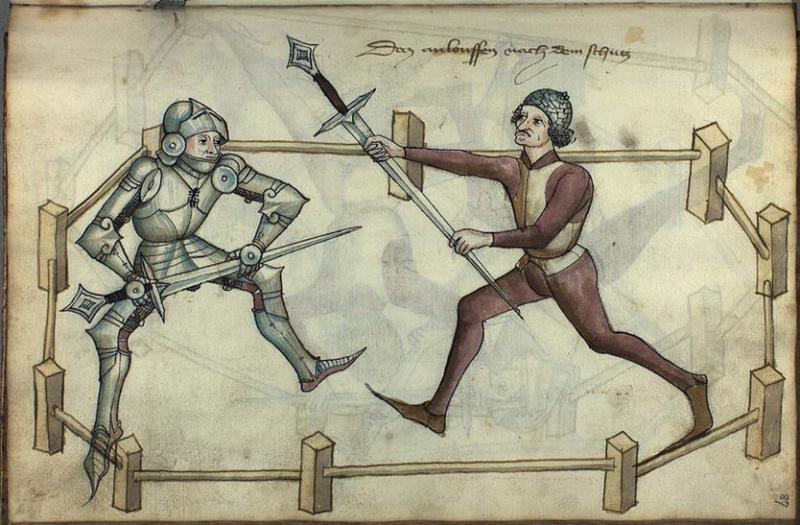
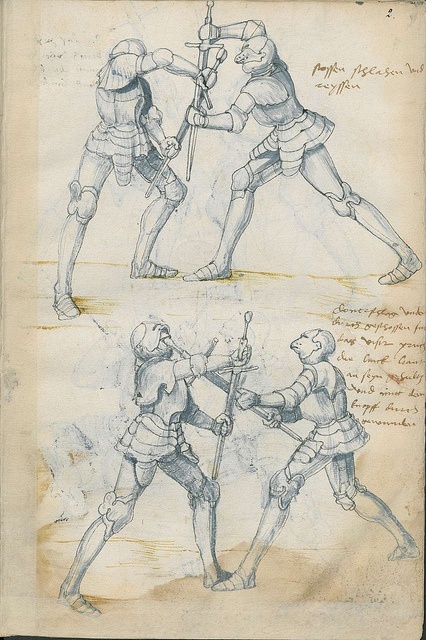
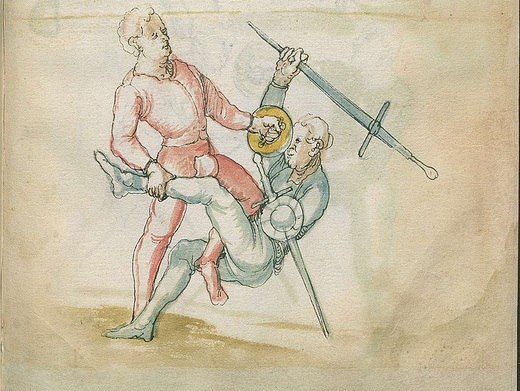
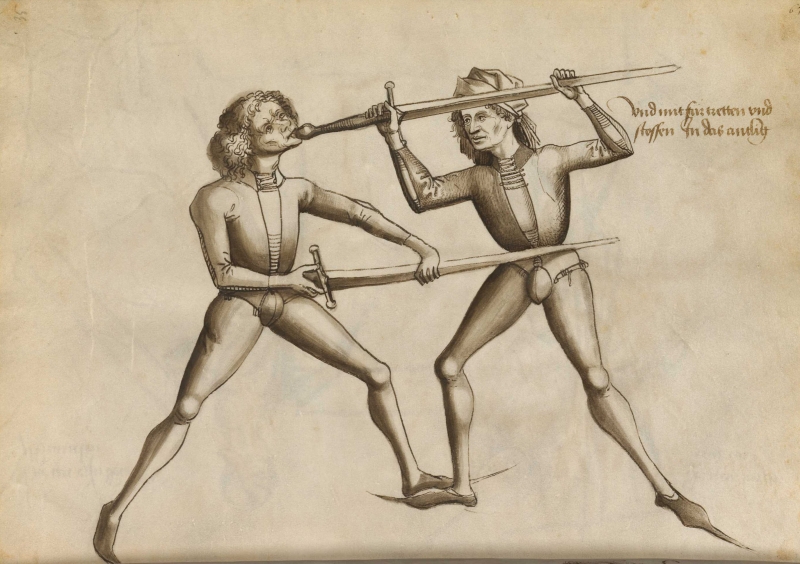
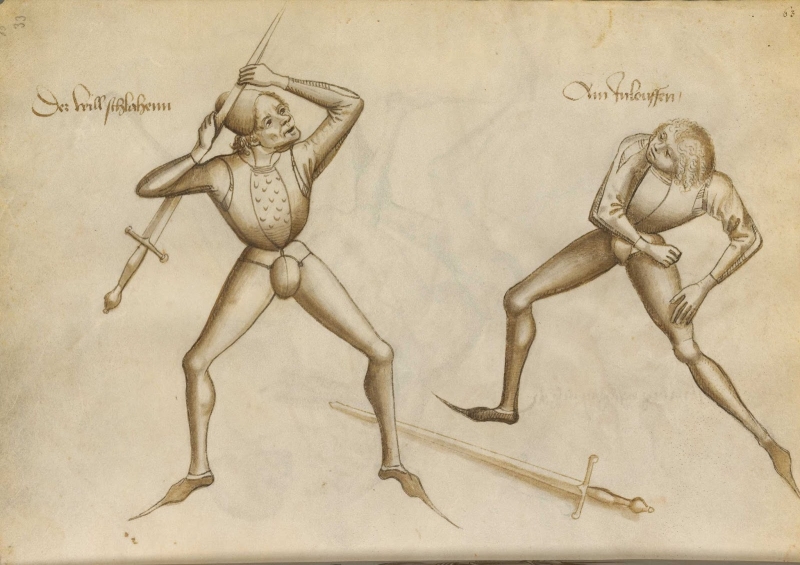
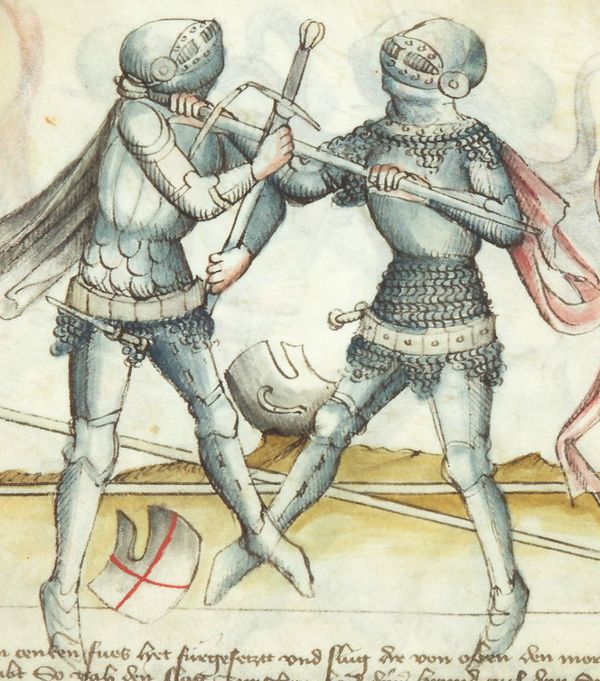
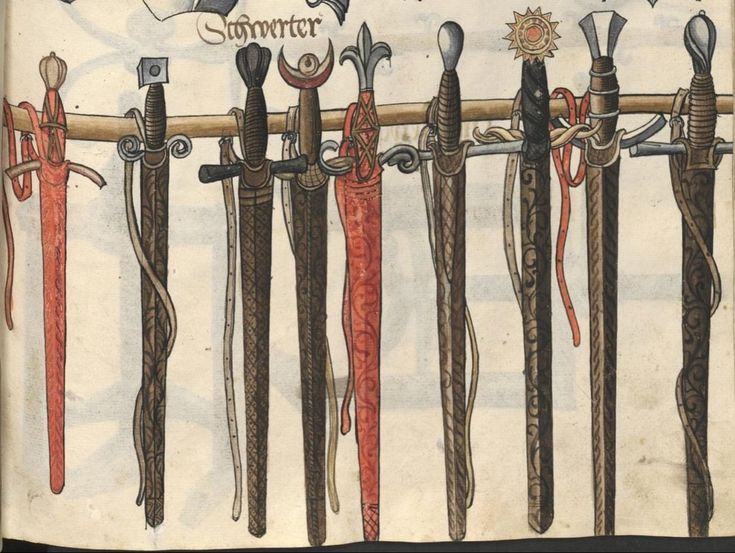
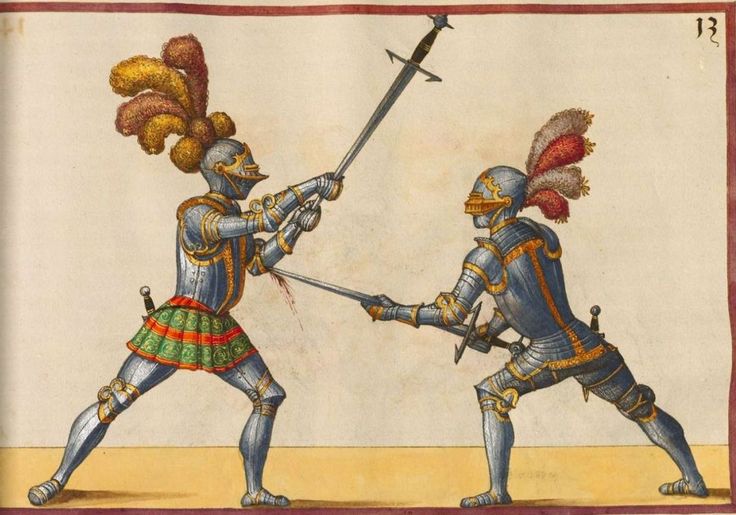
It was not uncommon at the time for these types of pommels, with their unique characteristics, to be used as actual mace heads when the sword was held backwards. Indeed, some original drawings from the Gothic-Renaissance period perfectly illustrate their use.
An important and unique iron sword pommel, crafted by a master swordsmith probably active in northern Italy (Milan or Brescia) in the second half of the 15th century.
Its dimensions are 4x4 cm across the surfaces and 6x6 cm across the corners, for a weight of 375 grams.