Assault mortar "Brixia mod.35" caliber 45 mm. Metallurgica Bresciana, 78th Rgt. Wolves of Tuscany, circa 1940
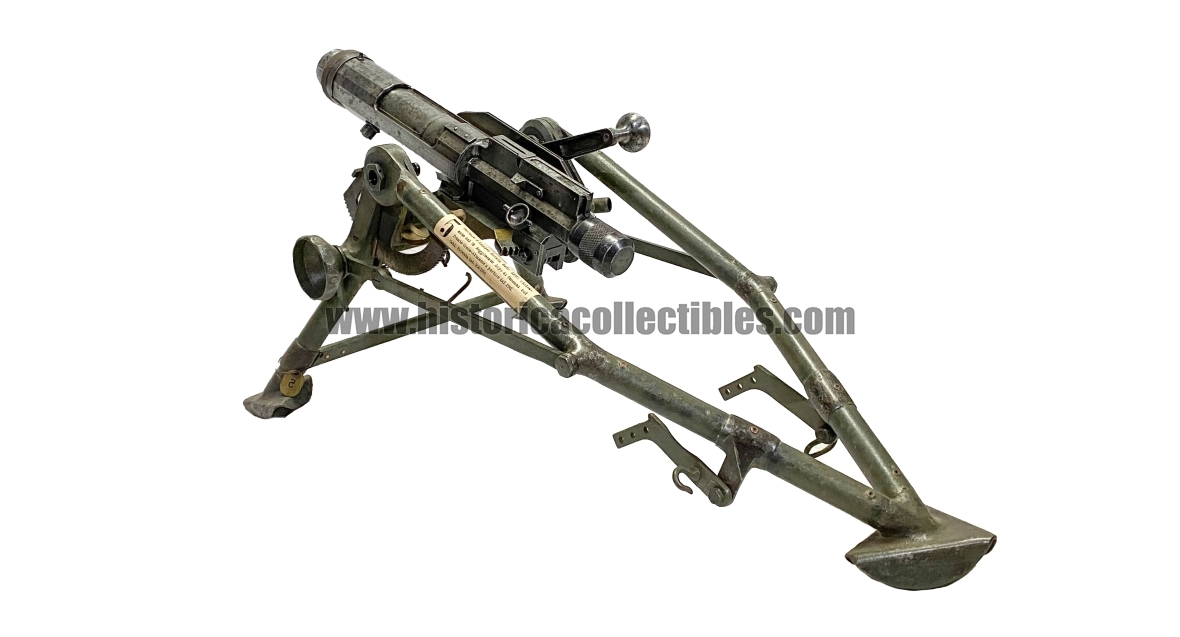
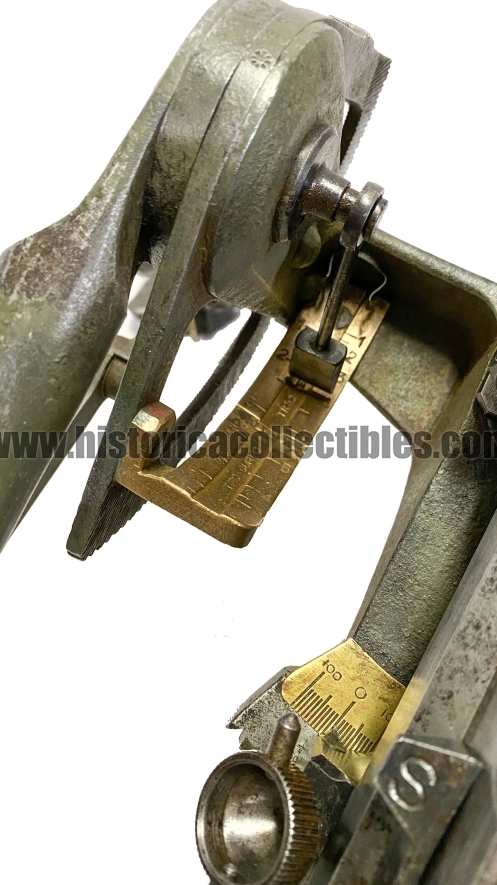


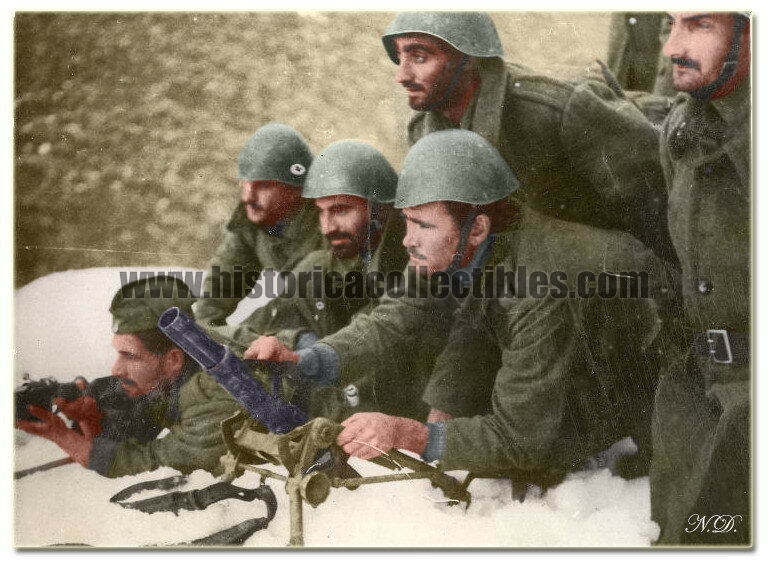
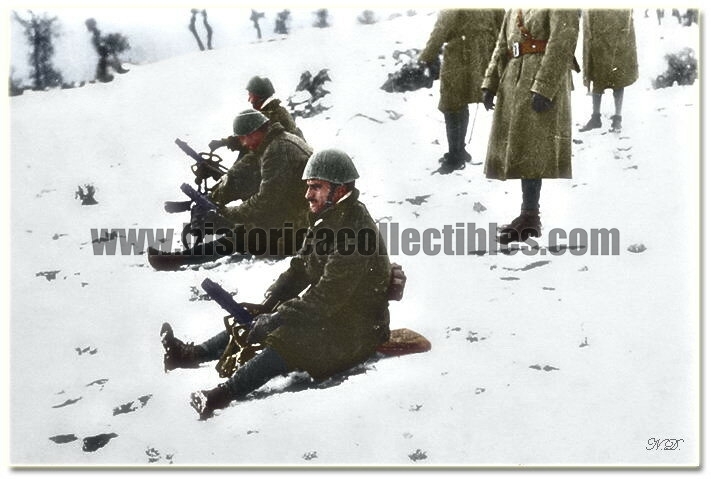

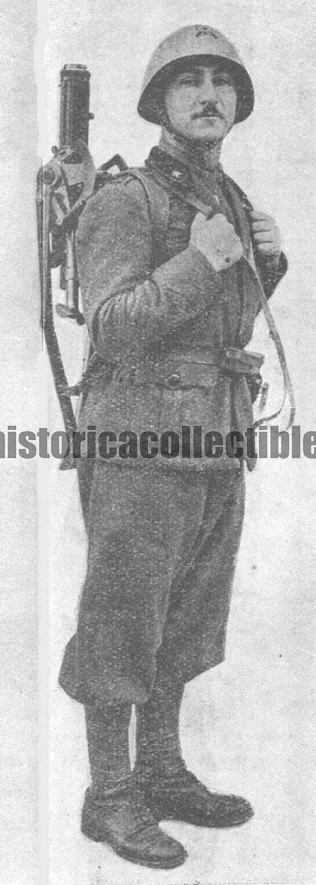
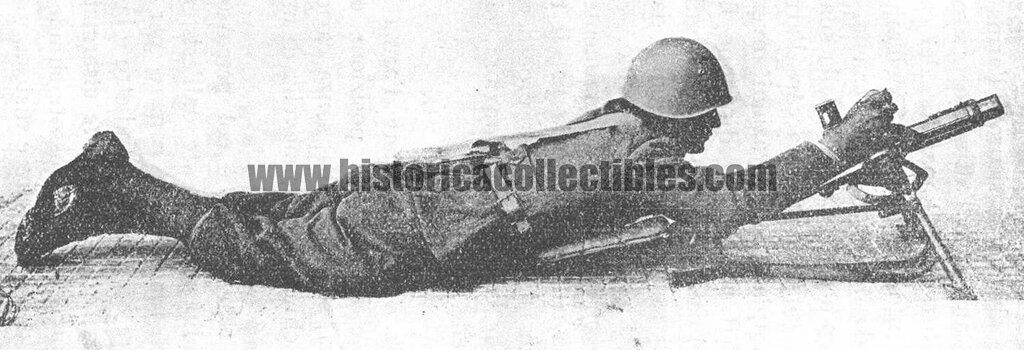


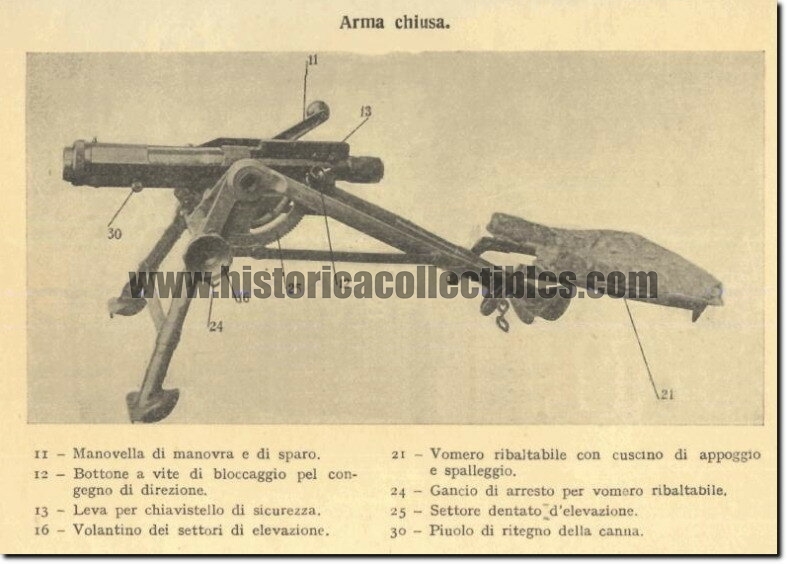
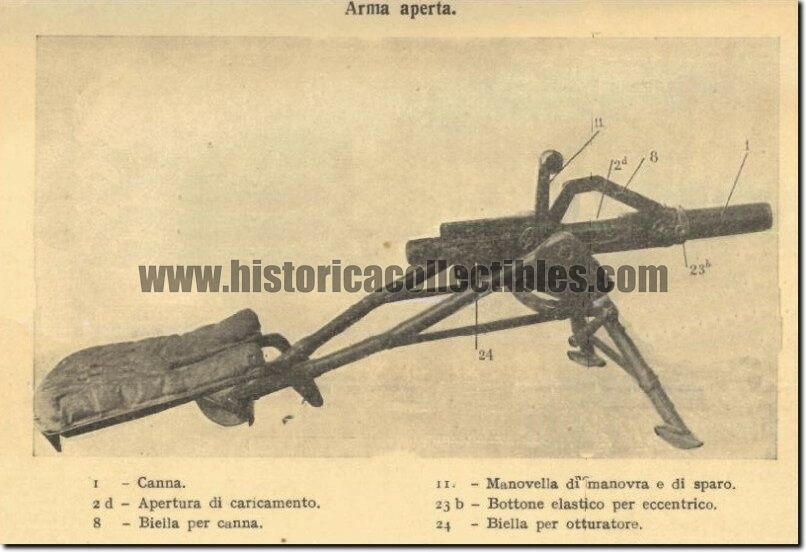





"Brixia mod.35" caliber 45 mm. assault mortar, produced by "MB-Metallurgica Bresciana formerly Tempini" around 1940.
This example is accompanied by some documents, which have followed it since its first owner kept it in his collection, which show that it was in use by the 78th Regiment. "Wolves of Tuscany" and used on the Greco-Albanian front starting from 1941.
In fact, on a letter headed by the 78th Rgt. Lupi di Toscana, stationed in Scandicci-Florence and signed by its Commander in 1957, we read that, "thanks the collector for having made available, on the occasion of the celebration of the first tenth anniversary of the reconstitution of the aforementioned Regiment which took place on 1 April 1957 ", this mortar on display.
Furthermore, placed on the mortar carriage on a paper appendix, information data regarding the mortar and its cataloging, dating back to 1950, are reported.
The state of conservation is excellent and original and all the metal parts are free of rust, it does not have the seat but its original plowshare exists.
The mortar, serial number between the carriage and the weapon, is accompanied by a deactivation certificate in compliance with current laws.
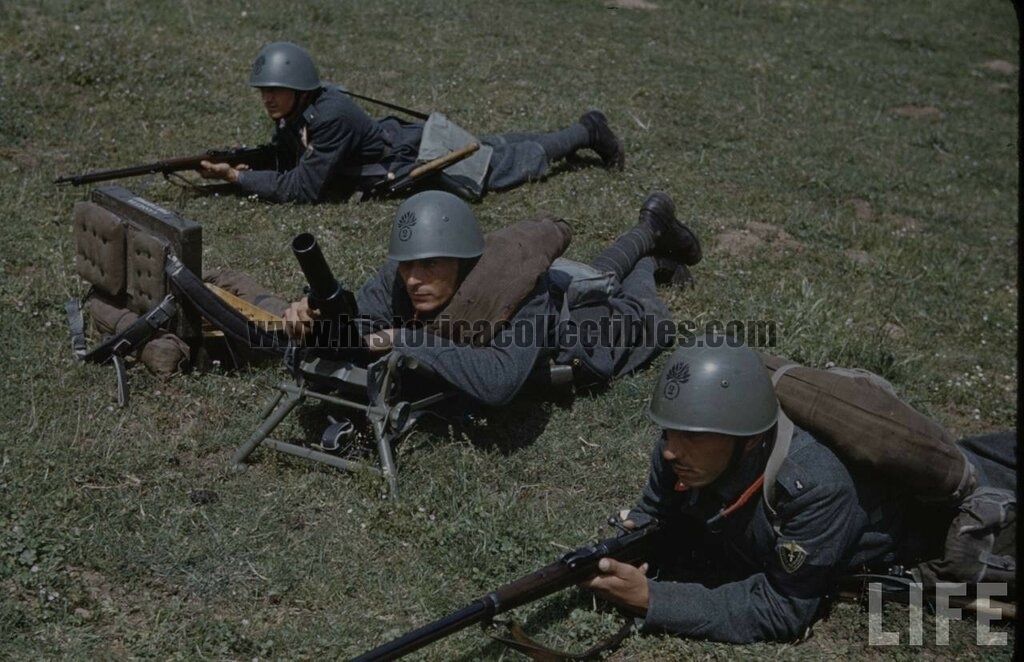
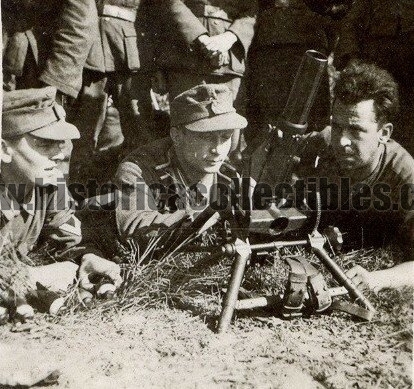
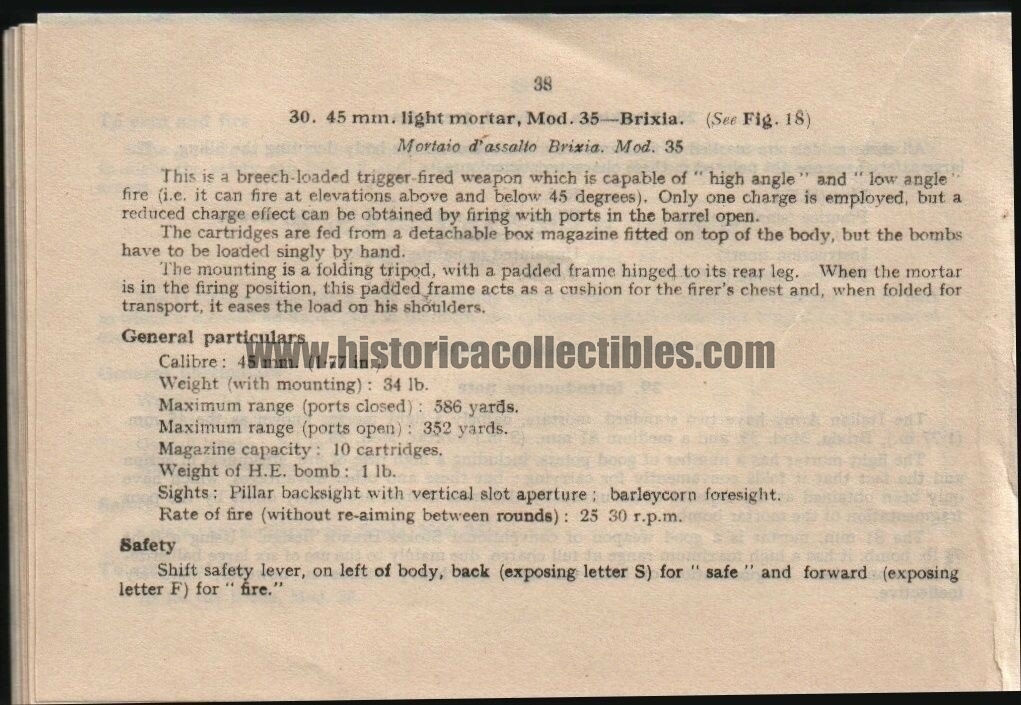
The Brixia Model 1935 assault mortar was a small Italian light mortar, with a high rate of fire, used during the Second World War.
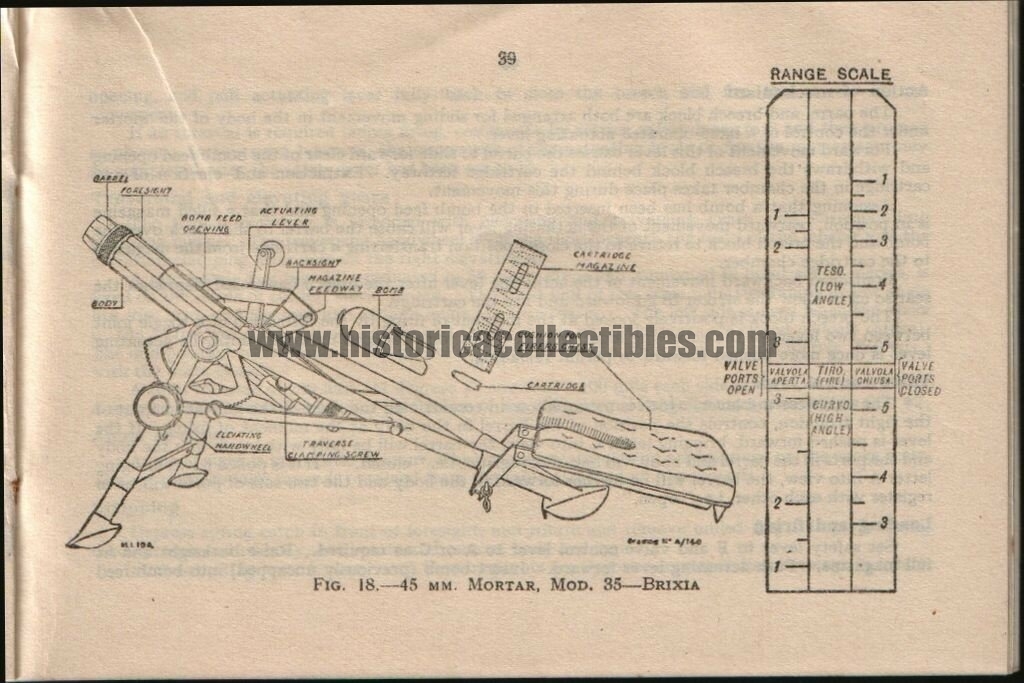
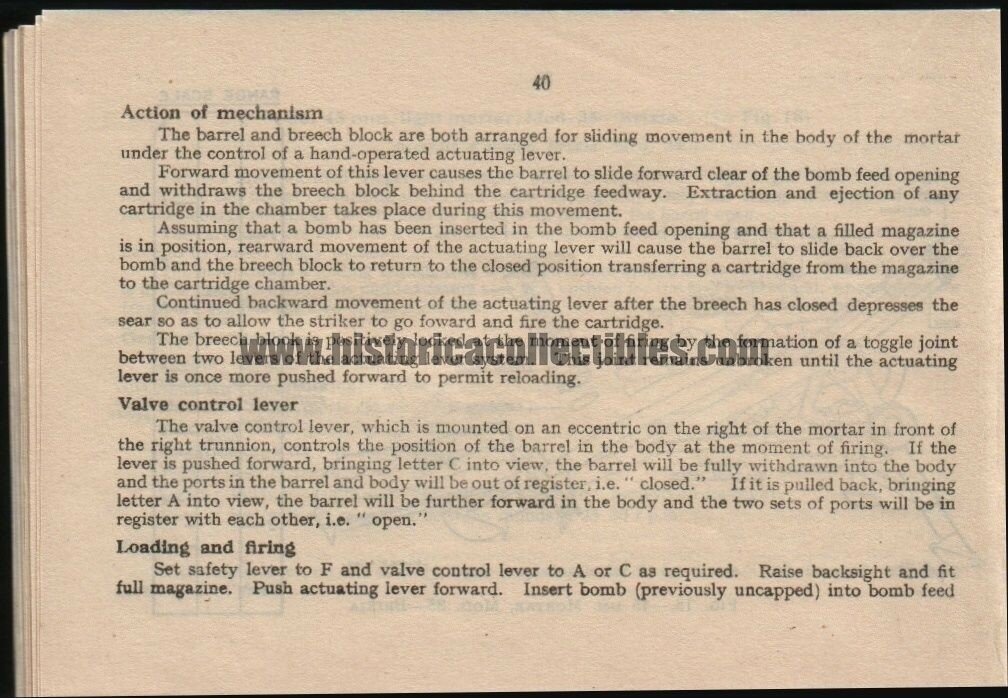
The Brixia is a breech-loading weapon, shoulderable or carryable, operated by a shooter, a weapon handler and an ammunition holder. The barrel, made of smooth-bore steel, is mobile and slides inside the receiver. The breech of the receiver contains a cartridge chamber with its own bolt and sear, fed by a magazine inserted above the receiver. The castle is hinged on the carriage, thus being able to swing on a horizontal sector of 200° (about 10°).
The carriage is mounted on a carriage made up of a front frame, with two harpooned legs and crossbar, and a rear one, made up of two legs with tie rods that join together in a harpoon. A folding plowshare with support cushion (and shoulder when the carriage is folded for transport) is hinged to the rear frame.
The range and the curvature of the trajectory are regulated both by opening or closing a valve that releases the firing gases, and by varying the inclination of the barrel. The elevation, from +100° to +1600° (i.e. +5°/89°) is adjusted with a handwheel that acts on two toothed sectors. Aiming for direct fire is carried out with a muzzle sight and graduated plate, while for elevation it uses a hm dial sight with pendulum.
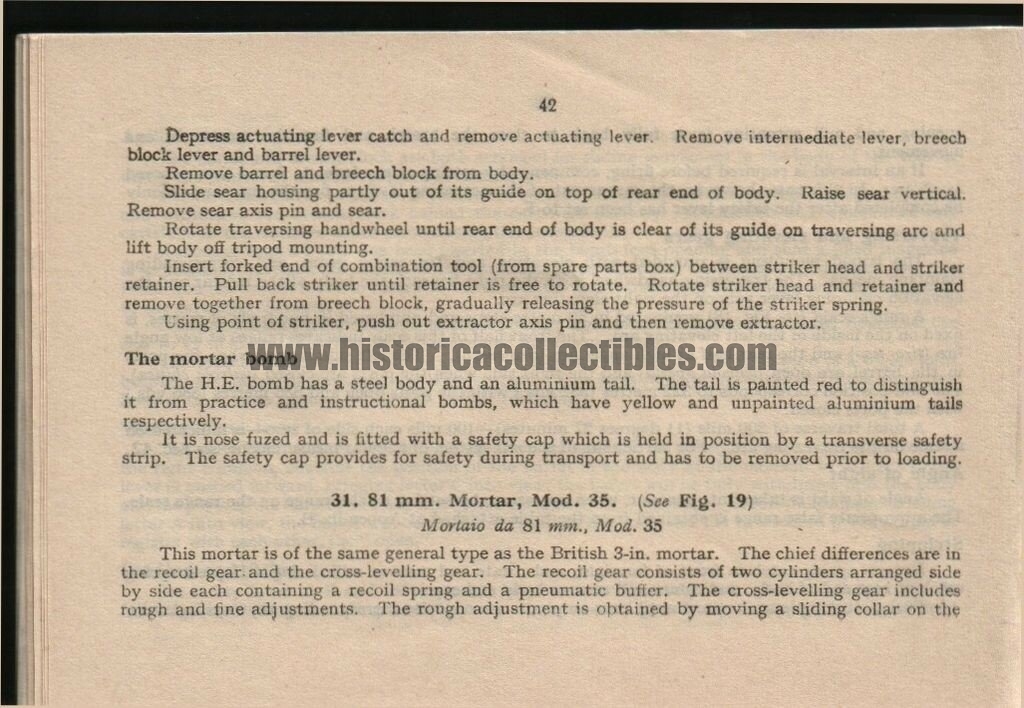
The Brixia employs a 45 mm grenade, consisting of a steel bomb body with fuze screwed to a four-lug governor. The war version mod. 35 weighs 480 grams, of which 70 are made up of the explosive charge in TNT and binitronaphthalene, and has a useful range of 20 metres; it is recognizable by its black bomb body and red fins. The mod. 39 differs due to some measures introduced after some cases of accidents and premature explosions.
In addition to the exploding projectile, a practice bomb with reduced charge was available, recognizable by its black body and yellow fins; a smoke bomb, recognizable by the black color of the fins; an inert bomb, with ballast instead of charge, fake fuze and aluminum-colored fins.
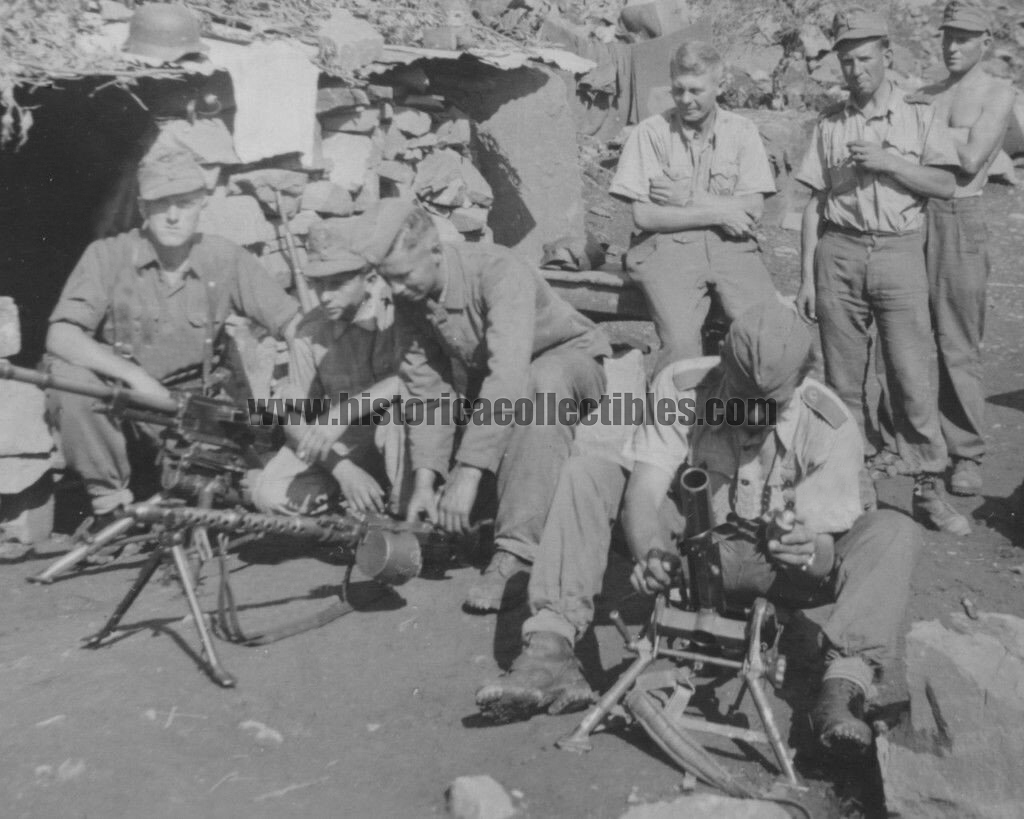
It was used for the first time in the Ethiopian War and, subsequently, in the Spanish Civil War by the Volunteer Troop Corps. In fact it became the main light mortar of the Royal Army during the Second World War, in service with both infantry and sappers. It was soon withdrawn from the front line in North Africa and Russia, remaining in service longer on the Balkan, Alpine and Sicilian fronts.