
Gorget or "messenger" plaque in gilded and chiseled copper with the effigy of Saint Benedict of Nursia, Germany 14th-15th
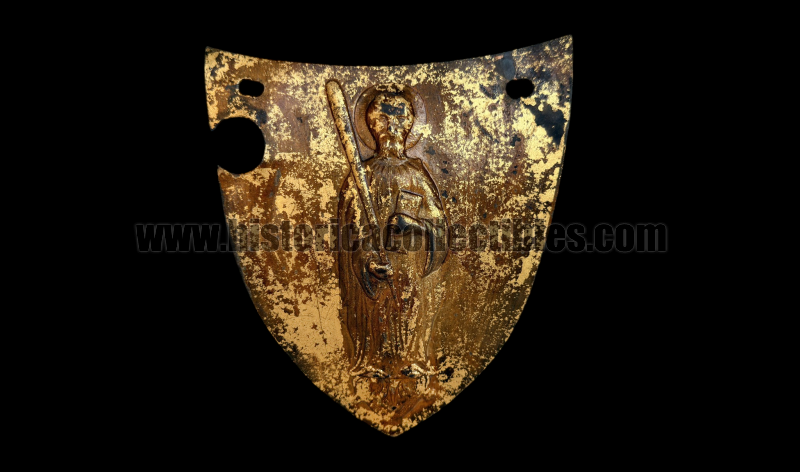
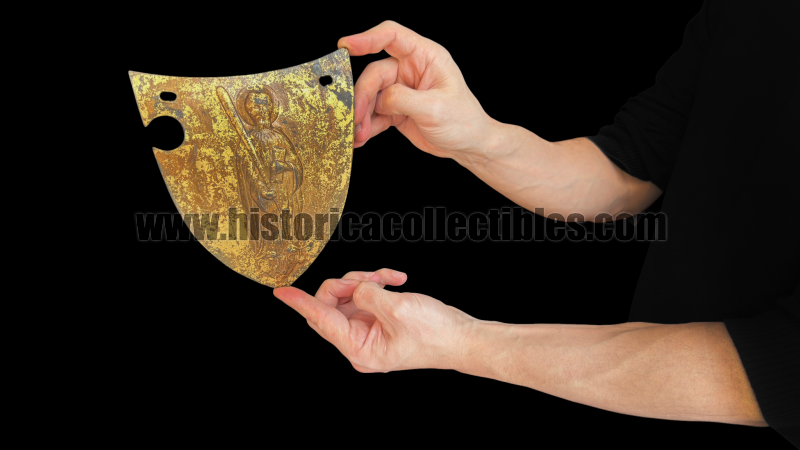
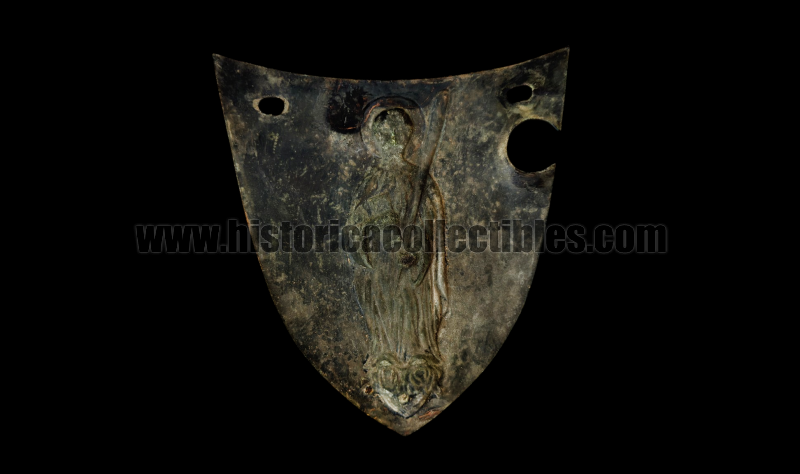
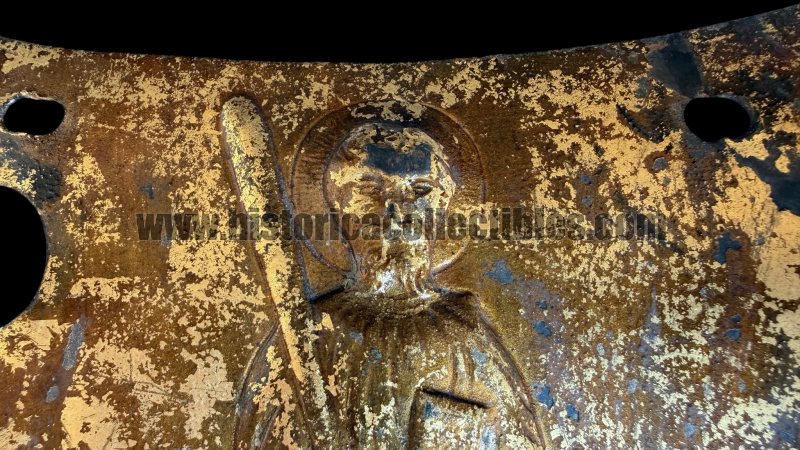
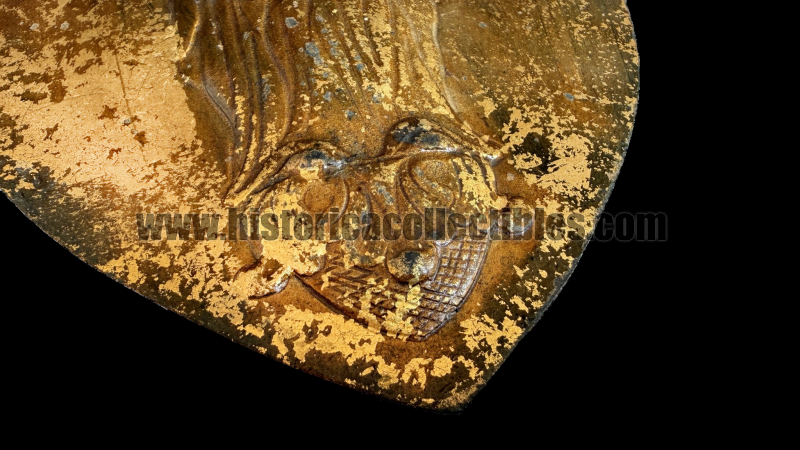
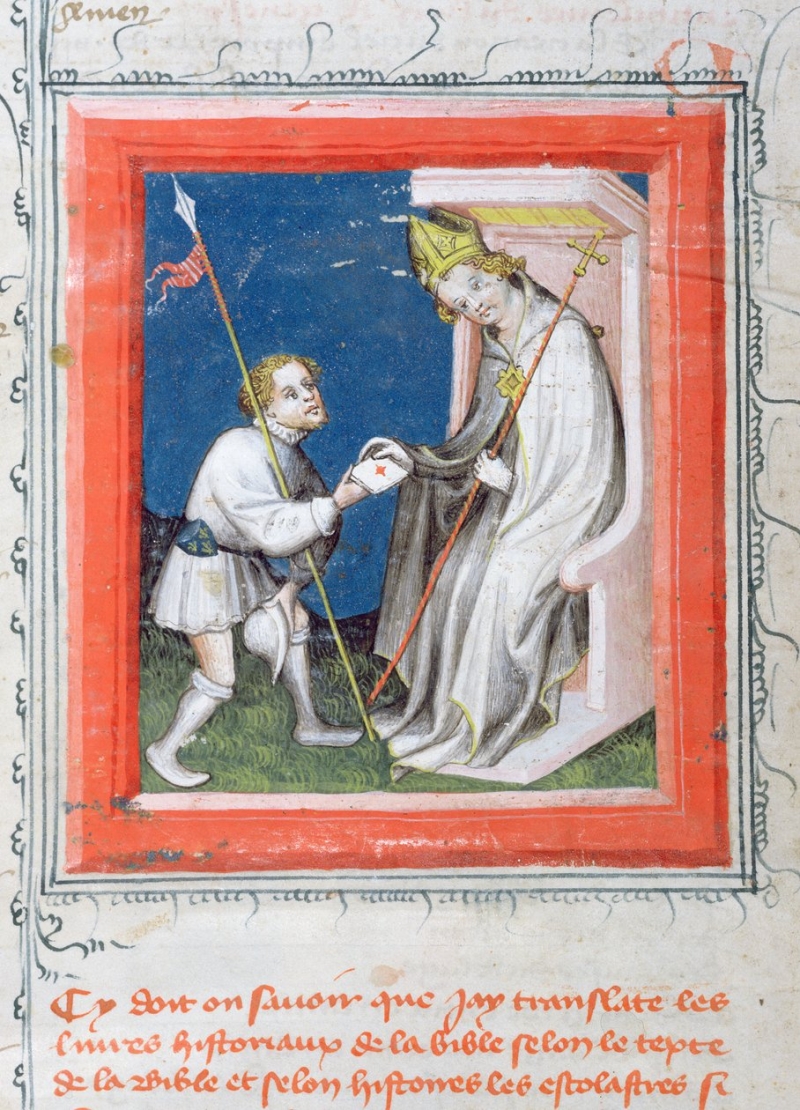
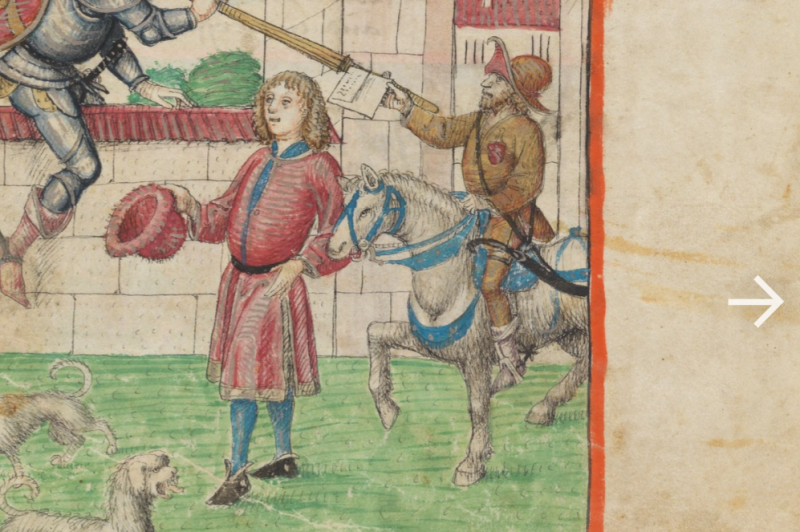
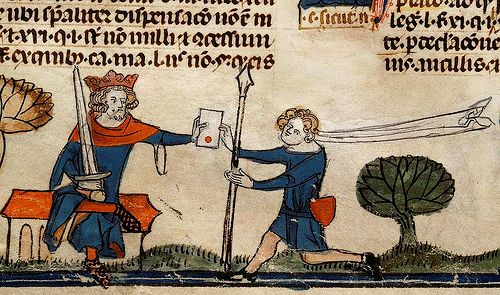
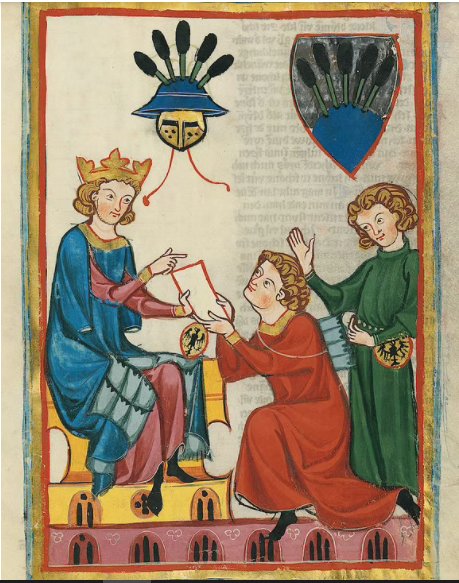
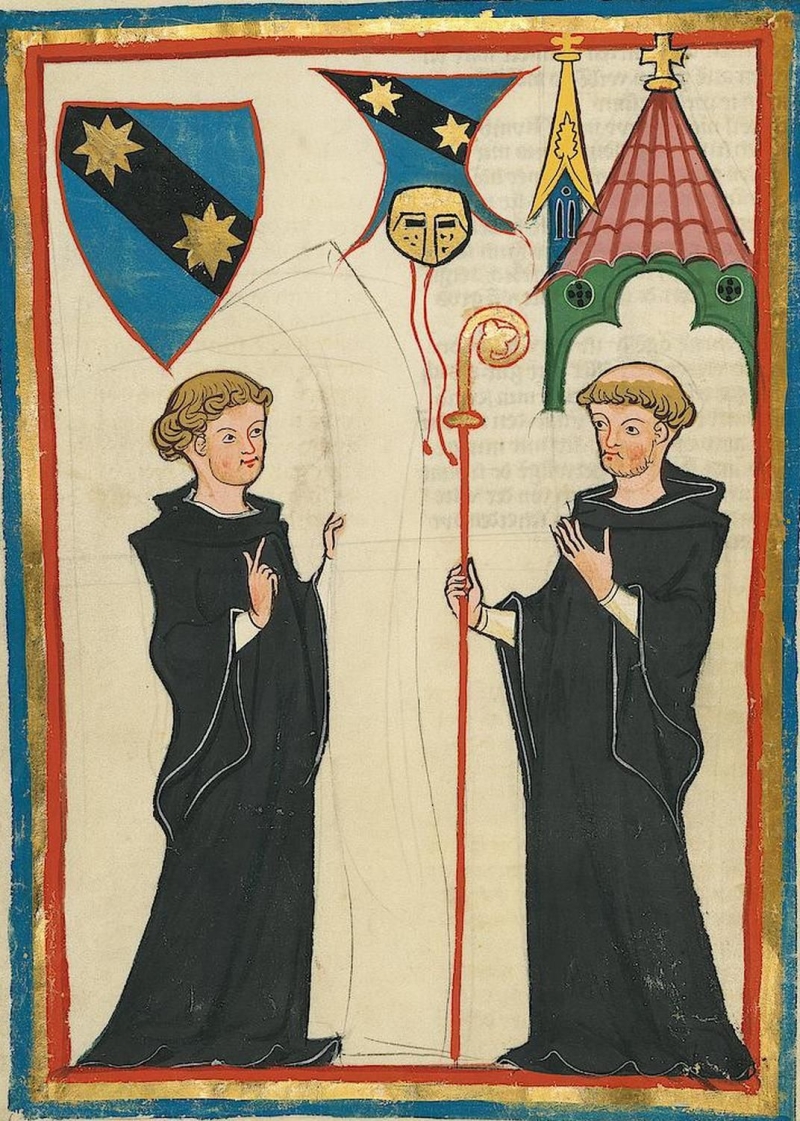
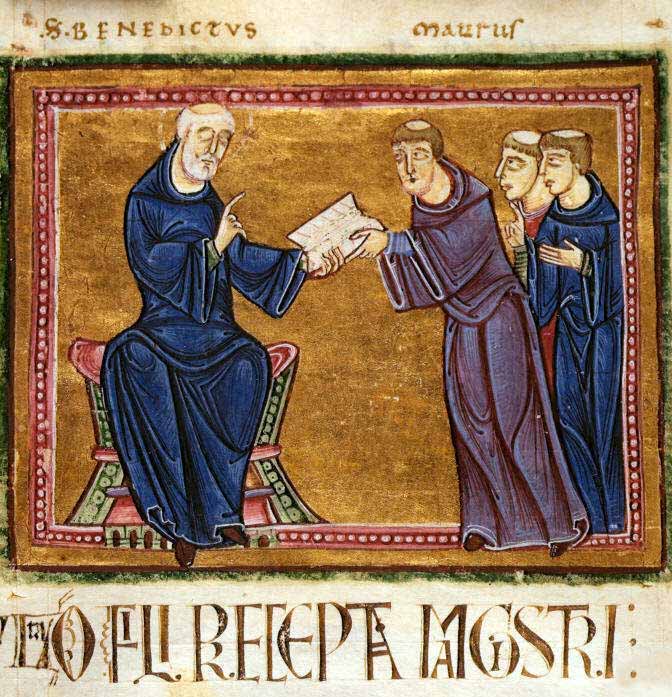
A finely chased gilded copper messenger's gorget, featuring at its center the effigy of Saint Benedict of Nursia, patron saint of the Benedictine monastic order. The object, likely of German manufacture, dates to between the second half of the 14th and the early 15th century, based on the stylistic characteristics of the chasing, the gorget's shape, and the gilding technique typical of medieval Central European workshops.
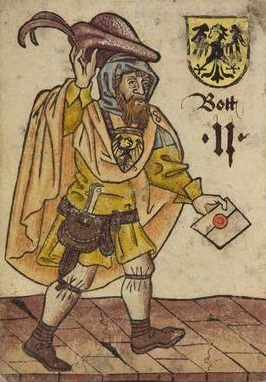
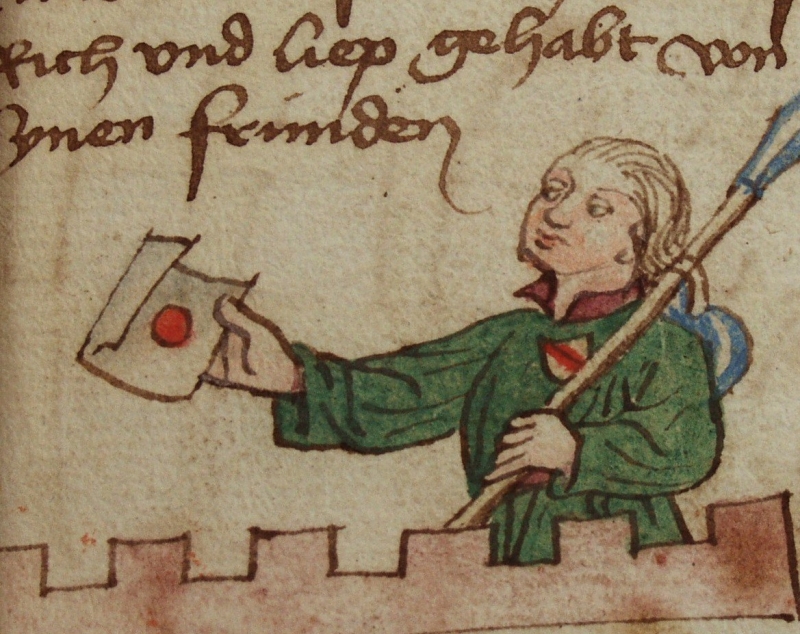
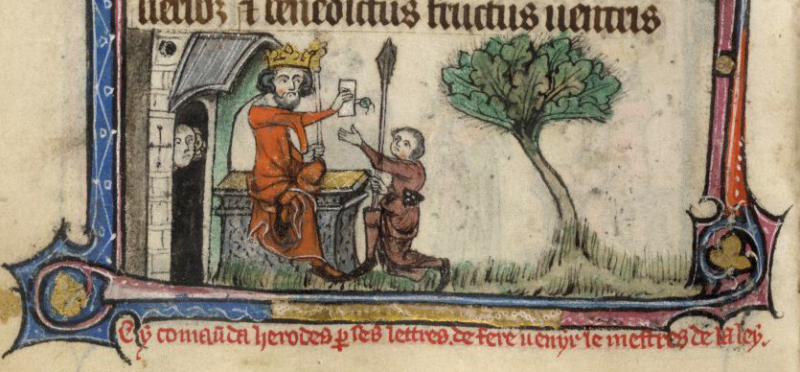
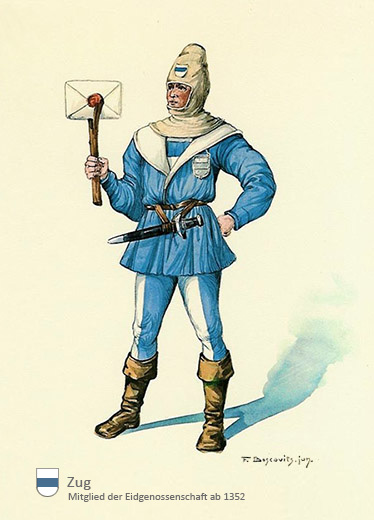
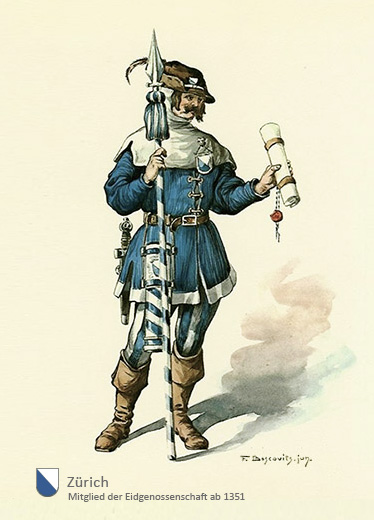
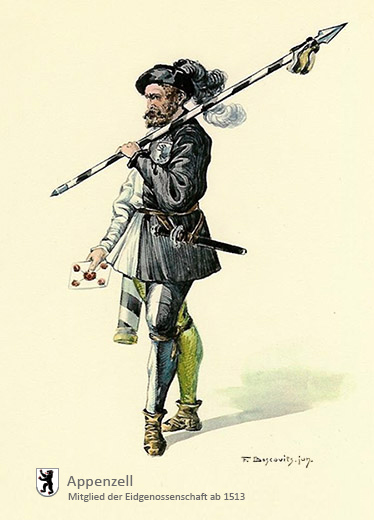
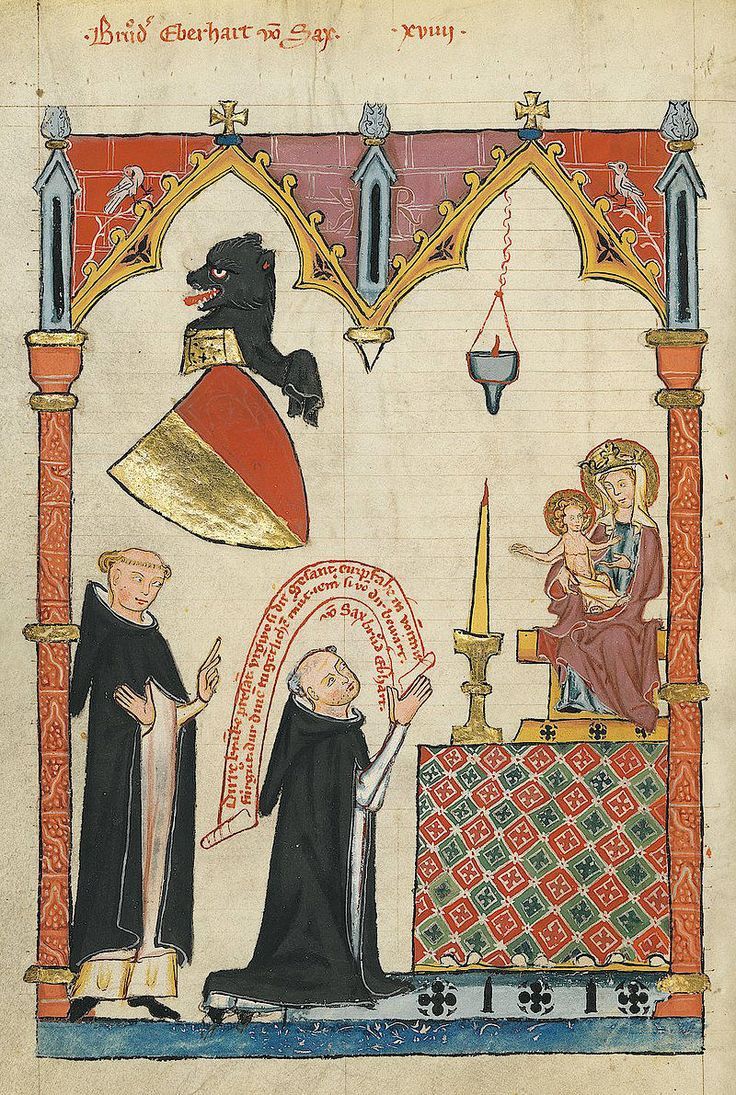
The gorget, designed to be worn around the neck with a leather or cordura strap, served as an official badge for members of the Benedictine order employed in representative, diplomatic, or messenger roles (nuncios, ambassadors, or messengers of the order). The presence of the patron saint's effigy not only confirmed membership in the Benedictine order, but also conferred formal recognition on the wearer among the authorities and communities contacted, serving as a safe-conduct in official communications and missions. Over the centuries, numerous sovereigns, rulers, and emperors relied on ecclesiastical emissaries to transmit official letters and messages. Indeed, clergy members enjoyed a special inviolability, recognized on both a political and religious level. This condition, combined with the ecclesiastical oath, guaranteed not only the messenger's safety, but also the integrity and confidentiality of the content of communications.
The quality of the engraving and the refinement of the gilding attest not only to the technical skill of medieval craftsmen, but also to the symbolic and institutional importance of the object: it represents a tangible testimony to the hierarchical structure and diplomatic network of the Benedictine order in the late Middle Ages.
On one side, there is a circular buttonhole, likely intended to accommodate a button attached to the garment. This functional device allowed the gorget to be secured, preventing it from repeatedly bumping against the wearer's chest while traveling on foot or on horseback.
Its dimensions are: Height 18 cm, maximum width 15.5 cm.
References:
Kunsthistorisches Museum - Inv. Nr.: Kunstkammer, 5112: (https://www.khm.at/kunstwerke/spielkarte-heiliges-...)
Berna (Svizzera) Burgerbibliothek - Shelfmark: Mss.h.h.I.1 - "Diebold Schilling, Amtliche Berner Chronik, vol. 1", Pagina 23 (https://www.e-codices.unifr.ch/en/bbb/Mss-hh-I0001...)
Kunsthistorisches Museum - Inv. Nr.: Kunstkammer, 5077-5124: (https://www.khm.at/kunstwerke/kartenspiel-sog-hofa...)
Metropolitan Museum - Messenger Badge and Shield - Object Number: 1984.26a, b (https://www.metmuseum.org/art/collection/search/24...
Metropolitan Museum - Messenger Badge and Shield - Object Number: 04.3.302 (https://www.metmuseum.org/art/collection/search/25...)
Metropolitan Museum - Messenger Badge and Shield - Object Number: 04.3.298 (https://www.metmuseum.org/art/collection/search/25...)