
"Theriac Magna", Bronze Container, Venice, 14th-15th Century

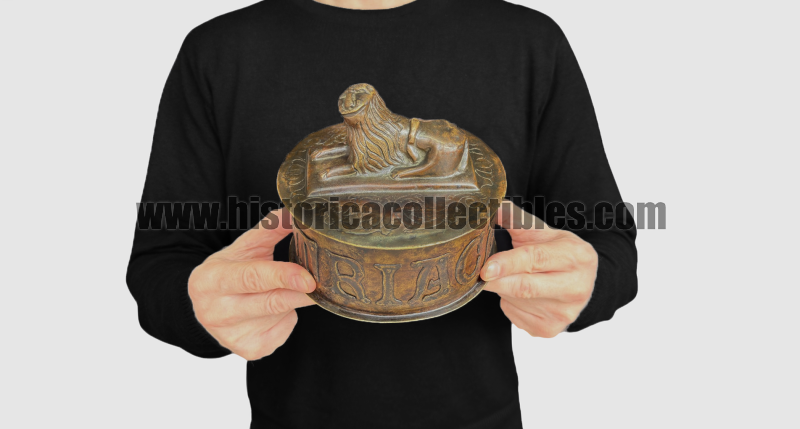
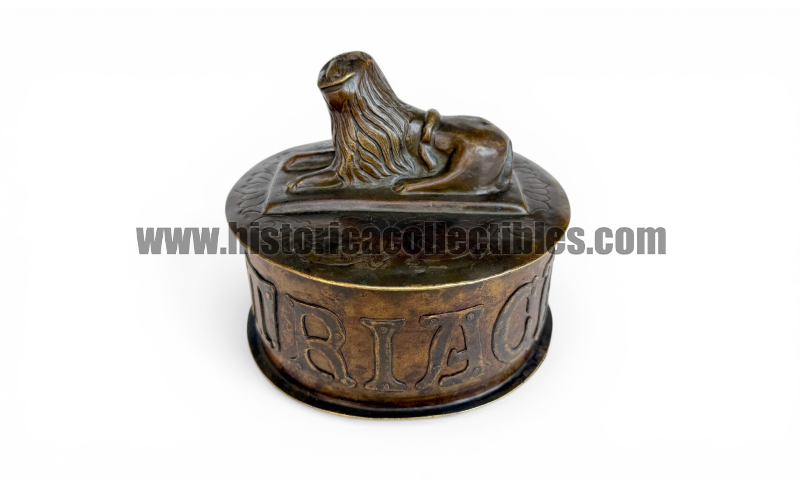

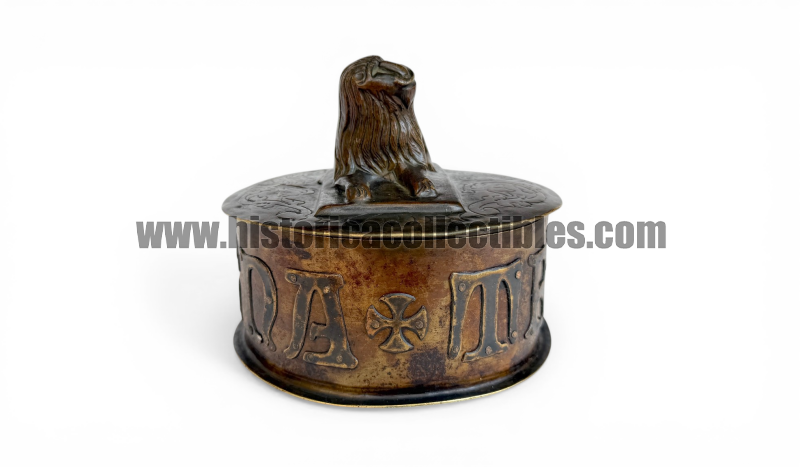
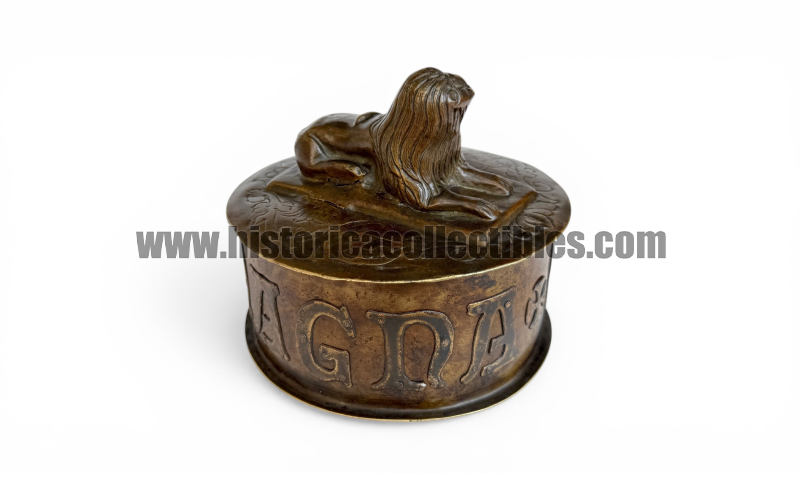
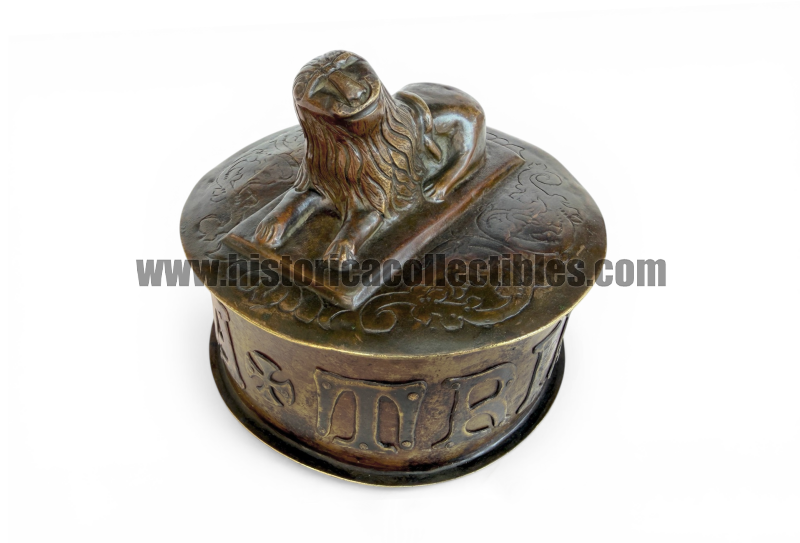

A leaded bronze container, attributable to the Venetian sphere and dating between the late 14th and early 15th centuries, originally intended to hold the electuary known as Triaca Magna, one of the oldest and most famous medicines in the history of pharmacology.
The rounded body of the container, consistent with the type common between the 12th and 14th centuries in apothecaries' workshops (laboratories dedicated to the preparation of natural remedies) is decorated in the round with inscriptions in Gothic "relief" characters, identifying the original contents as "Theriac Magna". The words "Theriac" and "Magna" are separated by two crosses; this element, while not attesting to a direct doctrinal relationship with Christianity, reflects the interpenetration of folk medicine, devotional dimension, and alchemical-religious practices.
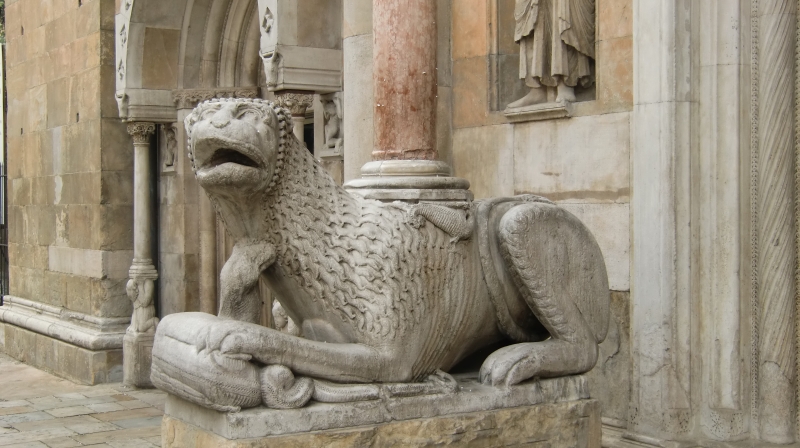
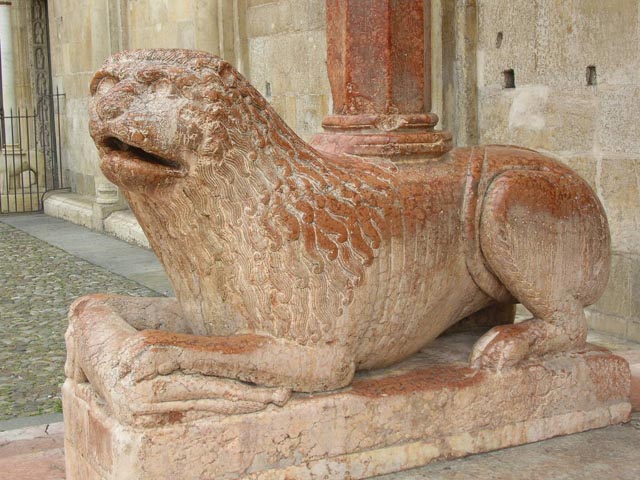
The lid features, at its center, a crouching lion, rendered in high relief with careful chiseling, with its tail wrapped around its body, or "tail that encircles the body." This iconography is reminiscent of late Romanesque and medieval marble depictions and sculptures, particularly the column-bearing lions that were widespread in the cathedral architecture of northern Italy between the 13th and 15th centuries. The surface of the lid is also adorned with Venetian-style floral motifs, executed using a chiseling technique.
The interior of the container and its lid are lined with lead, a practice already common at the time, aimed at preventing direct contact between organic substances and copper alloys from causing toxic effects. Furthermore, an additional insulating layer is noted, likely applied both to compensate for deterioration of the lead plating and to ensure greater protection for the contents.
The relatively small size of the artifact suggests it was used privately, likely by a high-ranking family, unlike the larger containers used in apothecaries for larger-scale distribution.
Dimensions: diameter 14.5 cm and height 12 cm.
What was Thriaca Magna?
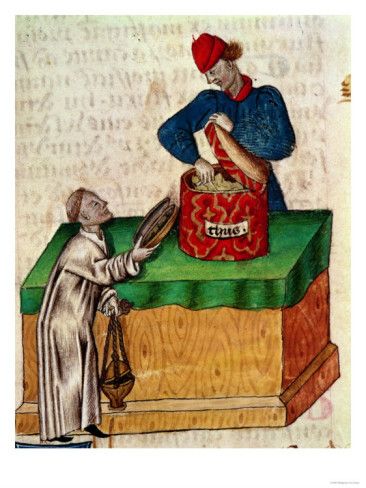
It was probably the most famous medicine in the history of medicines and dominated the medical and pharmaceutical scene for over a thousand years. It was like a panacea, with an infallible remedy; in short, it was the queen of antidotes. Its origins are traced back to Crateva, physician to Mithridates VI, King of Pontus (c. 132-63 BC), who used to take poisons in doses sufficient to guarantee himself immunity from possible enemy attacks. When his fortunes turned, the immunity he had acquired prevented him from committing suicide with the poison he had also administered to his daughters, and he was forced to kill himself with the sword after witnessing their deaths. History contributed to the fame of "Mithridate," as the antidote was called, which took its name from him. It was modified by Andromachus, Nero's physician (54-68 AD), and called it theriac, from the Greek thḗroin, meaning wild beast, as an antidote to poisonous bites. The main ingredient was viper meat (along with 50-60 other ingredients) in the belief that the animal retained the antidote as well as the venom. Theriac was included in all recipe books until the 19th century.
References:
Distilling.- Brunschwig (Hieronymus) Liber de arte Distillandi de Compositis, first edition of the so-called 'Grosses Destillierbuch', Strassburg, Johann Gruninger, 1512.
"Buch des Lebens" (Book of Life), of Marsilio Ficino (1433 - 1499), German edition Strasbourg (Dr. Hieronymus Brunschwig), Germany, 1531.