Doppelfernrohr 10x80 - 20° mlr (Ducati), Kriegsmarine, circa 1944
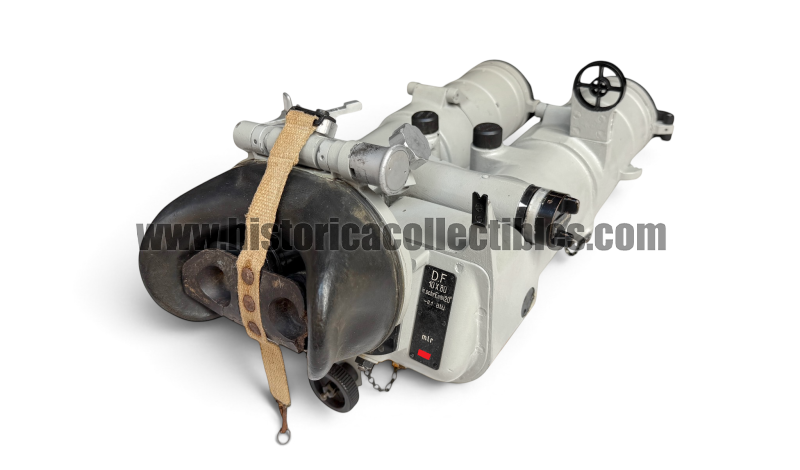
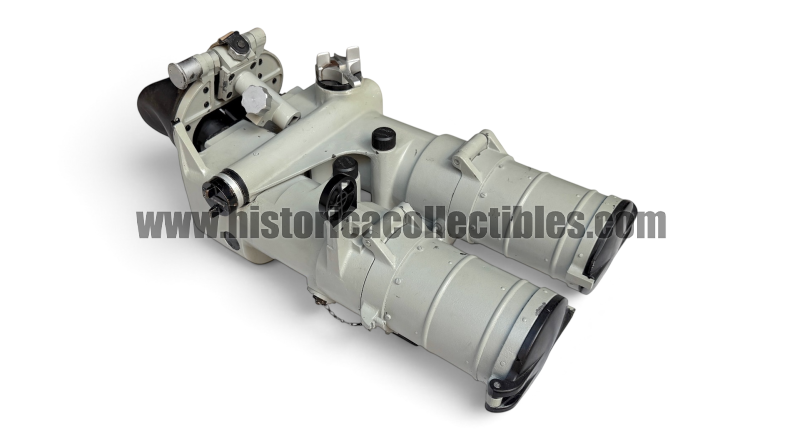
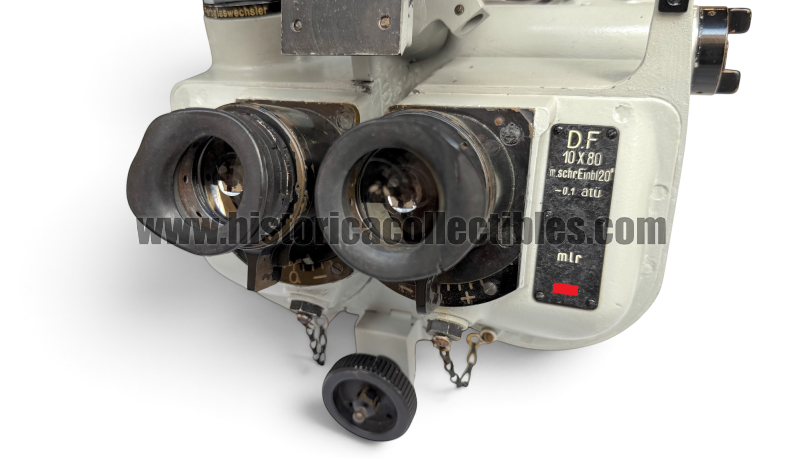
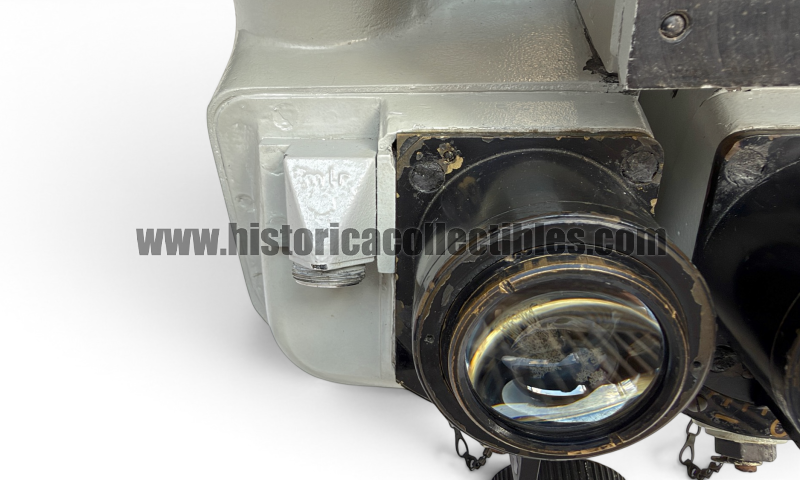
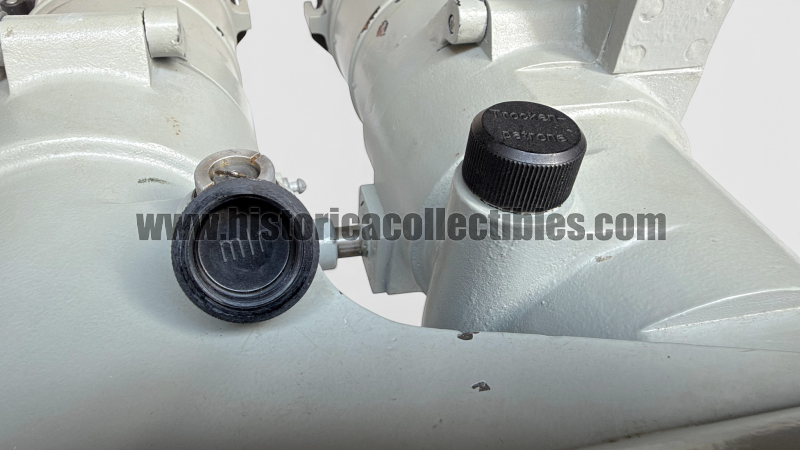
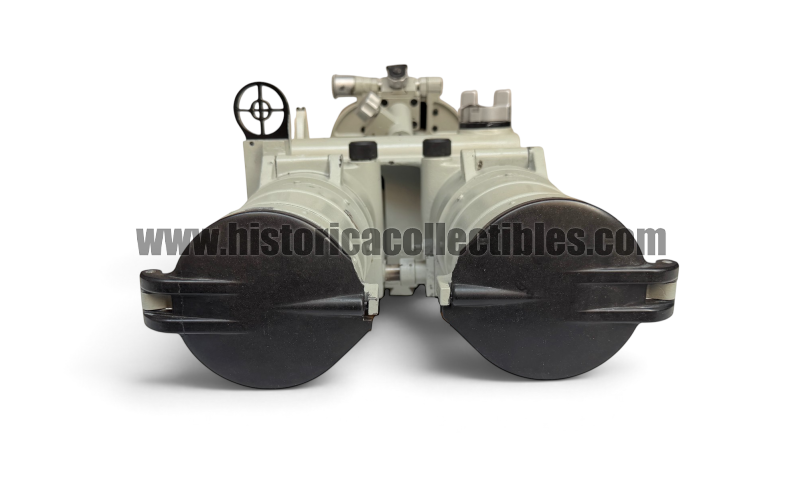
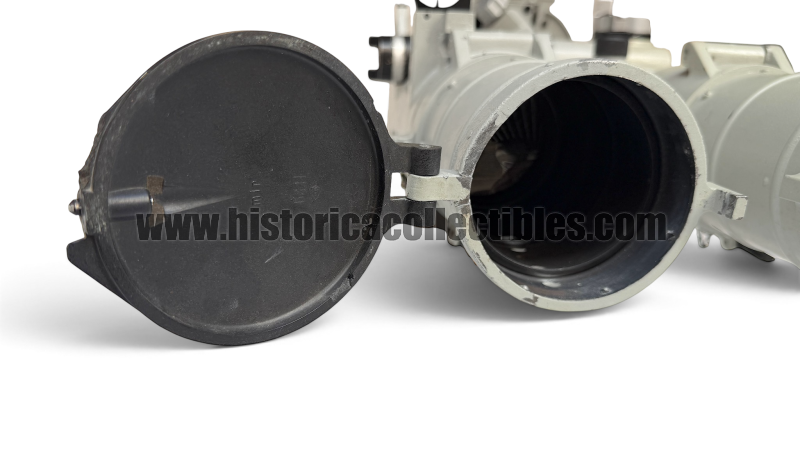
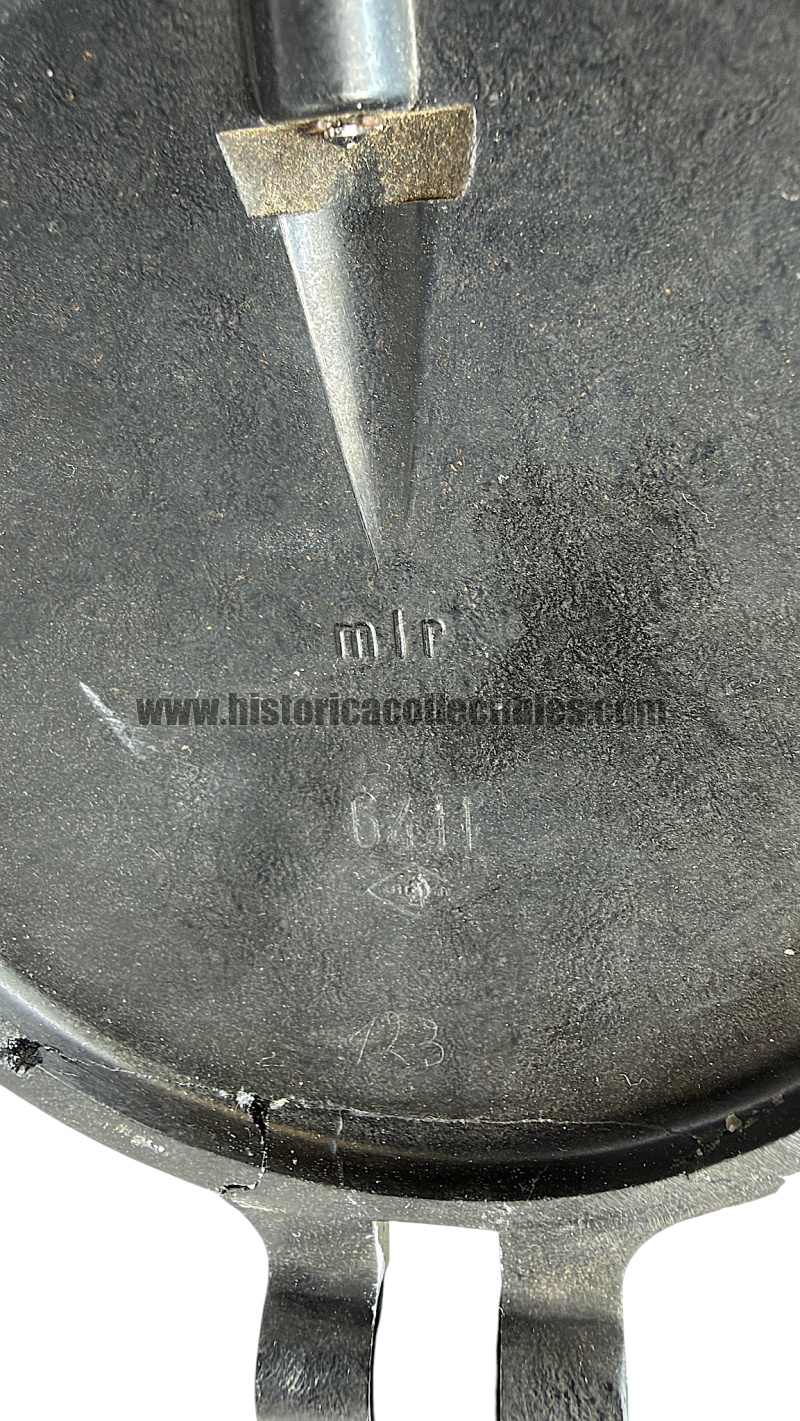
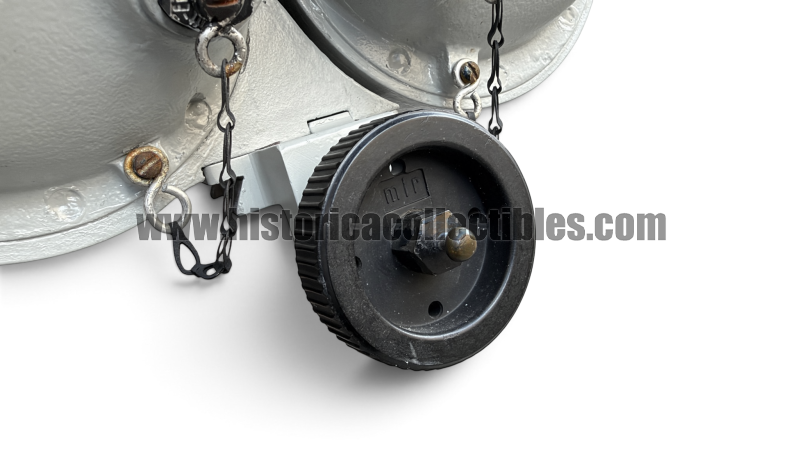
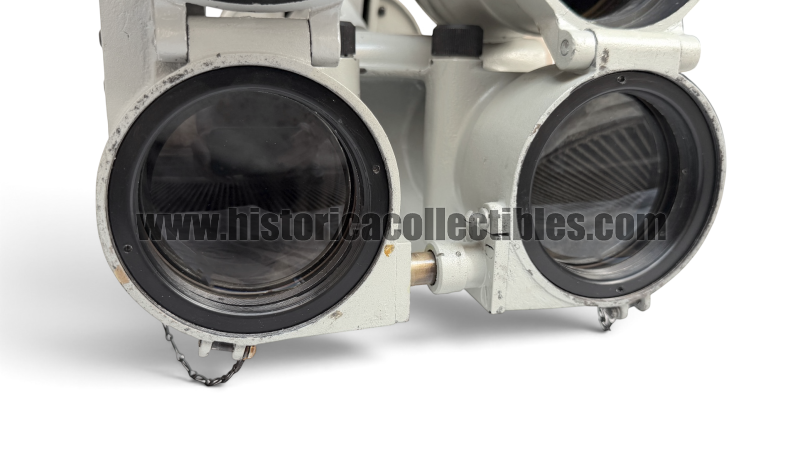
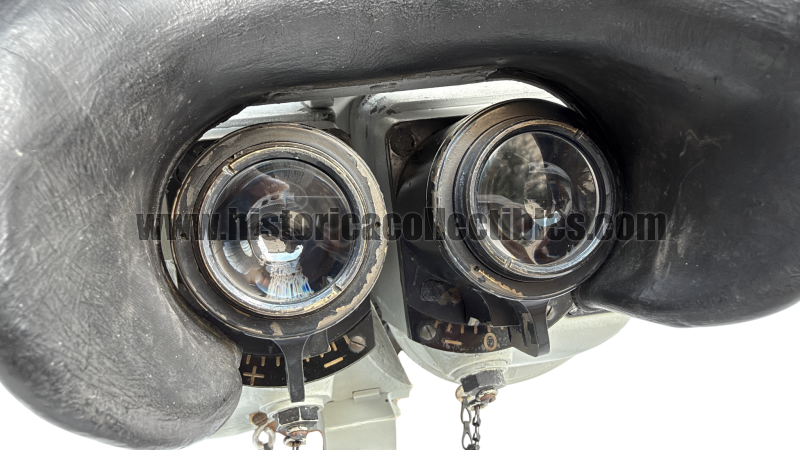
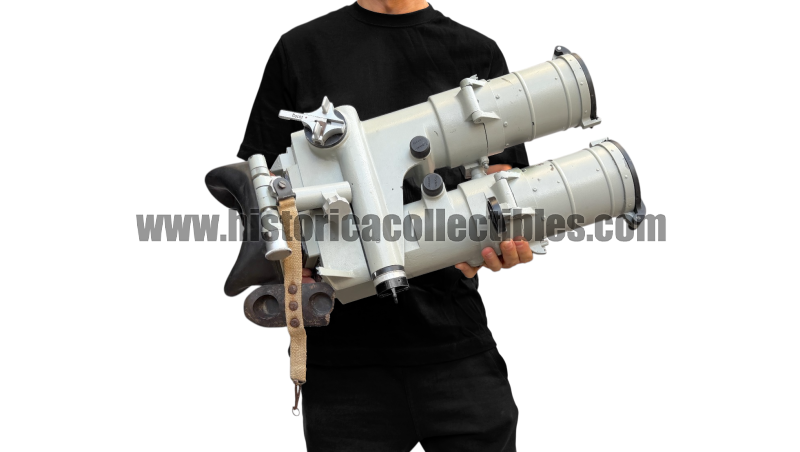
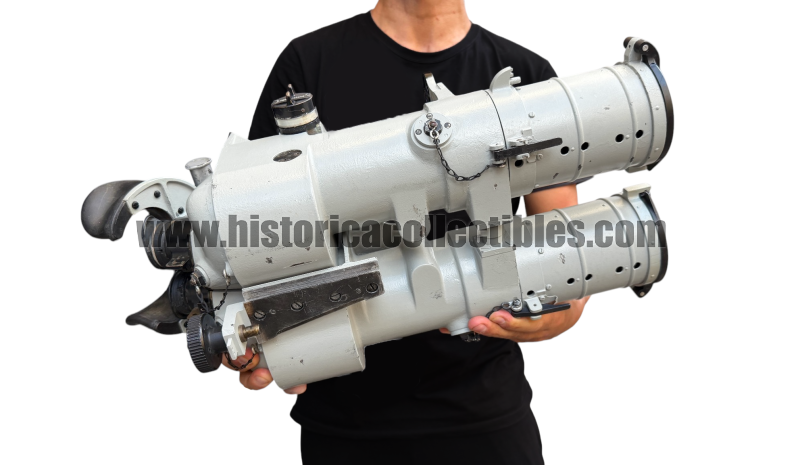
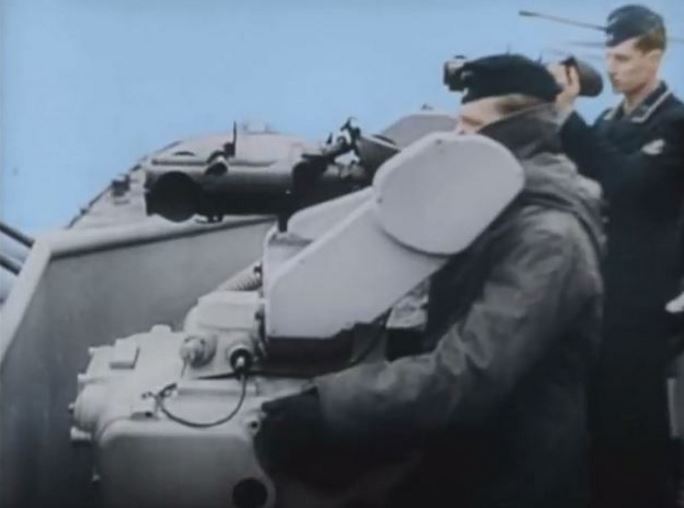
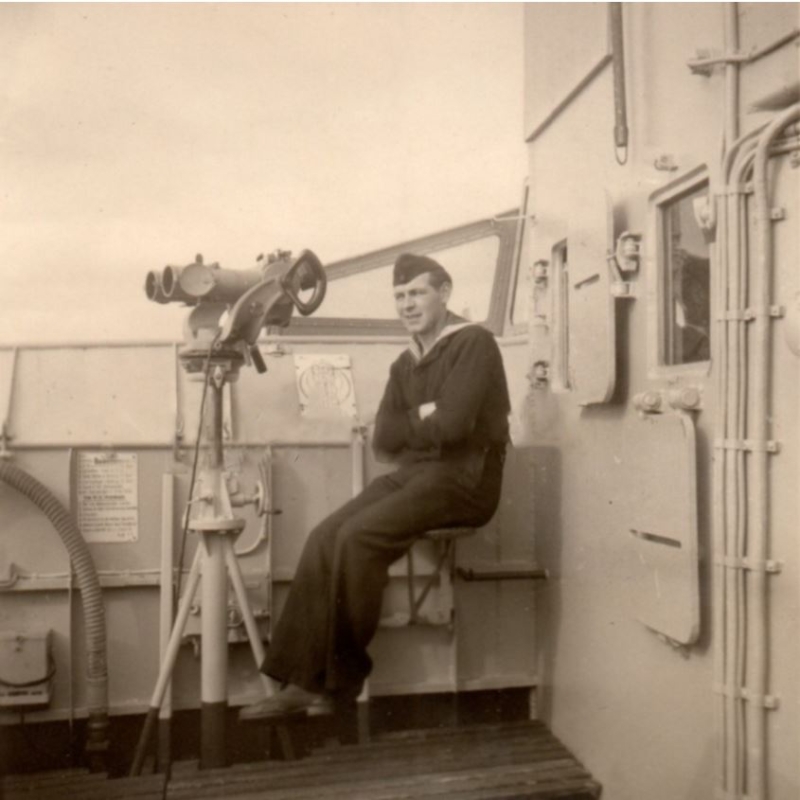
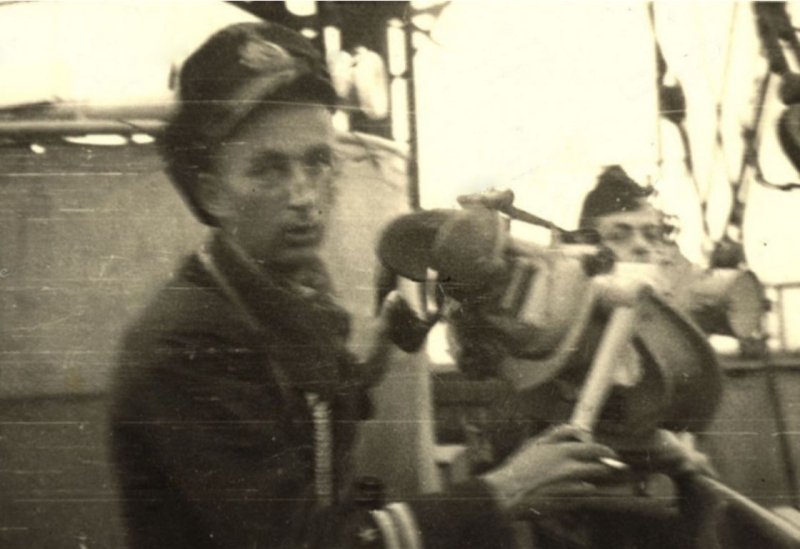
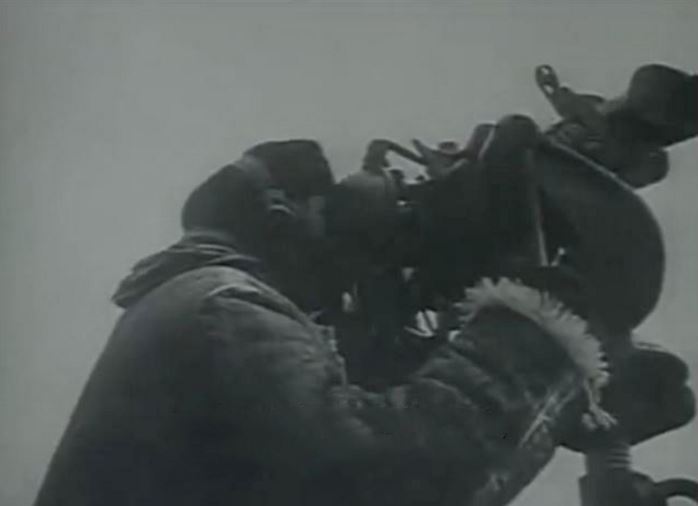
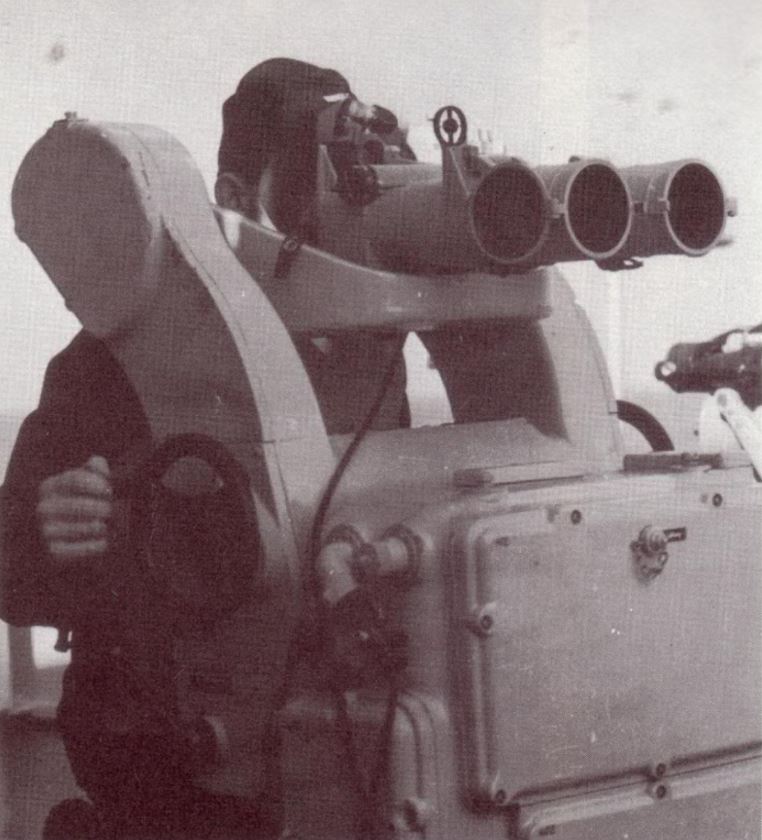
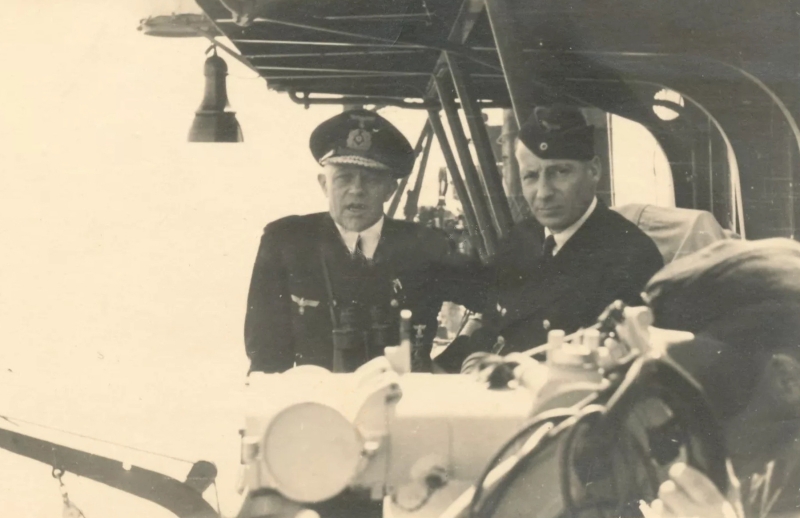
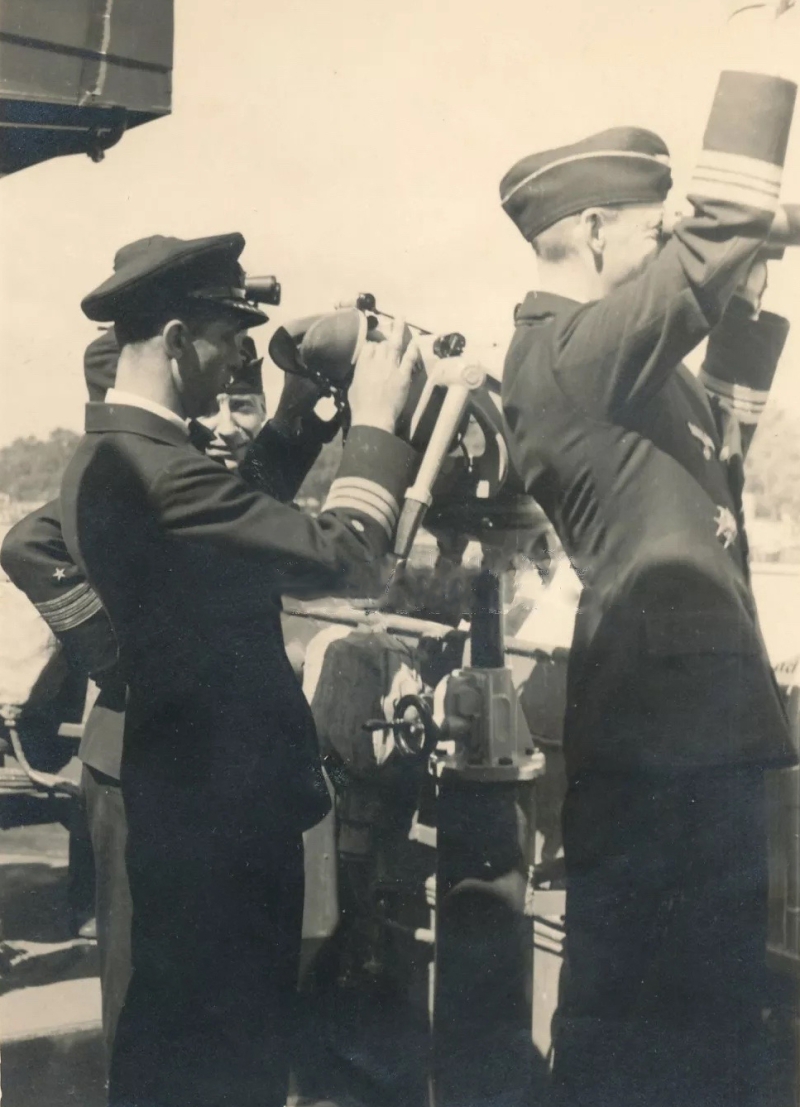
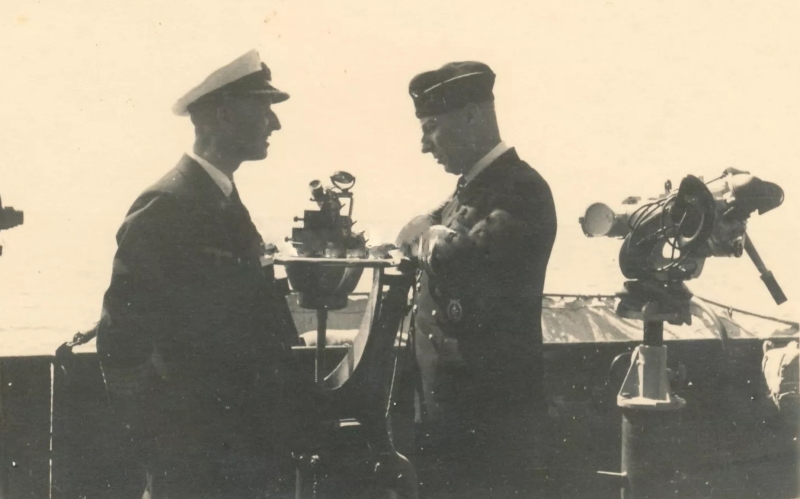
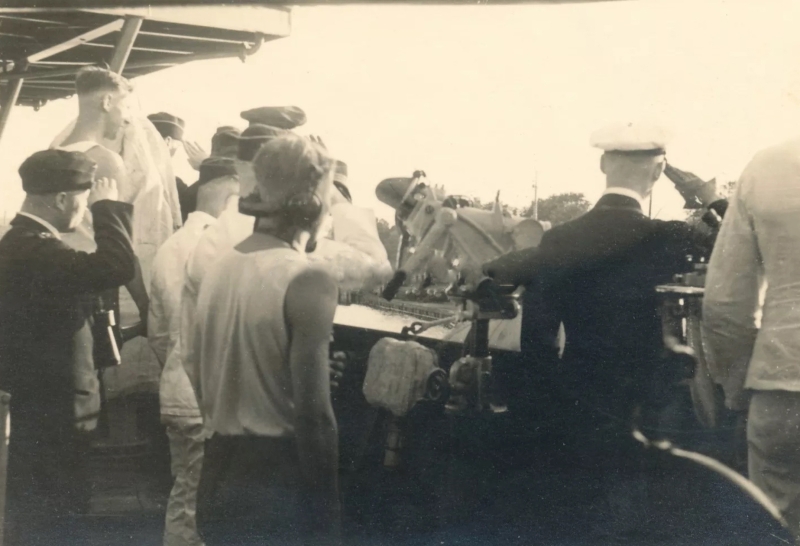
Doppelfernrohr 10x80 - 20° produced by "mlr" (Ducati) around 1944, intended for the anti-aircraft batteries installed on Kriegsmarine warships.
This doppelfernrohr was born from the need for an optic that would allow the detection of distant enemy aircraft with extreme speed and precision. Thanks to a field of view of 122 meters at a distance of 1,000 meters, as well as the 20-degree eyepiece inclination (unlike the 80-degree one of the previous version), the binoculars not only provided excellent field-of-view performance, but also provided the operator with a more natural observation position, designed to extend viewing times without easily tiring.
The binoculars are equipped with a mechanism for inserting two filters (one orange and one dark gray), allowing both daytime and low-light viewing.
Production of this improved model began in 1943, due to the pressing German military need for optics capable of performing sighting and detection tasks without the resulting problems. The structural quality of the initial models had previously compromised their full functionality in wartime conditions. It was essential to use binoculars aboard ships that were perfectly sealed against water infiltration and the resulting serious fogging of the optics.
For the aforementioned reasons, the Kriegsmarine decided to entrust the design, under license from Zeiss, for the production of the Doppelfernrohr 10x80 - 20° field of view 7° 122 meters at 1000 meters, to three other companies, in order to optimize the watertightness. They contacted "Voigtländer & Sohn A.-G. Braunschweig" (ddx), "Optische Praezisions-Werke of Warsaw" (eug), and the Italian company "Ducati" of Bologna, which was assigned the code "mlr".
It was precisely thanks to the invention of the pressurization system using two valves to introduce compressed air, designed by the Italian company Ducati in 1942, that all the problems encountered up to that point with the first production model were eliminated. Located next to the right eyepiece is the plate listing all the specifications.
The condition of preservation is excellent, the vision is perfectly clear and collimated and all the mechanisms work perfectly.
History of Ducati:
DUCATI was born on 4 July 1926 when the three Ducati brothers Bruno, Adriano and Marcello Cavalieri decided to found the Scientific Society Radiobrevetti Ducati (SSRD) in Bologna. The first product was a capacitor for radio receivers called "Manens" which was exported to 45 countries around the world. In 1928 the production of variable capacitors began, and electrolytic capacitors followed in 1932.
All these products are based on patents of Adriano Cavalieri Ducati director of the Research Division, Marcello was the Production Director and Bruno was the General Director (sales, advertising, management and finance). In 1935 SSR Ducati moved to Borgo Panigale, a town west of Bologna, to a very modern factory designed with the most advanced work organization.
On 16 July it was declared an "auxiliary factory" for the war effort by the Ministry of War. In fact the growth of the Ducati workforce was explosive: 100 in 1932, 400 in 1934, 1,500 in 1938 and 7,000 in 1940 when Italy entered the war, it reached a peak of 11,000 employees in 1943. In 1939 the Ducati brothers decided to create an optical department to produce small telescopes and devices for field telegraphy called Faini - Triulzi for the Italian Army.
The Optical Department could count on Professor Vasco Ronchi, founder and director of the National Institute of Optics based in Arcetri in Florence and from the beginning, supplies of optical components from Officine Galileo in Florence.
The calculation office was entrusted to Professor Giuliano Toraldo di Francia by the National Institute of Optics and the research work by the engineer Raffaello Bruscaglioni of the San Giorgio company in Genoa, famous Italian researchers in the field of optics. We also remember the engineer Silvio Guidarelli who would become head of the Optical Department. During the war, Ducati also produced fuses, machine gun parts, telephones and radio direction finders.