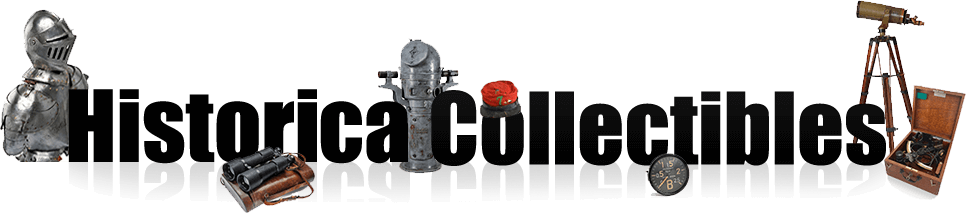
Doppelfernrohr 8x60H Carl Zeiss Jena, Kriegsmarine, 1938
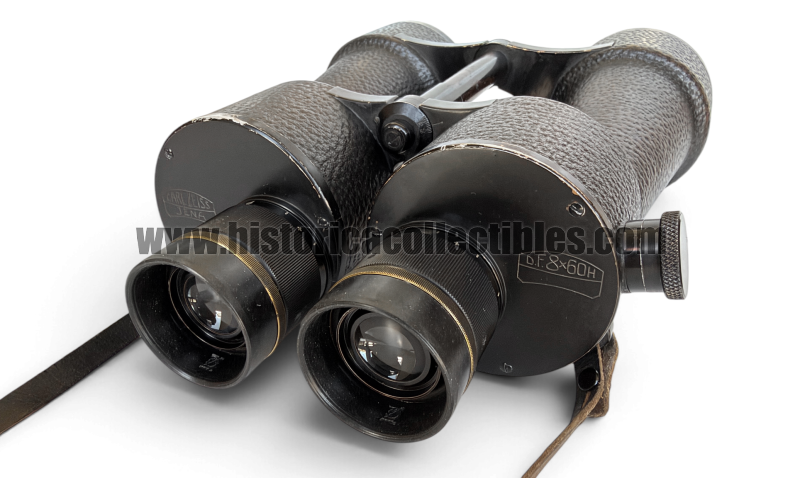
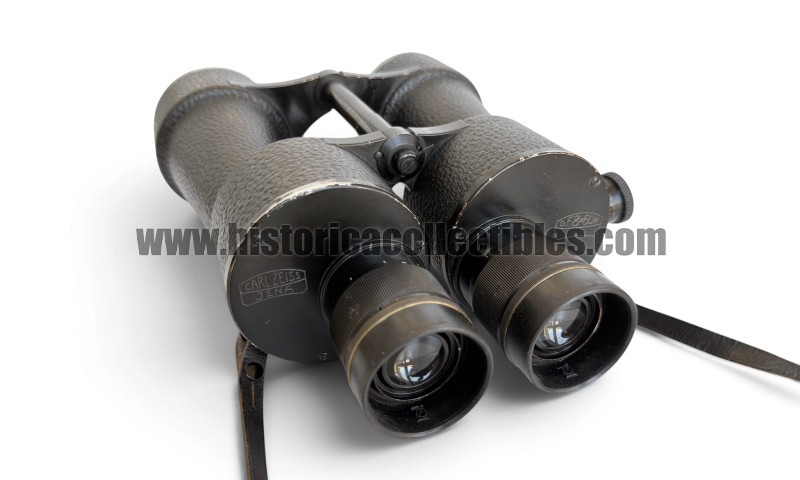
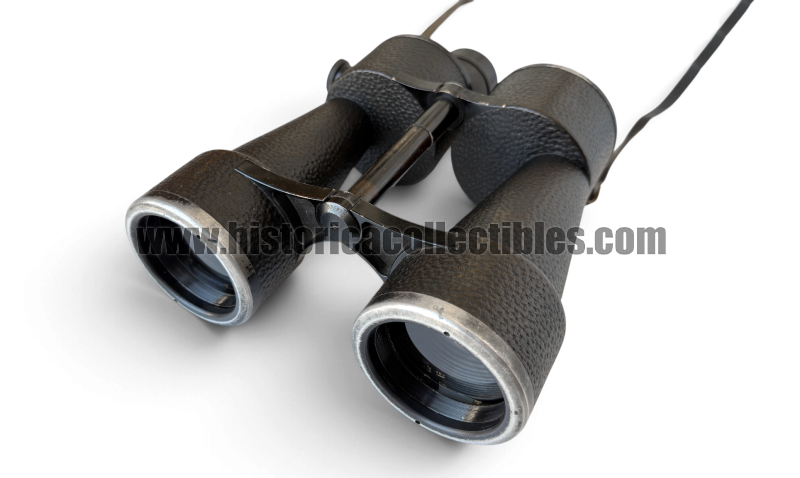
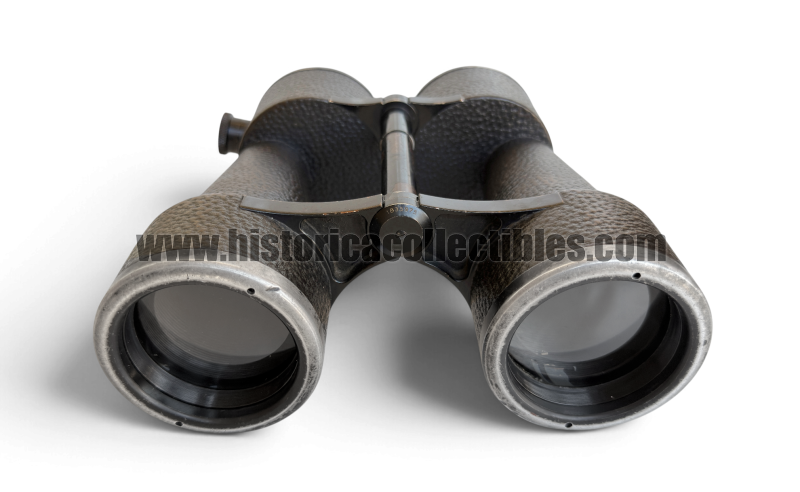
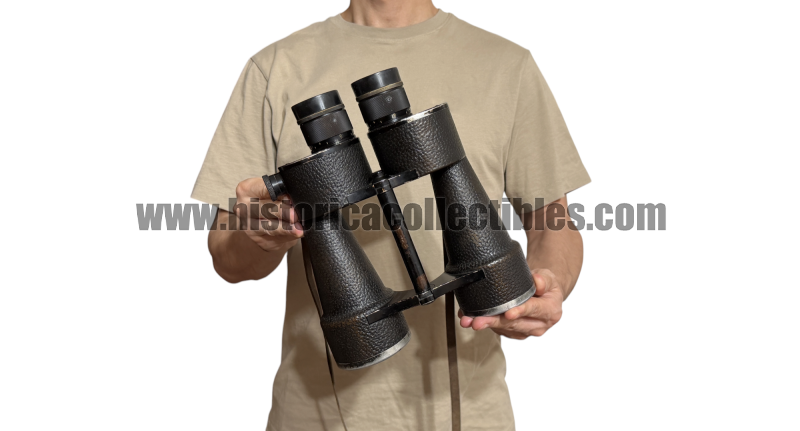

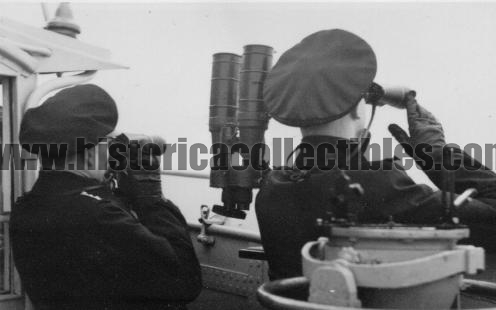
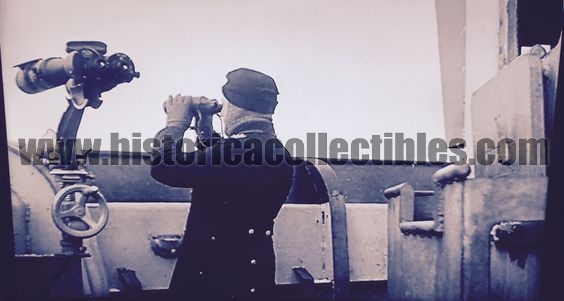
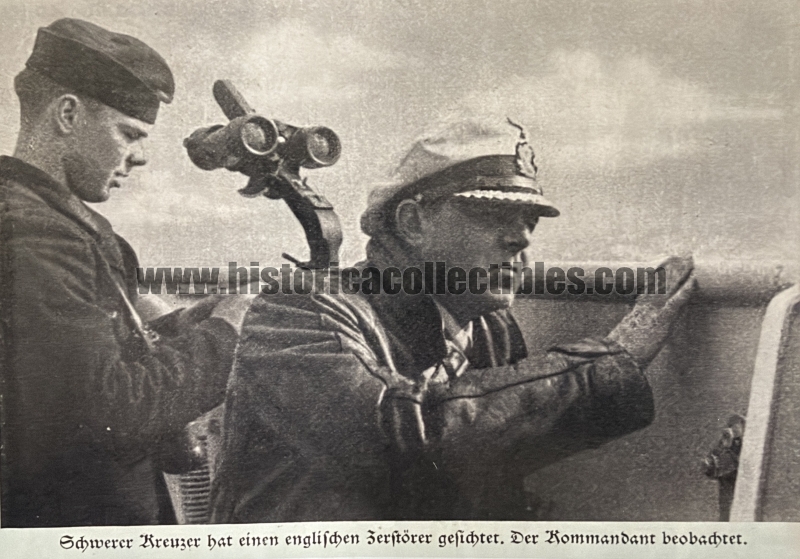
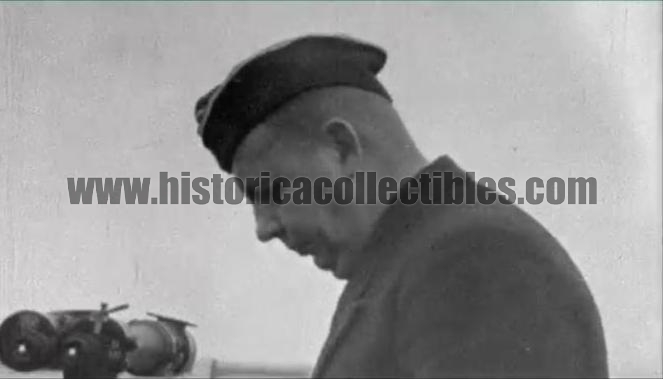
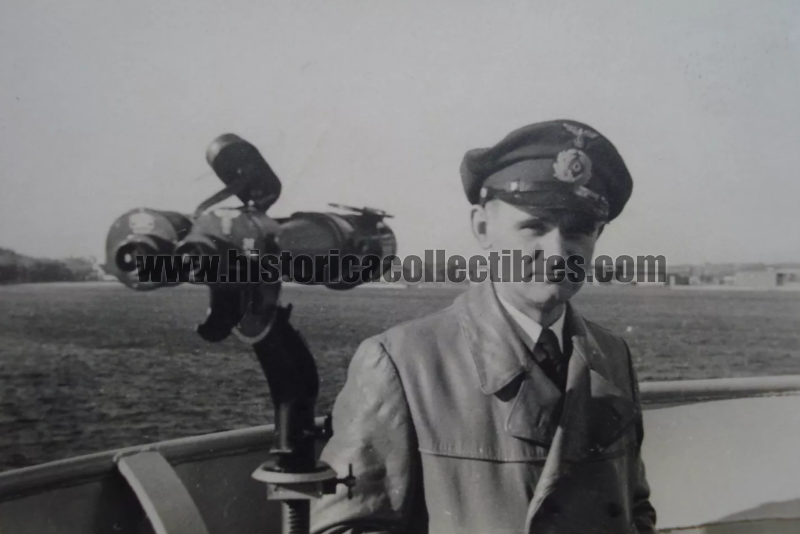
The Carl Zeiss Jena D.F. 8×60H is a high-end German military binocular, developed in the second half of the 1930s and considered one of the most prestigious portable optical instruments produced by Zeiss in the period before the Second World War. The acronym D.F. stands for Doppelfernrohr, meaning binoculars, while 8×60 identifies the 8x magnification and 60 mm objective lenses; the letter H distinguishes this particular family of binoculars, characterized by a highly sophisticated optical and mechanical configuration. Around 1938, the 8×60 H, along with the larger 8×60 models intended for fixed installations, were considered among the finest 8× binoculars available in the world, and no other manufacturer, other than Zeiss, had anything truly equivalent. The 8×60H stood out above all for its remarkable brightness, high sharpness and overall image quality, characteristics that made it a particularly suitable instrument for military use and for observation in low light conditions.
Production was limited and today original examples are extremely difficult to find. This example, with serial number 1835975, belongs to a small series of 50 examples produced. This variant is designated as a second design with night-time reticle illumination. The binoculars have a feature that can only be traced back to this model, namely that the circumference of the objective tube is increased. In the right eyepiece there is a particular grating, found until now only on this model, useful for evaluating the distances and apparent dimensions of the objectives.
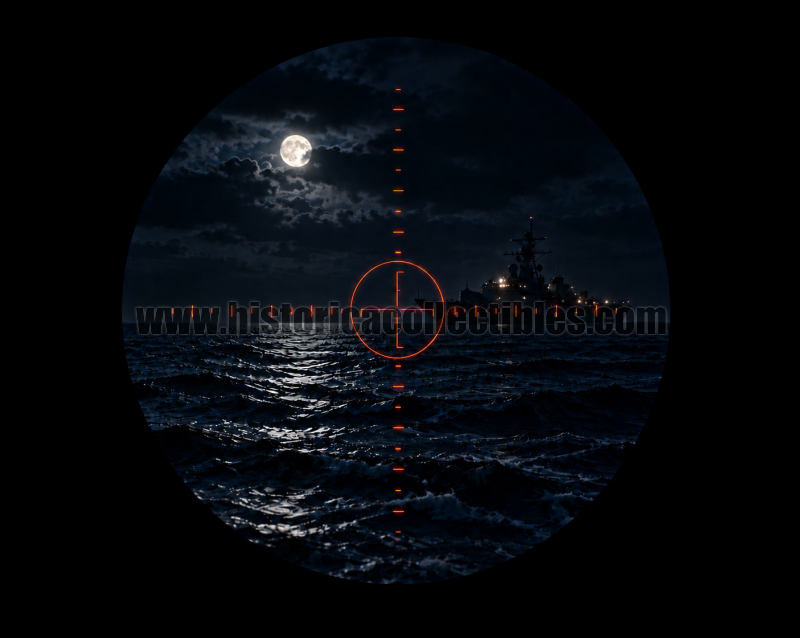
This Doppelfernrohr 8x60H is given a field of view of approximately 154 meters at 1,000 meters. The night illumination system made it possible to make the reticle visible in low light conditions. A red filter made it extremely visible in low light conditions.
On many surviving examples this equipment is incomplete today: in this specific example it is perfectly preserved and the closing cap is also present.
Numerous variations of the 8×60H were made during production. The original shape lacked night lighting and did not have external supports for the shoulder strap.
The differences between the various 8×60H models were not necessarily limited to the immediately visible elements, but also to the technical and constructional aspects of the internal components. The wide variety of construction makes a rigorous classification difficult: before more models with night lighting became known, collectors tended to distinguish primarily the "stepped" versions from the "smooth tube" ones, while examination of a larger number of instruments revealed a surprising number of intermediate configurations.
From a historical and technical perspective, the 8×60H occupied an almost unique position. In the second half of the 1930s, Leitz produced an 8×60 with a Porro I design, while Busch also had a Porro I 8×60; Leitz's Porro II family included a 12×60, but did not produce an equivalent Porro II 8×60 before 1944-45.
A Zeiss brochure for military models also indicated the possibility of equipping the binoculars with a central control capable of simultaneously adjusting both eyepieces, but specified that this solution was only available upon request; it is also considered unlikely that 8×60H binoculars with this device were actually produced. There is no record of a civilian version of the D.F. 8×60, although some monoculars based on the same concept were built.
Today, all versions of the Zeiss 8×60H are extremely rare and sought after by military optics collectors. Their appeal stems not only from their rarity, but also from their combination of optical quality, mechanical complexity, and particularly elegant design. The H series has become so legendary that no other model with comparable features has ever been produced. James Wilkie is also quoted as saying that the two H models are among the most aesthetically successful and finest binoculars ever made. For their sharpness, image quality, brightness, and build quality, the Zeiss 8×60H represents one of the pinnacle of portable binoculars of the era. Due to its rarity and the numerous variants produced in very limited quantities, it remains one of the most sought-after models among Zeiss collectors and historic military optics enthusiasts.
This exact Doppelfernrohr 8x60H, serial number 1835975, published on pages 443 and 444 of Hans T. Seeger's "Green Book" "Zeiss Hand-held Lenses 1919-1946," has been reassembled over time, replacing the original parts it was missing (Zeiss CZ rubber eyepieces, a carrying strap specific to 8x60 models, and an illuminator cap).
Furthermore, a chip in the right prism does not affect the view in any way, as it is outside the reflective field.
Carl Zeiss takes its name from its founder, Carl Zeiss, who on November 17, 1846 chose the small town of Jena, in Thuringia, as the location for his precision optical equipment factory. Thanks to the severe quality control that Carl Zeiss imposed on his products, going so far as to personally destroy the microscopes that did not pass the tests, the newly formed Zeiss became the official supplier of the University of Jena and received the gold medal of the industrial exhibition in 1861 of Thuringia as the best research instrument produced in Germany, awarded to the Stand I microscope of 1857.
In 1866 the thousandth microscope was produced and the name Zeiss became known throughout European scientific circles. Thanks to studies on the Porro prism, in 1893 Abbe patented double prism binoculars, which accentuated the perception of depth. The mass production of Zeiss binoculars began in 1894, already at the beginning of the twentieth century more than 30,000 were made, at the beginning of the First World War the quota had risen to 500,000 and, at the end of the Second World War, as many as 2,260,000 were produced binoculars for the civil and military market.
Models were made starting from 4x11 mm to 12x40 mm, up to real giants such as the 80 mm and 100 mm. Thanks to studies conducted on the perception of light in low light situations, it was demonstrated that the average dilation of the pupil in an adult is approximately 7 mm.
For this reason, the 7x50 mm model was introduced in 1910 and remained on the market until 1917 with few changes to the materials used. In 1926, following the post-war crisis of the First World War with the Treaty of Versailles which bankrupted many important German companies, Zeiss purchased "C.P. GOERZ" and founded Zeiss Ikon in 1926.
In 1937 Zeiss had commercial contacts and factories in more than 29 countries around the world. From '33 Zeiss acquired interest from the Nazi regime, which balanced production towards military instruments. It successfully produced binoculars with wide-angle optics for military use, pressure-resistant optical systems for U-boats, periscope binoculars for targeting tanks. Furthermore, Zeiss cameras were mounted on the V2s for remote sensing operations of the English coasts.
On 1 November 1935, Zeiss, in the figure of Alexander Smakula, patented a process for the treatment of optical glass with extraordinary results in terms of light transmission. Remained a military secret until 1939, it was adopted on binoculars to reduce ghost images and internal reflections.
During the Second World War, there were numerous bombings against the Zeiss factories. Jena was bombed several times by the Allies starting in 1944. Stuttgart was razed to the ground, although the Contessa-Nettel factory suffered little damage. The bombing of Dresden, in addition to devastating the city, also caused considerable damage to the Zeiss Ikon headquarters. On April 13, 1945, American military forces entered Jena, surprising themselves that the bombing had not caused any significant damage. The main planetarium was in ruins, while the factories remained operational.