Scherenfernrohr BMK (Srb&Stys - Prague) Camouflage Heer, Waffen ϟϟ, Fallschirmjager, circa 1944
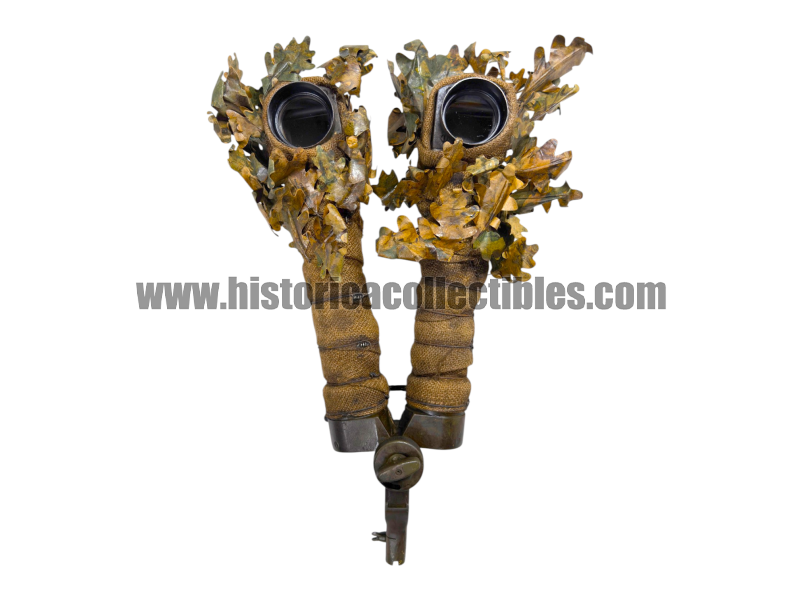
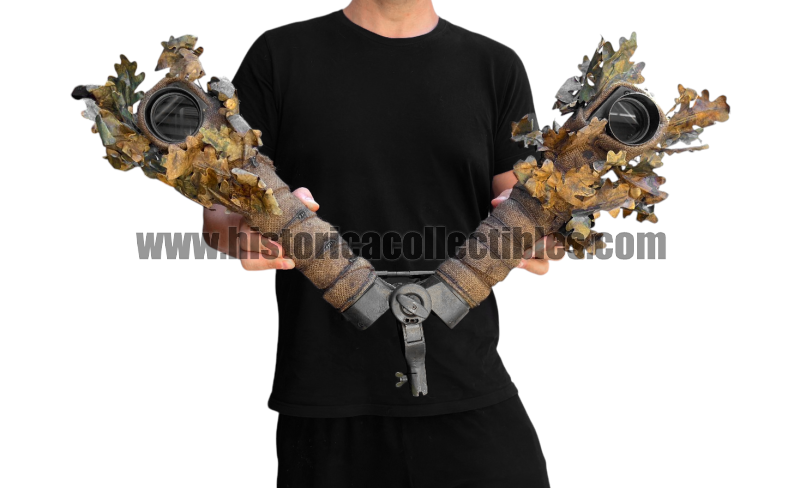
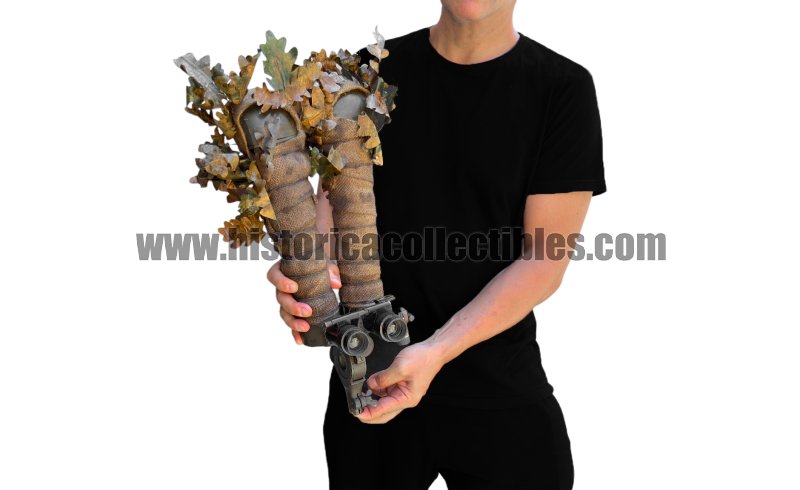
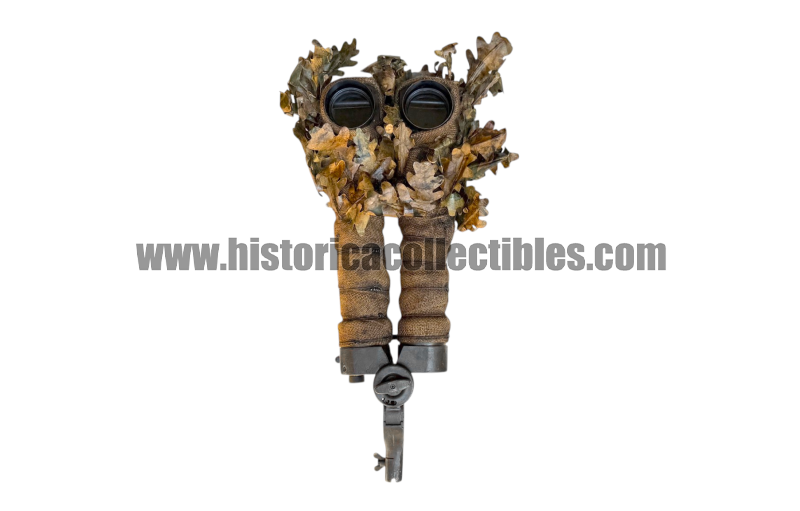
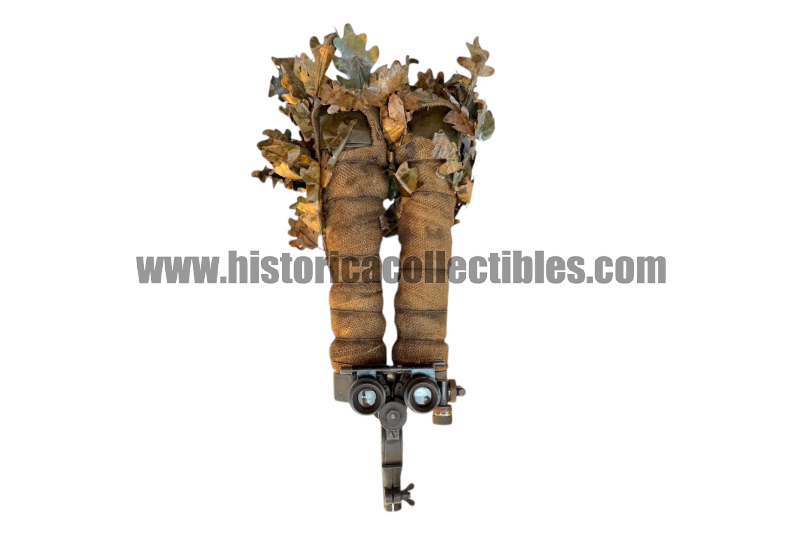
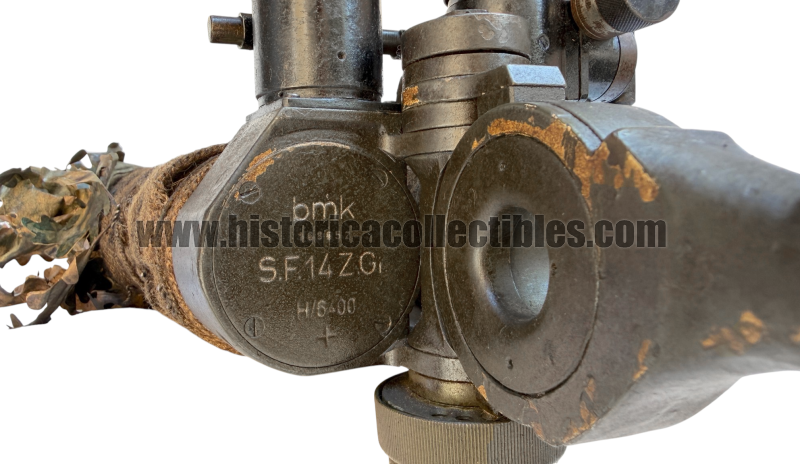
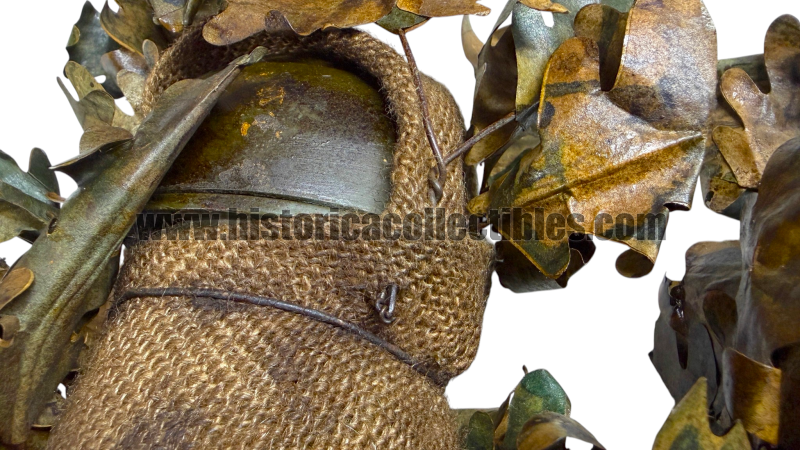
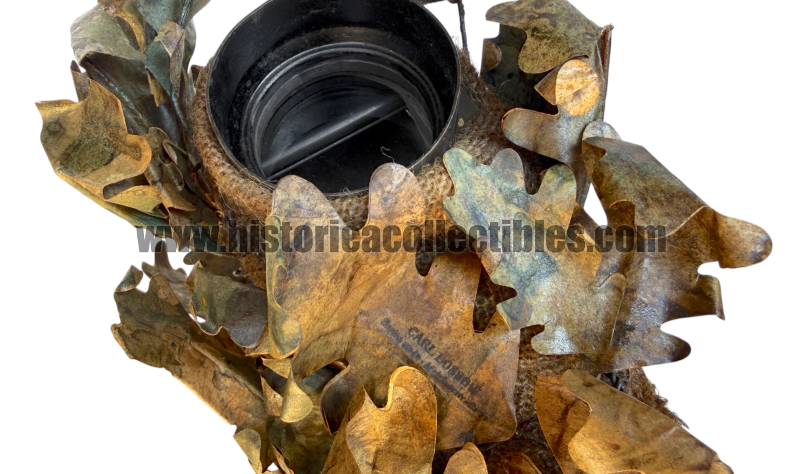
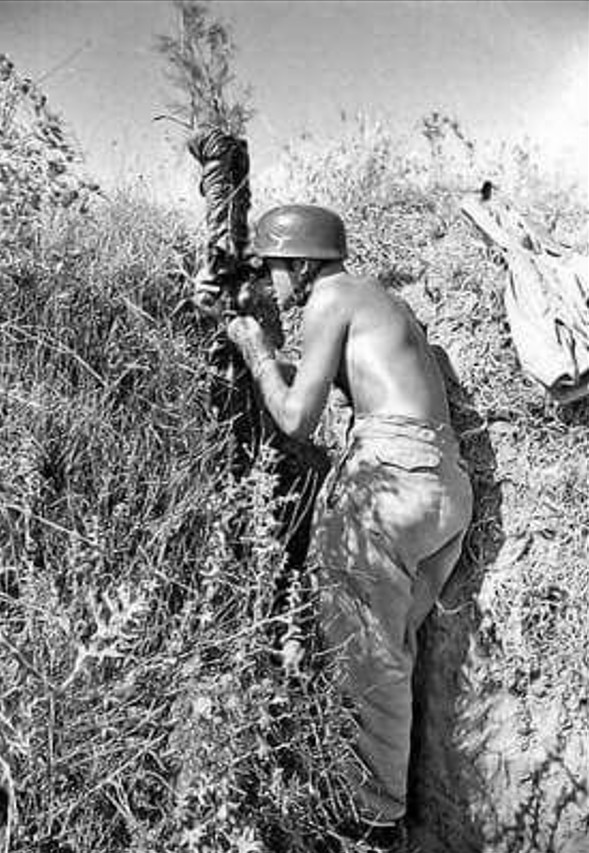
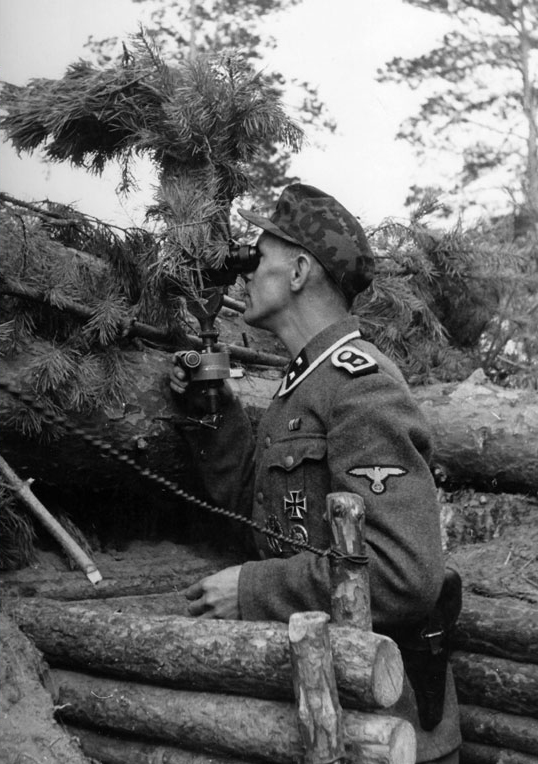
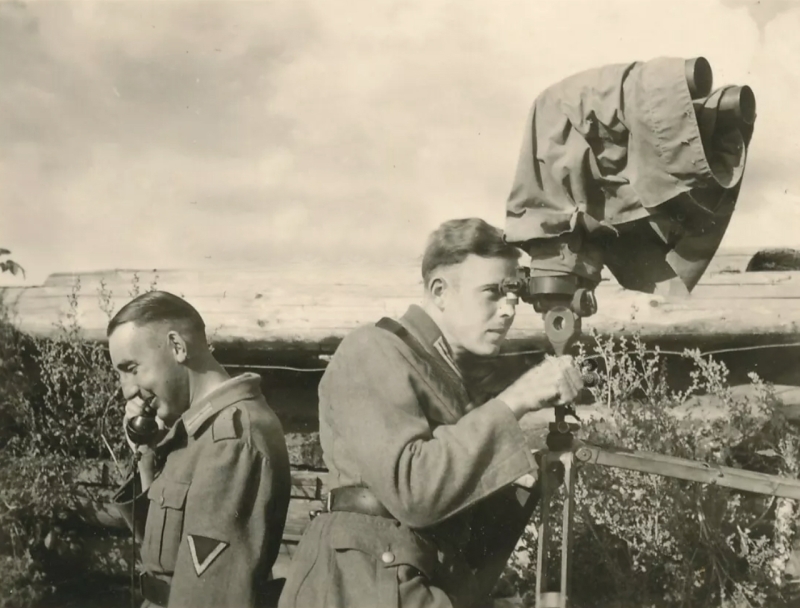
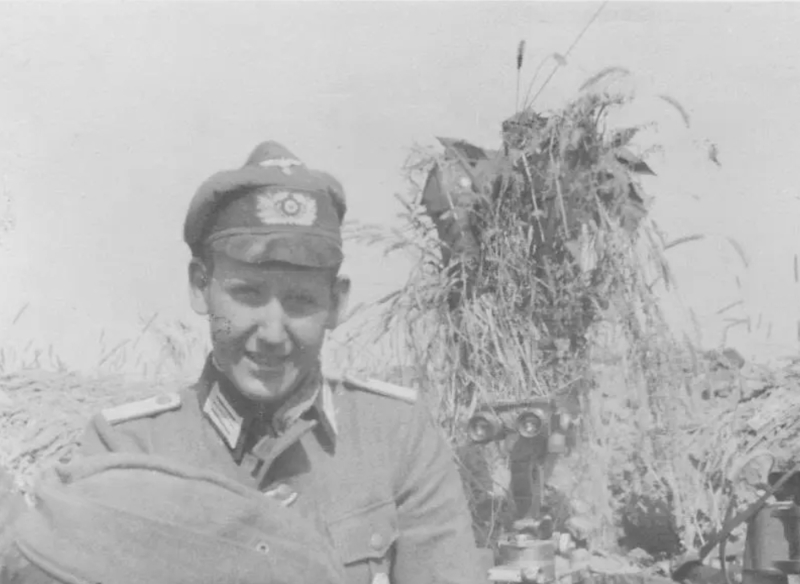
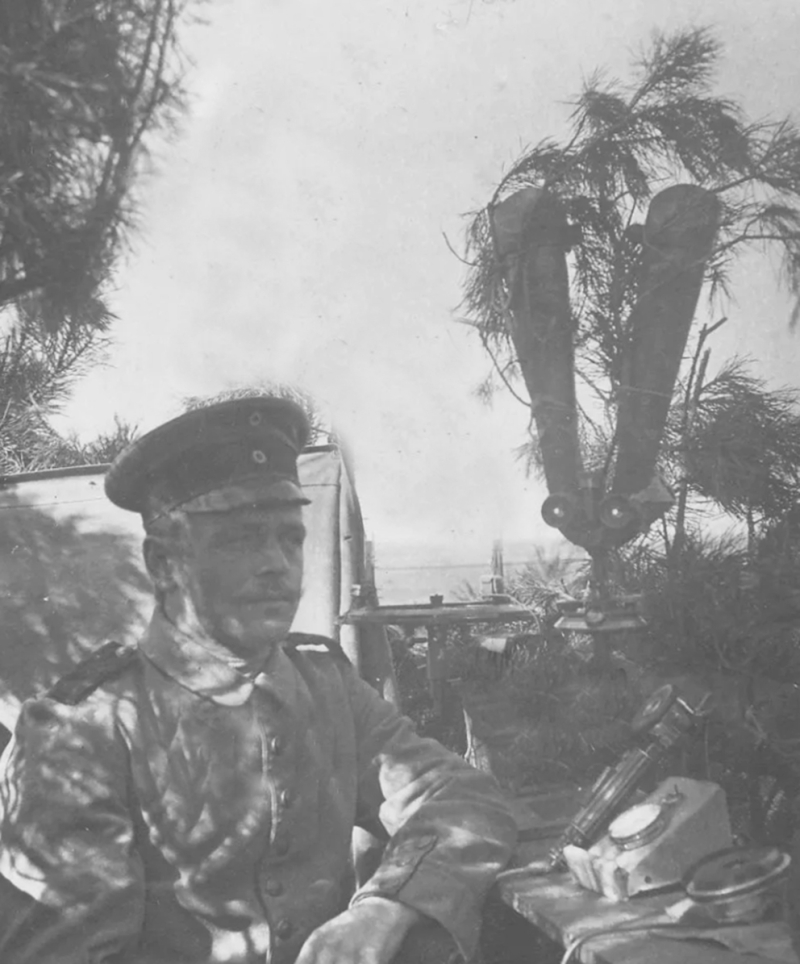
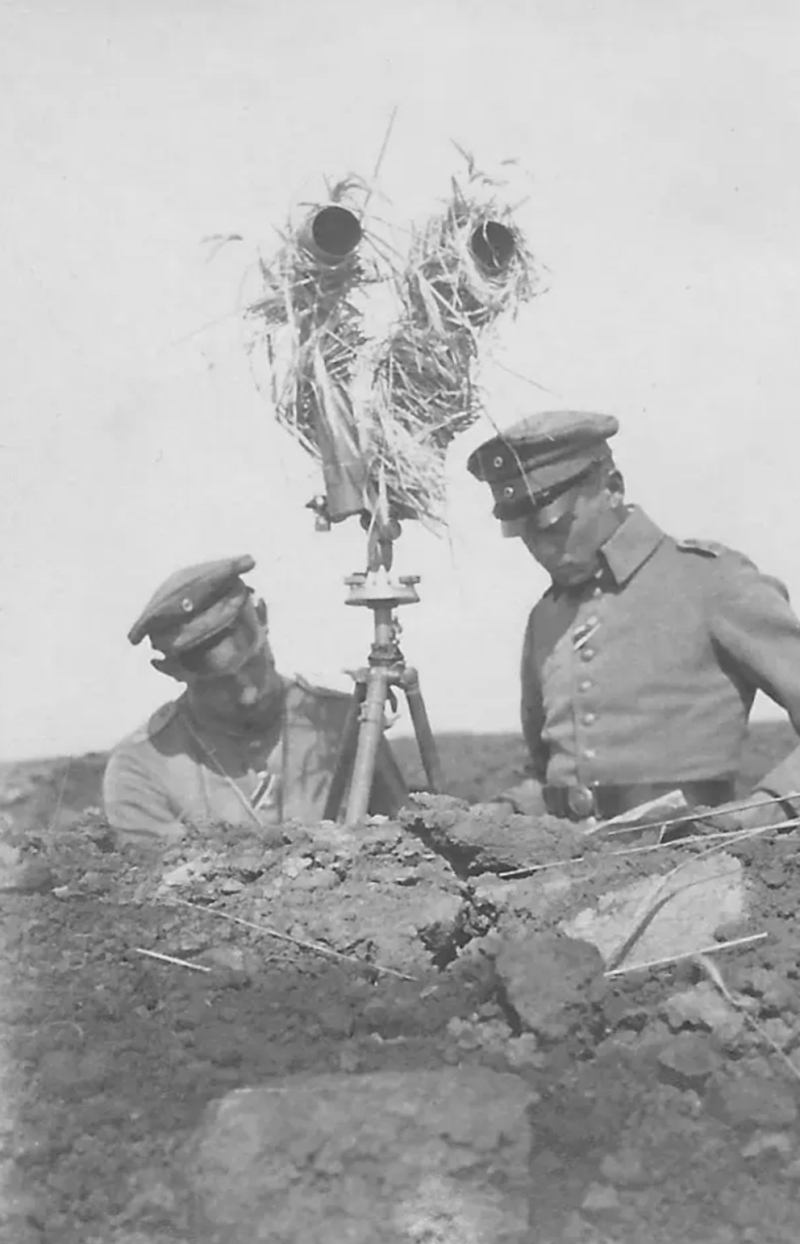
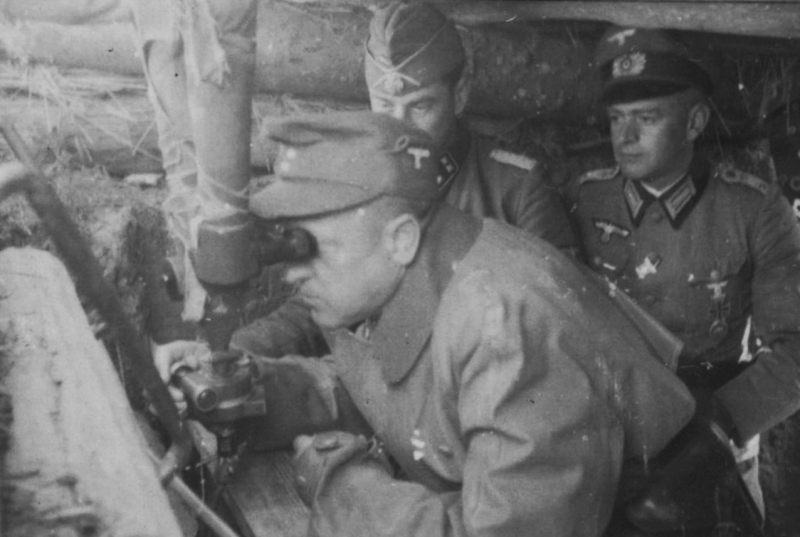
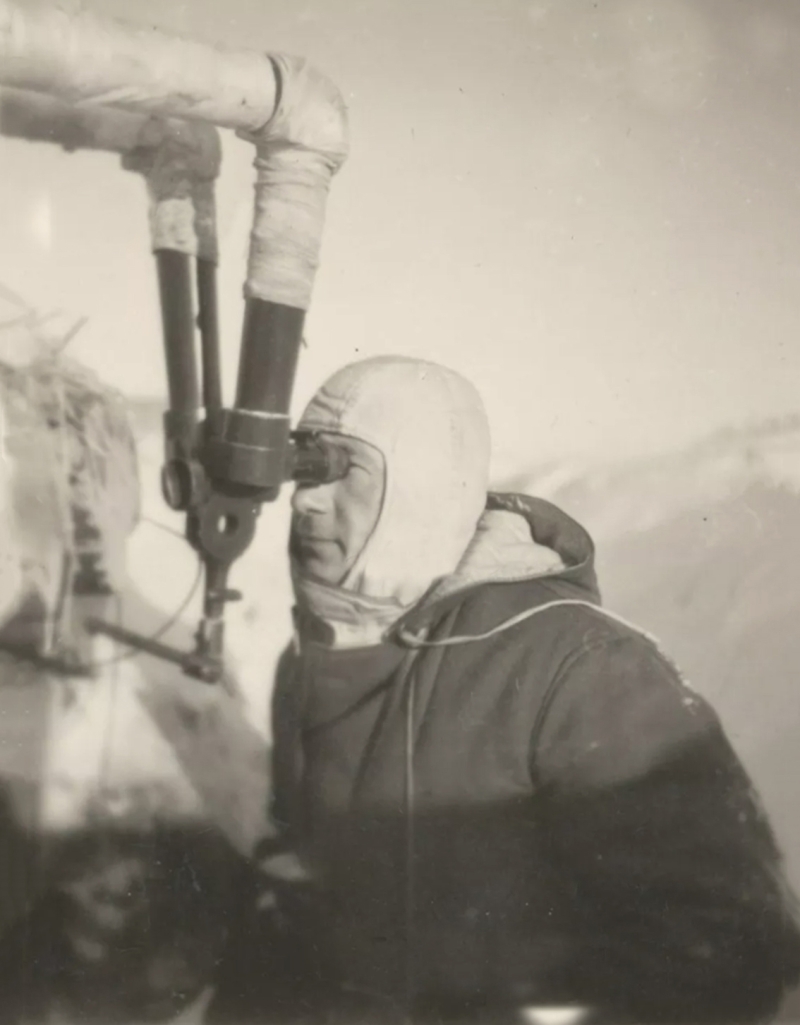
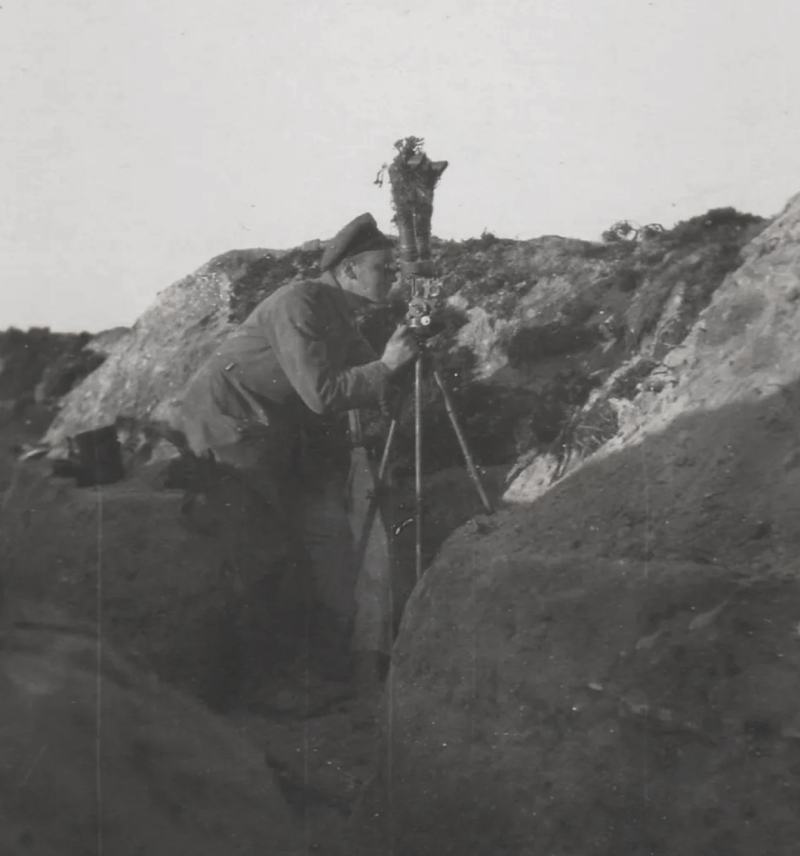
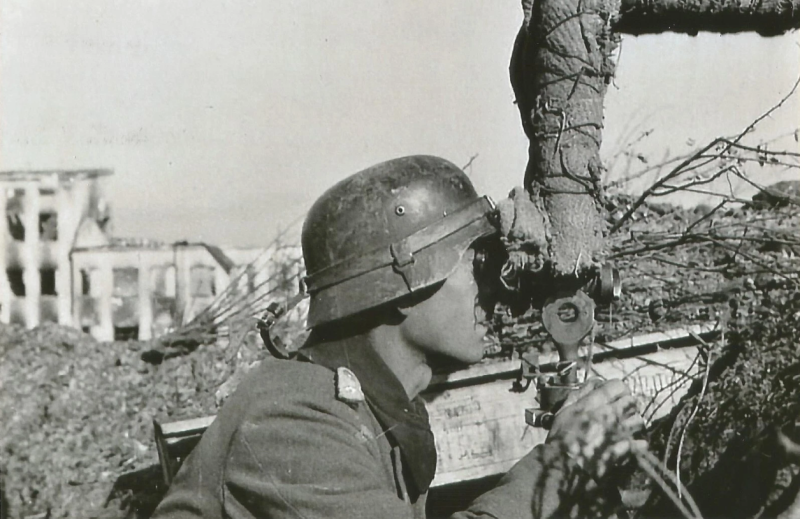
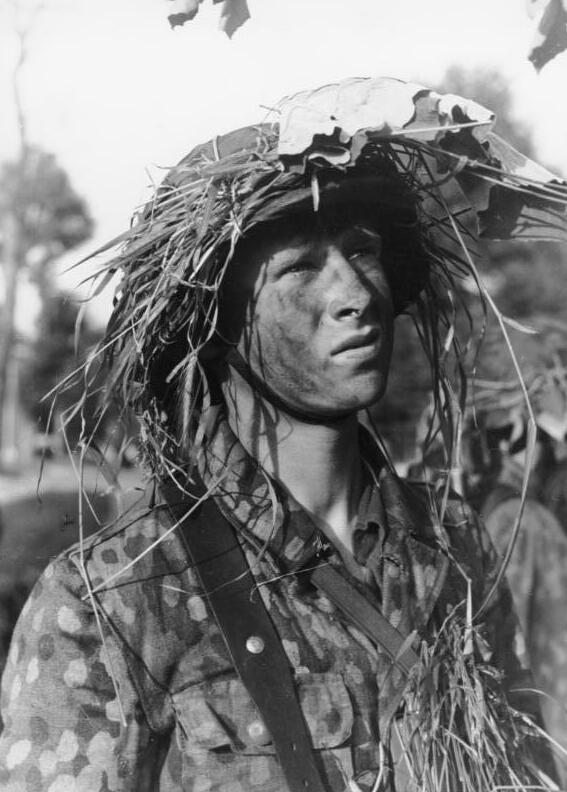
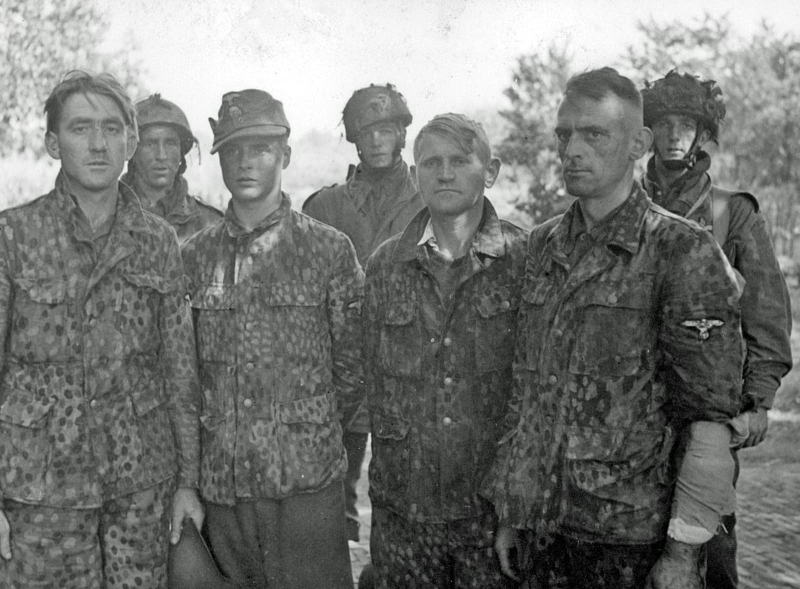
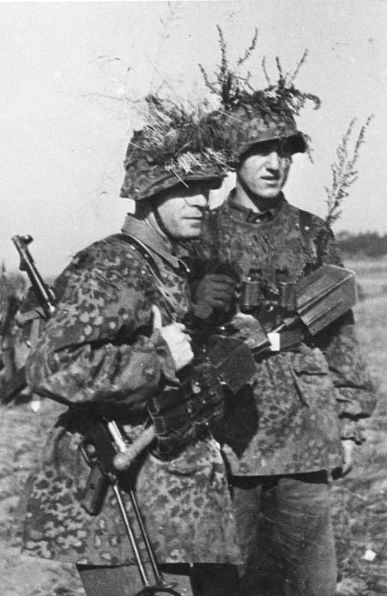
Scherenfernrohr Camouflage model S.F. 14 Z., produced around 1944 by BMK (Srb&Stys Fabrik Präziser Messinstrumente, Prague, Czechoslovakia), issued to the advanced and operational units of the Heer, the Waffen-ϟϟ, and the Fallschirmjäger.
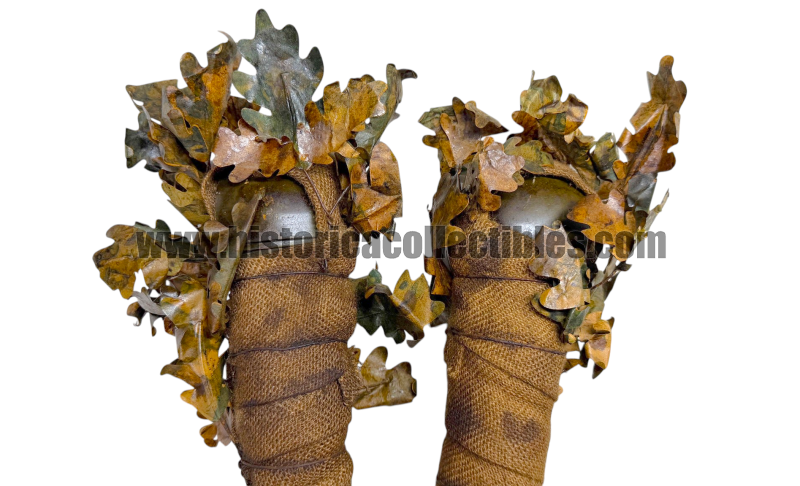
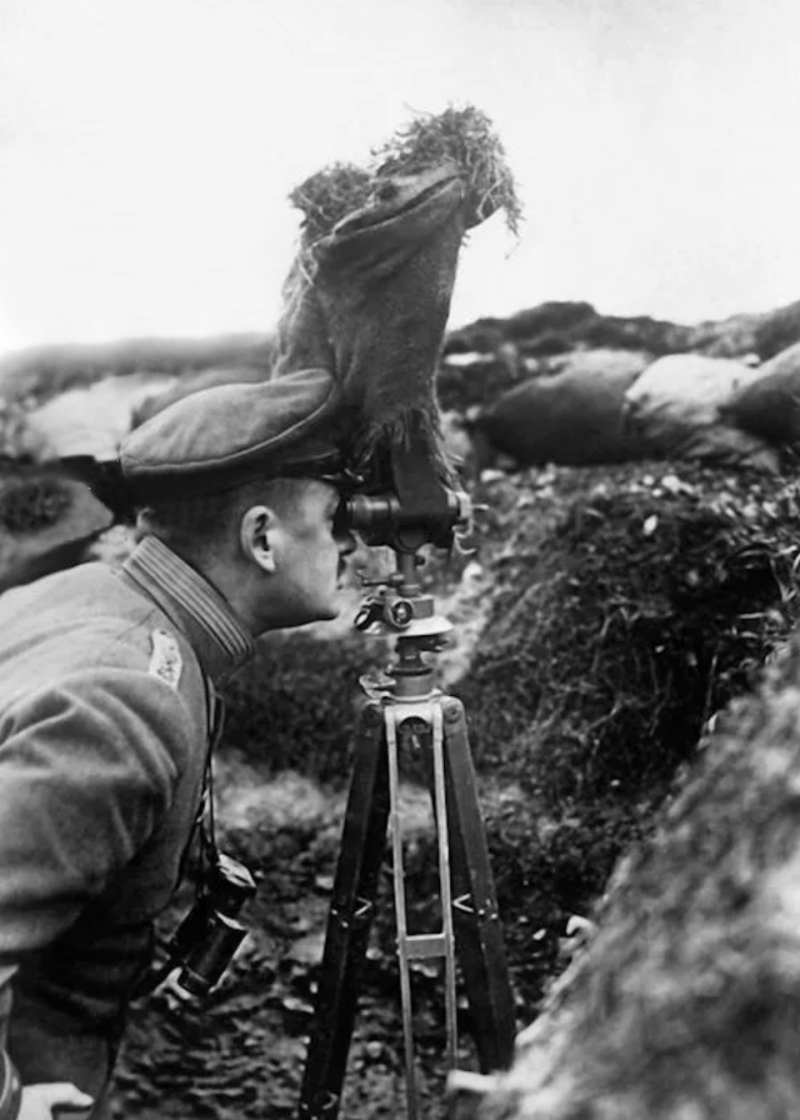
This specimen retains its extremely rare original regulation-type camouflage pattern. Each group of artificial leaves bears the "Carl Lossow" mark, identifying the company responsible for producing and supplying this unique material, intended for the camouflage of optical instruments and observation posts.
Each leaf, arranged in groups of at least three elements and secured with a sophisticated metal wire weaving system, features a sophisticated polychrome palette of green, brown, and yellow, designed to faithfully reproduce natural vegetation. The leaves are made of thick paper/cellulose and retain, where still present, the original semi-transparent protective treatment, applied to increase their resistance to atmospheric agents, particularly humidity and rain, thus preserving their camouflage effectiveness over time.
This combination ensured exceptional concealment in the surrounding environment. The body of the Scherenfernrohr is also completely covered with a special fabric covering, to which the groups of artificial leaves are attached with thin metal wires that ensure a perfect and long-lasting fit, making the entire instrument extremely difficult to detect on the ground.
The Scherenfernrohr was originally painted in the characteristic "Afrika" or "Continental Yellow" color; subsequently, most likely still at the production plant or in a military outfitting centre, it was repainted and given the special camouflage covering which is preserved today.
This unique configuration allowed the instrument and its observer to conduct reconnaissance while maintaining maximum concealment. The presence of the leaf clusters exclusively on the upper portion suggests that the periscope was used from protected positions, such as trenches, underground shelters, or behind natural obstacles, allowing only the instrument's optical heads to emerge, thus minimizing the possibility of enemy detection.
The optics offer a clear and collimated view. The micrometer mechanism, whose toric level has the broken bubble, bears the manufacturer's code "bmj," meaning Hensoldt of Wetzlar. This characteristic demonstrates how, especially in the final years of the war, German optical and mechanical industries frequently exchanged components and collaborated to overcome the growing supply difficulties imposed by the wartime economy.
All mechanisms are in perfect working order, confirming the excellent state of preservation of this rare and significant military observation instrument.
The company was founded by Jaroslav Srb (1892 - 1967) who began his studies in the optical field at the Technical University of Prague.
During the First World War he worked at Zeiss where he met the optical mechanic Josef Stys (1899-1850) who became a partner and was a designer and optician of their company which they later called Srb & Stys.
The company, founded on 11/21/1919, had, among its first projects, the repair of microscopes and the production of micro lamps. Srb&Stys was based in Kavalirka, at the XVII of Kosire. Just a few months after their opening they dedicated themselves to the production of optical equipment for Geodesy, Astronomy and Meteorology.
In 1921, the Czechoslovakian Department of Defense commissioned Srb&Stys to supply theodolites. For the Ministry of Education they produced microscopes which mounted Zeiss optics.
In 1924 they created their own laboratory dedicated to the process of "polishing" lenses. In 1937 the company moved to a large building in front of their now old factory. They had 300 workers who were employed in grinding lenses.
Srb&Stys supplied telescopes and binoculars to the Turkish Army, telescopes to the Yugoslav Army and surveying instruments to Greece. Jaroslav Srb and Josef Stys founded "Romanian Czechoslovakian Optics" as a subsidiary of their Prague-based Srb&Stys, Romania.
In 1937 the company had 860 workers and was at its peak development and was thinking of expanding its production by opening a new factory in England. In 1939, with the outbreak of the Second World War and the occupation of Czechoslovakia by the Germans, Srb&Stys saw its almost unstoppable development abruptly interrupted. During World War II the company was under full German control and fully complied with the requested supplies.
In 1940 Jaroslav Srb was arrested for sabotage and was later released due to lack of evidence but was strictly forbidden to enter his factory.
In 1945 Jaroslav Srb and Josef Stys decided to abandon the production of military optical equipment to dedicate themselves exclusively to the production of binoculars, microscopes and theodolites for the civilian market.
In May 1945 "The Revolutionary Works Council" attacked Srb&Stys by placing it under commissionership and making it available "to the people". The company had more than 500 employees and was placed under state control and was renamed "Meopta".
During the communist revolution in February 1949, Stys was unreasonably arrested and died shortly after his release in 1950.
In 1963, in a drastic reorganization, the company was renamed ZPA Kosire and production concentrated on making electromechanical devices, tape memories, power supplies and optical measuring devices for CNC machines. In 1996, bankruptcy was declared.