
Spy Radio model SE109/3 Abwher/Reichssicherheitshauptamt, 1944
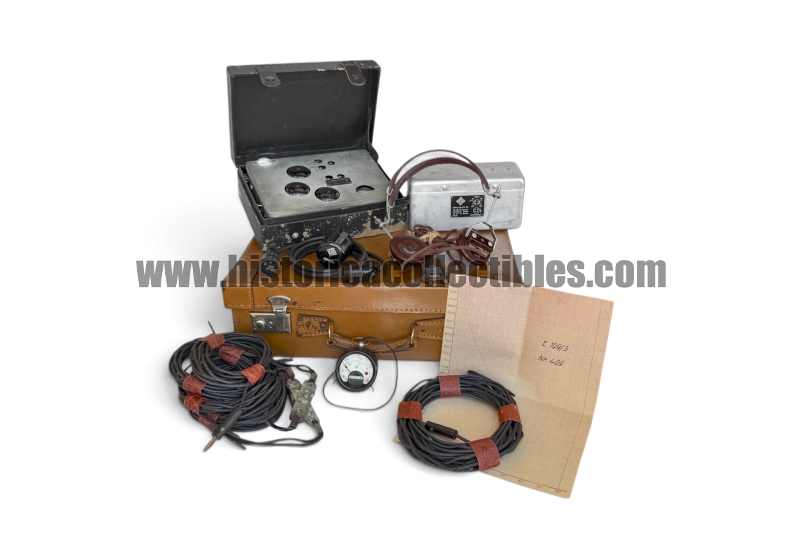
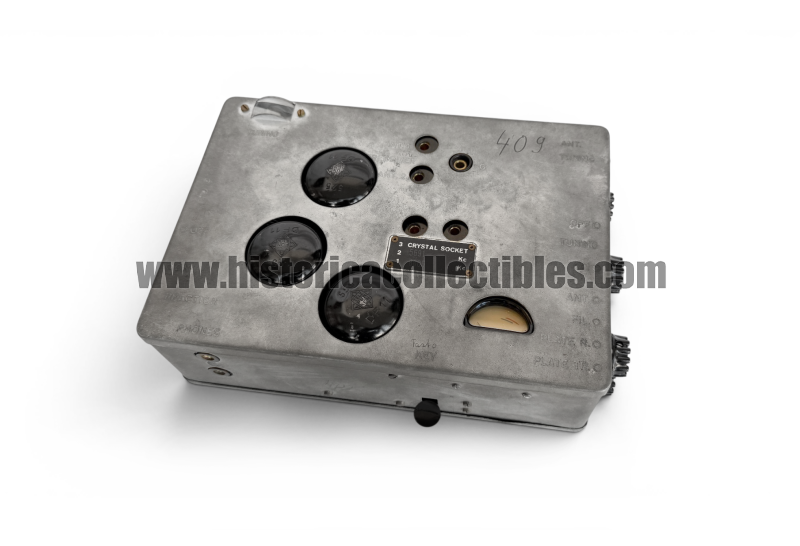
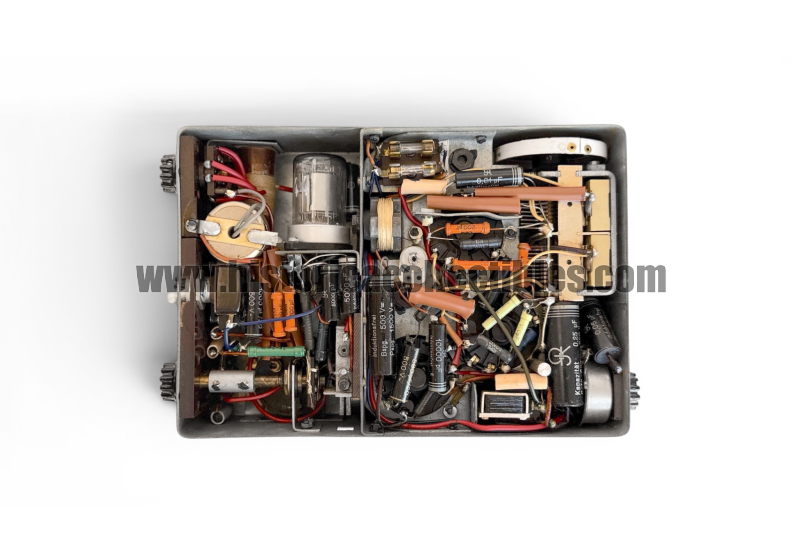
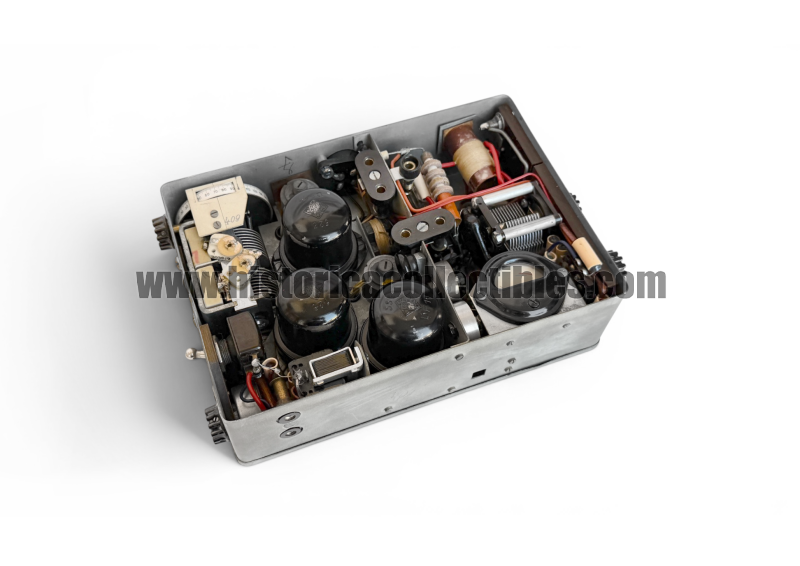
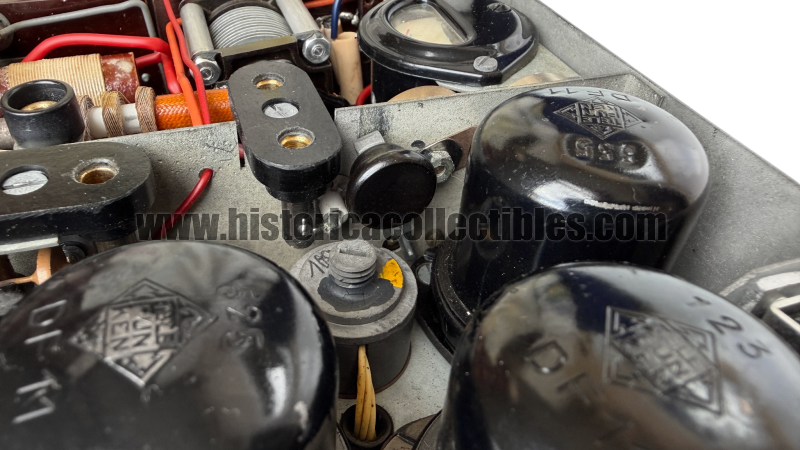
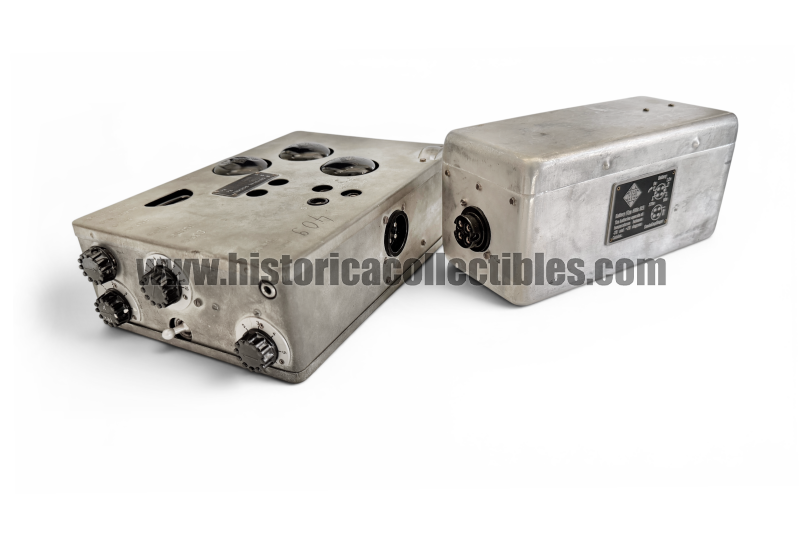
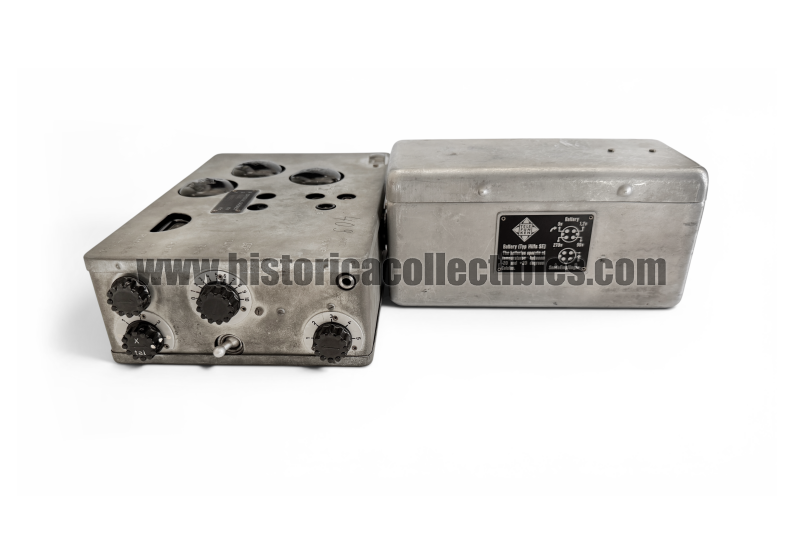
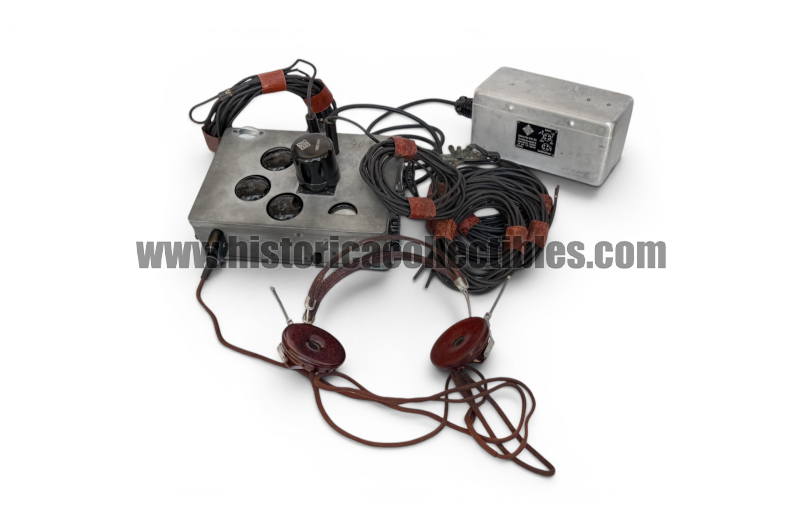
Complete radio transceiver set for a spy or secret agent serving with the RHSA - Reichssicherheitshauptamt (Reich Security Main Office under the control of the SS, an organization that unified the security services, police, and intelligence agencies, including the Gestapo, SD, and Criminal Police of Nazi Germany, performing espionage and counterespionage functions). Produced in 1944, complete and in excellent condition.
The set consists of:
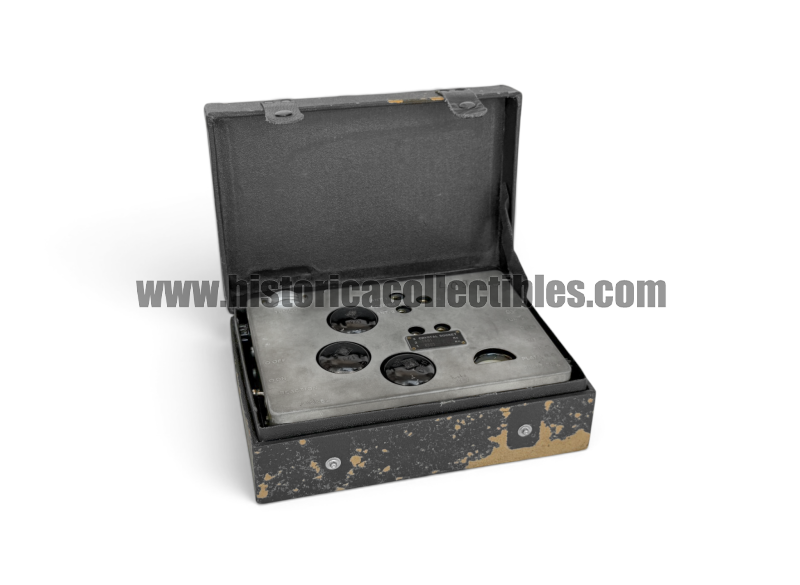
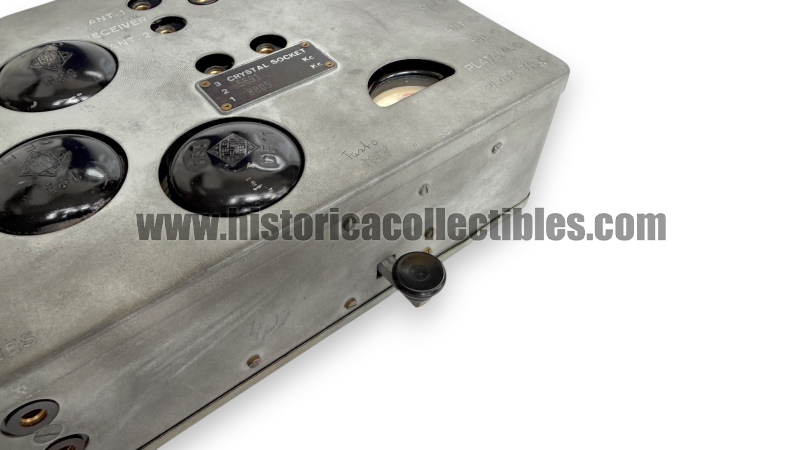
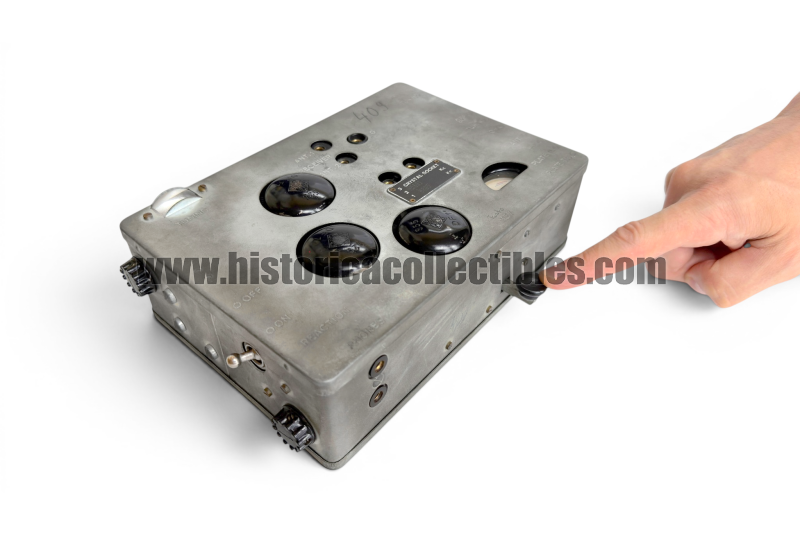
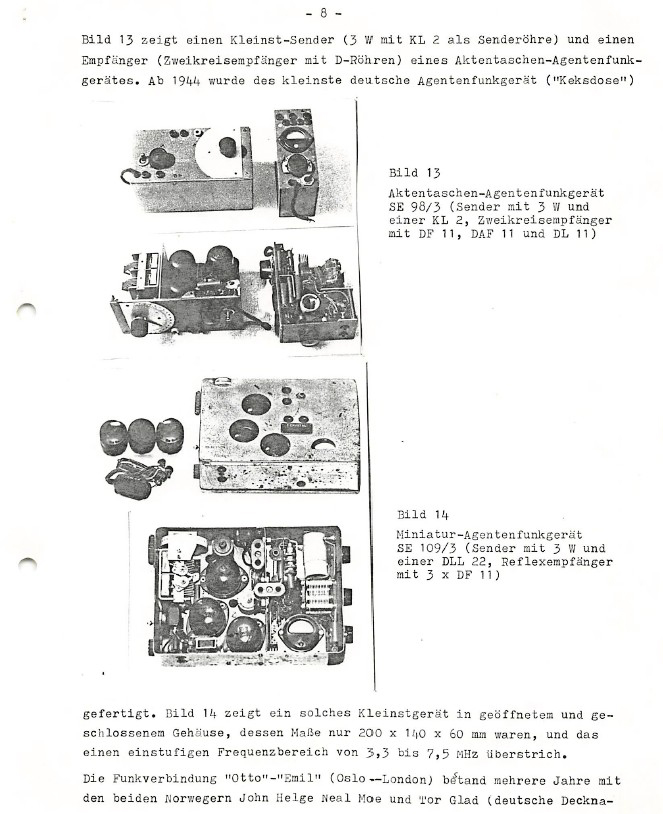
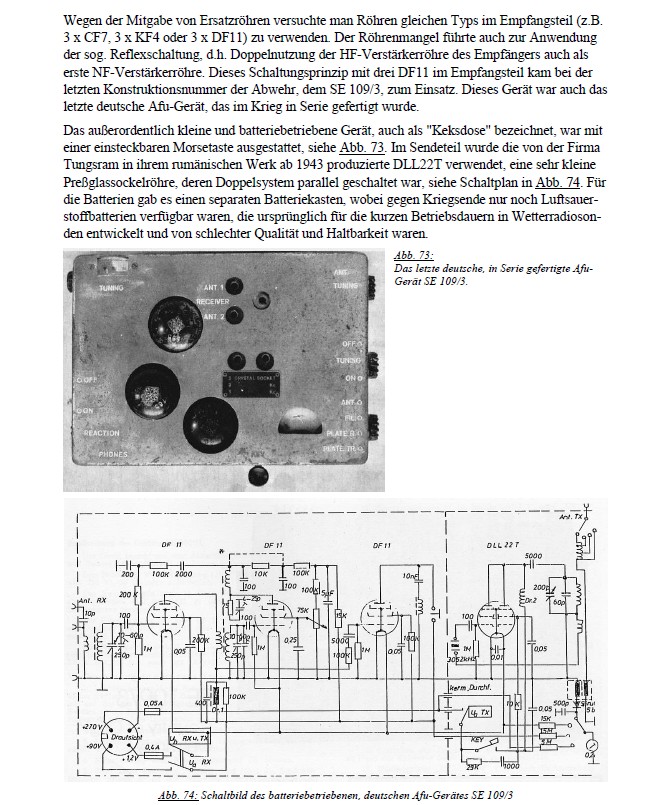
Spy Radio Model SE109/3 (SendeEmpfänger), developed in 1942 by the OKW-Aussenstelle based in Wurzen (Saxony) and produced at Nischwitz Castle (Germany), for use exclusively by spies of the German secret services (Agentenfunkgerat) during the Second World War. The radio, in fact, went into production in 1943 and was used until 1945 by both the Abwehr, the German military espionage service, and by Group VI F and Amt IV E (within Amt IV) of the Reichssicherheitshauptamt, or RHSA (Reich Security Main Office under the control of the SS), as well as by the Fremde Heere Ost (FHO), the military intelligence organization of the Oberkommando des Heeres (Supreme High Command of the German Army).
This radio was so powerful and concealable that it was used postwar, without any modifications, by both the Gehlen Organization (OG) and even the Federal Intelligence Service (BND), as it was capable of transmitting and receiving over distances of over 500 km.
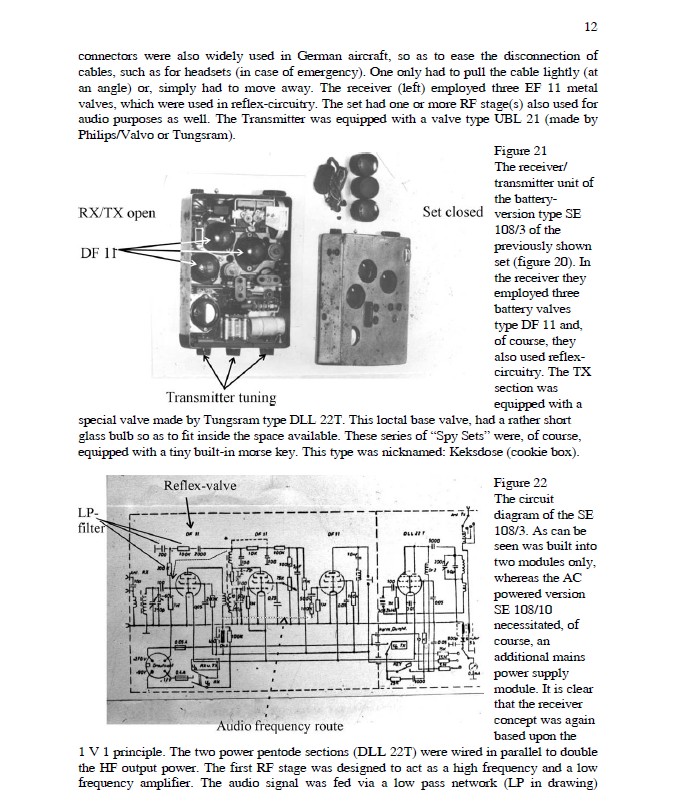
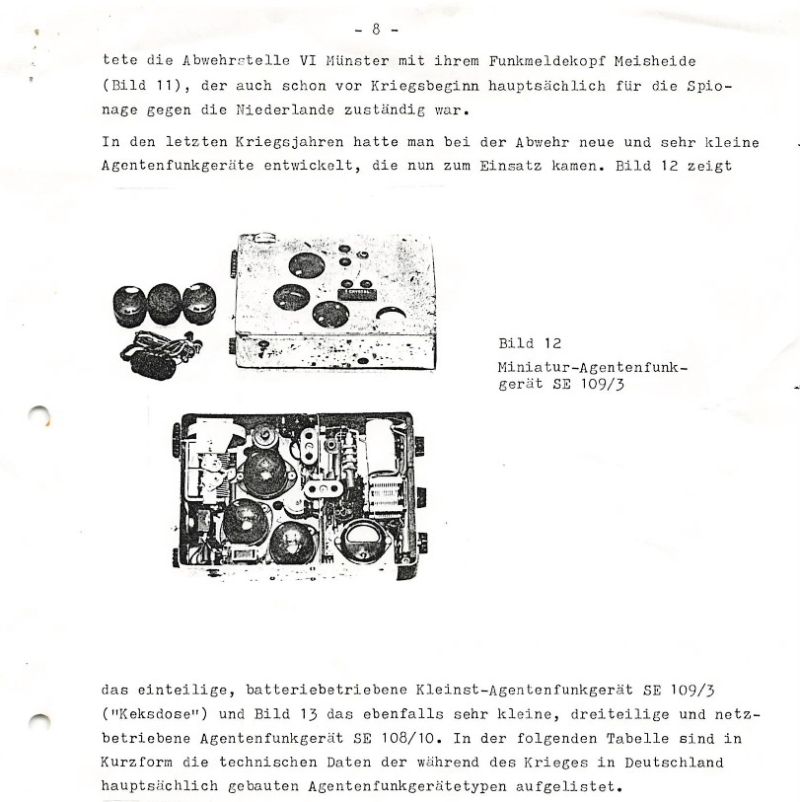
The SE 109/8 spy transceiver radio is extremely compact; it is housed entirely within a medium-sized tin case, much like a biscuit tin of the time, which is why the device was often called the "Keksdose," or biscuit tin.
Furthermore, during the design phase, it was strategically decided to have all the text on the top panel and on the dials in English, both to conceal the device's true German identity and to assist non-German-speaking Abwehr spy operators.
It could transmit messages and information via Morse code using a tiny Morse key, cleverly housed inside the radio itself and inserted into the appropriate external contact if necessary.
Most SE-109/3 spy radios have a 3- or 6-digit serial number. This serial number is somewhat "encrypted," but thanks to Rudolf Staritz, the person responsible for manufacturing the radio's casings during World War II and an Abwehr W/T operator, it was possible to determine how many SE 109/3 Agentenfunkgerat were produced: only 500. To date, no more than 3 are known to survive.
Inside the radio there is a component marked "44," indicating the year of production.
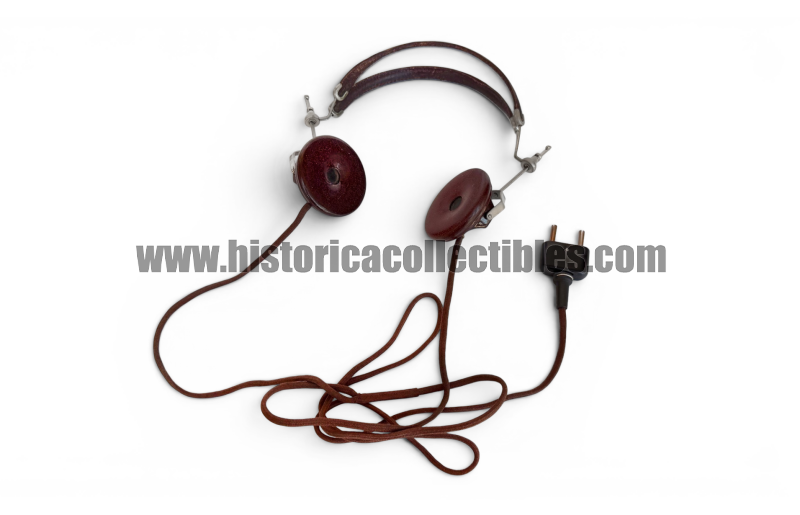
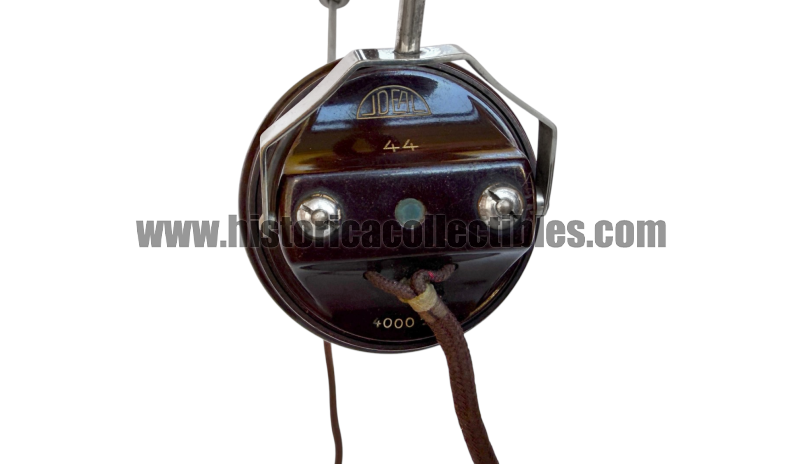
The spy radio was equipped with a 2000 Ω dynamic earphone (also called an Ohrhörer or Kleinhörer) or special high-impedance headphones (4000 Ω), as in this example: the two earphones, both marked "44," were separable so that one ear could be listening to the radio and the other to the surrounding environment, depending on the user's needs. Both versions, headphones or a single earphone, were manufactured by "Ideal," which likely had a supply contract with the dealer K. Rosinski of Berlin.
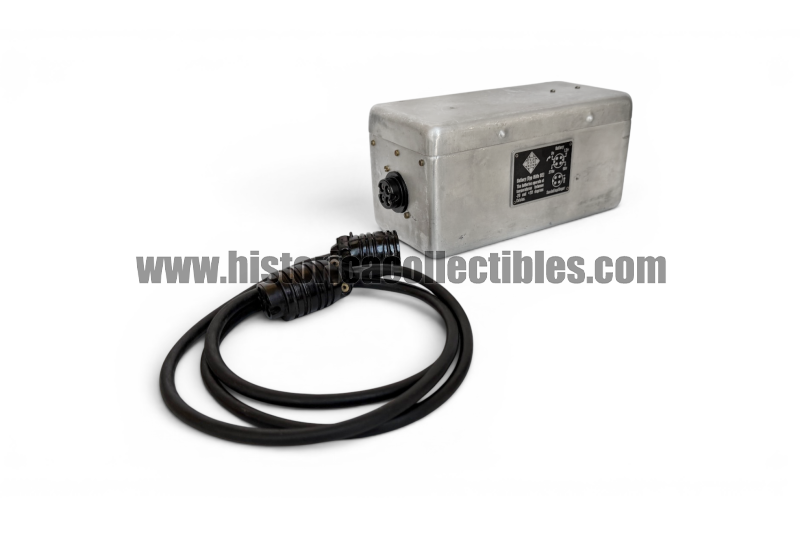
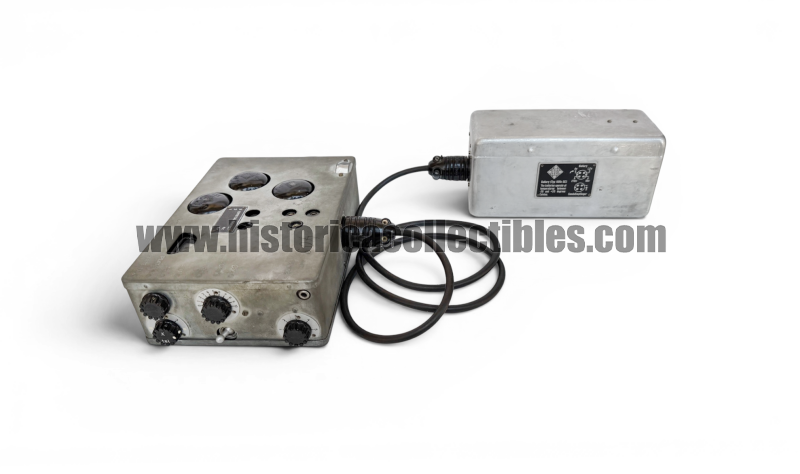
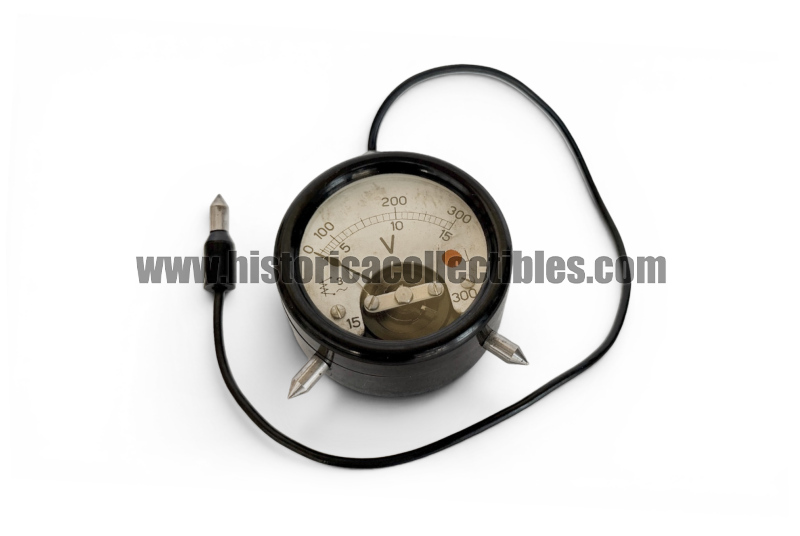
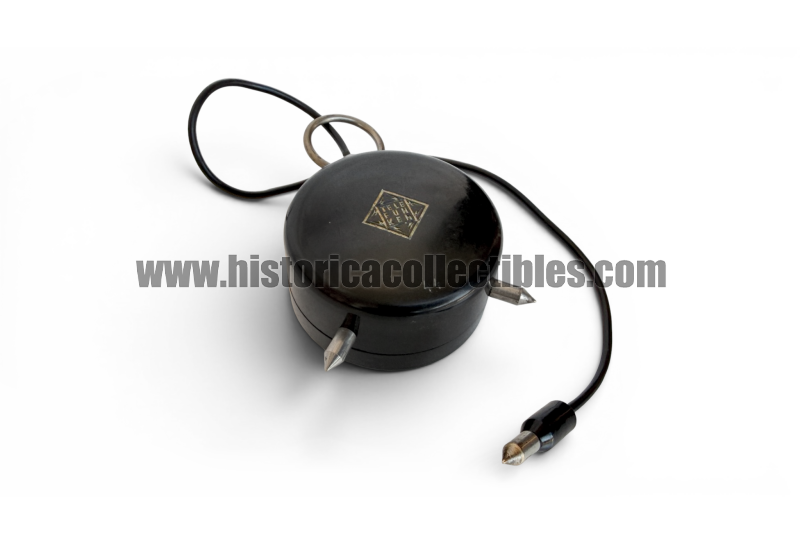
Its original "Battery Container," manufactured by Telefunken and designated "Typ Hilfs SE" (probably auxiliary or emergency), is present, complete with all internal connections and simplification labels. It could be connected directly to the SE109/3 SendeEmpfänger (Spy Radio) thanks to the fact that the two connectors were arranged at the same height, or via the original extension cable, also included.
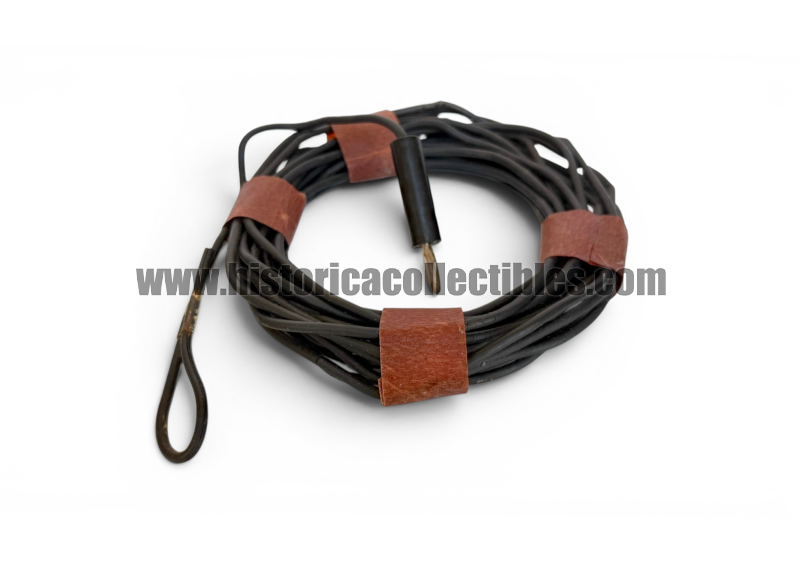
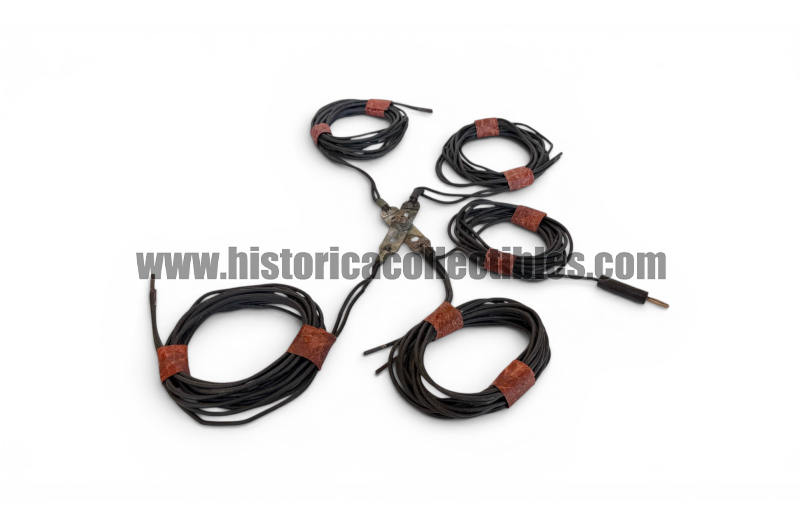
Also present, believed to be the only surviving examples, are its original antenna, approximately a few meters long, and the essential "antenna counterweight," both of which were connected directly to the SE109/3 Spy Radio.
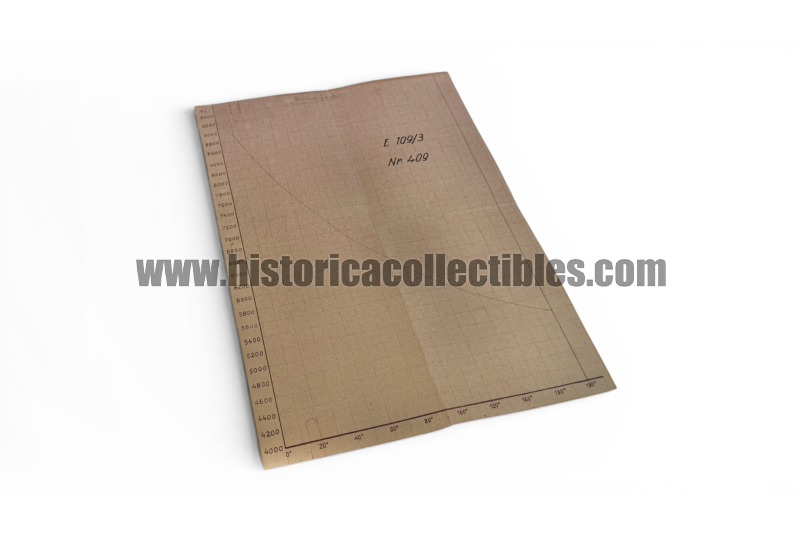
An original 5850 kHz "crystal" is present, which falls perfectly within the range established in the original and rare "frequency diagram" (presented here) for which this radio operated. In fact, every radio was calibrated to operate within a specific frequency range. This exact model received and operated in the frequency range between 4950 and 8850 kHz.
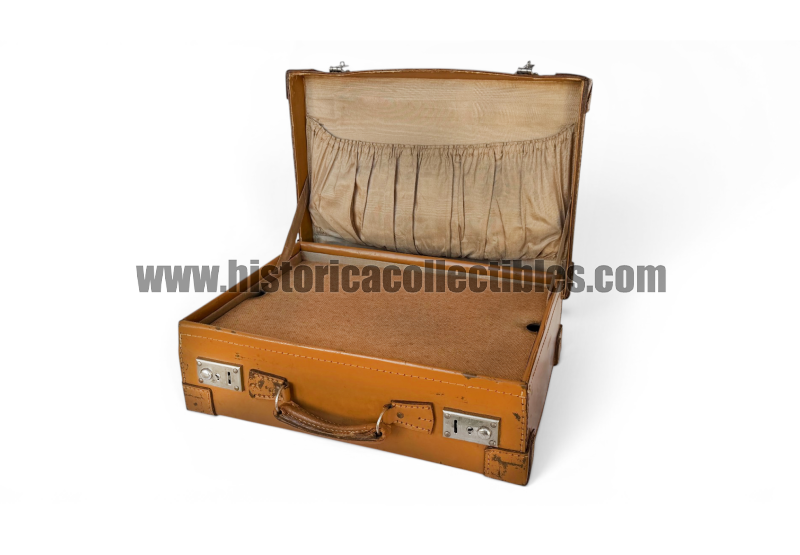
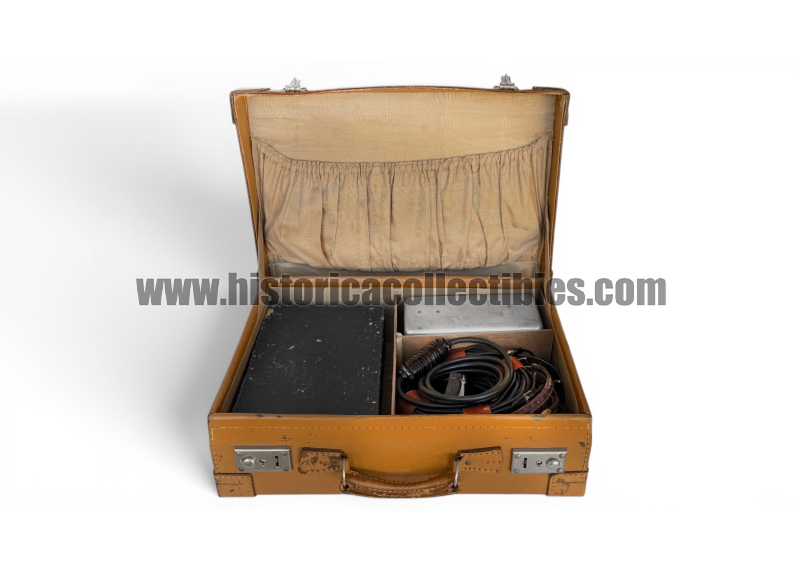
The entire package is housed in an extraordinary leather suitcase, with an iron frame and compartmentalized structure, designed to allow spies to transport its contents without arousing suspicion. Inside, there was also a removable shelf that, acting as an additional concealment system, allowed clothing or other personal effects to be placed on top, thus concealing the contents of the suitcase in the event of a cursory and superficial search.
What makes it even more fascinating is its history: this model was produced in 1944 when the Abwehr was disbanded and its men and equipment were incorporated into Amt VI of the Reichssicherheitshauptamt (RSHA), the Reich Security Main Office under the control of the SS.
One of the most sophisticated technological examples, involving clandestine radio transmission and reception, developed by Nazi Germany during World War II.
References:
https://www.cryptomuseum.com/spy/se109_3/index.htm
Rudolf F. Staritz - "Abwehrfunk - Funkabwehr: Technik und Verfahren der Spionagefunkdienste": (https://www.cryptomuseum.com/intel/abwehr/files/st...).
"Der Geheime Funkmeldedienst der deutschen Abwehr in Norwegen": Also published in Hallo Hallo (Norway). Bamberg, 1988 (https://www.cryptomuseum.com/people/staritz/files/...).
"Das Funknetz der deutschen Abwehr" - Early publication. Undated (https://www.cryptomuseum.com/people/staritz/files/...).
Original Instructions Spy Radio SE 109/3: (https://www.cryptomuseum.com/spy/se109_3/files/se1...)
Reproduction of the Original Instructions Spy Radio SE 109/3: (https://www.cryptomuseum.com/spy/se109_3/files/se1...)
https://it.wikipedia.org/wiki/Reichssicherheitshau...
Deutsches Spionagemuseum / German Spy Museum (Berlin): (https://de.wikipedia.org/wiki/SE_109/3)
Algemene Inlichtingen- en Veiligheidsdienst - Ministerie van binnenlandse zaken en koninkrijksrelaties: (https://www.aivd.nl/onderwerpen/algemene-inlichtin...)
Militärhistorischen Museum Dresden: (https://funkamateure-dresden-ov-s06.de/besuch-im-m...)
Vojenský historický ústav Praha: (https://vhu.cz/en/exhibit/08-nemecka-agenturni-rad...)